U.S. Military Withdrawal from Afghanistan - August 30, 2021
2021 · Kabul, Afghanistan
The United States completed its military withdrawal from Afghanistan, ending its 20-year presence in the country following the Taliban's rapid takeover.
May 15, 2004
Armed forces of the United States launched Operation Mountain Storm in Afghanistan, aimed at eliminating Taliban and Al-Qaeda forces in the region.
Khost, Afghanistan | United States Armed Forces
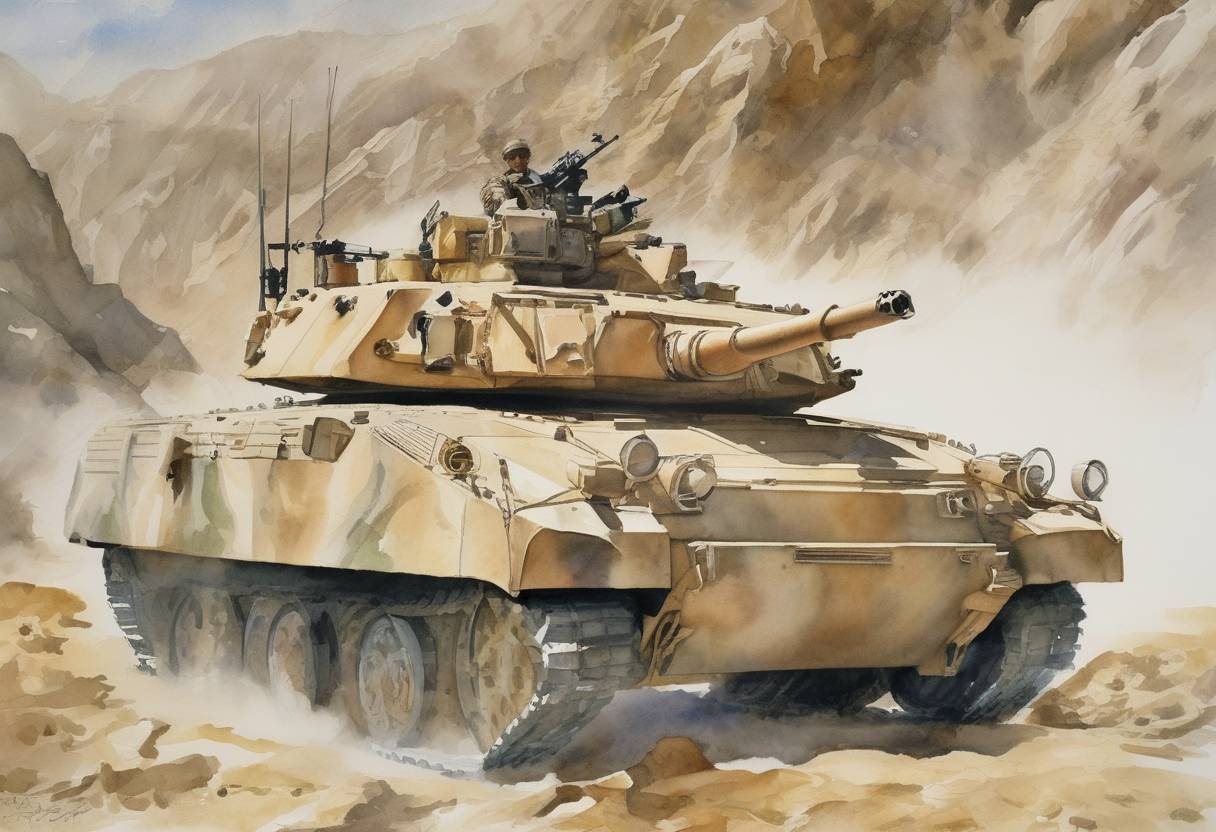
On May 15, 2004, the United States Armed Forces launched Operation Mountain Storm in Afghanistan. This military operation was part of the broader effort to dismantle Taliban and Al-Qaeda forces that had taken refuge in the rugged terrain of Afghanistan following the initial invasion in 2001. The operation was a significant component of the ongoing War on Terror, which aimed to prevent future terrorist attacks by targeting and eliminating terrorist networks.
Post-9⁄11 Strategy: Following the September 11, 2001 attacks, the United States, with support from international allies, initiated military operations in Afghanistan to dismantle Al-Qaeda and remove the Taliban from power. The Taliban had provided sanctuary to Al-Qaeda, allowing them to plan and execute the attacks on the United States.
Operation Enduring Freedom: Launched in October 2001, this operation marked the beginning of the U.S. military’s involvement in Afghanistan. It successfully toppled the Taliban regime but left a power vacuum that insurgent groups sought to exploit.
Persistent Insurgency: Despite initial successes, Taliban and Al-Qaeda forces regrouped in remote areas, particularly along the Afghanistan-Pakistan border. These regions provided a challenging environment for military operations due to their difficult terrain and the presence of sympathetic local populations.
Targeting Insurgent Strongholds: The primary goal was to disrupt and dismantle Taliban and Al-Qaeda networks entrenched in the mountainous regions of Afghanistan, particularly in the eastern and southeastern provinces.
Securing the Region: By targeting these strongholds, the operation aimed to stabilize the region, thereby reducing the insurgents’ ability to launch attacks against Afghan and coalition forces.
Intelligence Gathering: The operation also focused on gathering intelligence to better understand the structure and operations of insurgent groups, which would aid in future military and counterterrorism efforts.
Coalition Forces: The operation involved a combination of U.S. and coalition forces, including NATO allies, working in coordination with Afghan military units. This collaboration was crucial for navigating the complex terrain and cultural landscape.
Military Tactics: The operation utilized a combination of air strikes, ground assaults, and special operations missions to target insurgent hideouts and supply lines.
Challenges: The difficult terrain, coupled with the insurgents’ knowledge of the local environment, posed significant challenges. Additionally, the operation had to be conducted with sensitivity to avoid alienating local populations, whose support was crucial for long-term stability.
Continued Conflict: While Operation Mountain Storm achieved some tactical successes, it did not fully eliminate the insurgent threat. The Taliban and Al-Qaeda continued to adapt, employing guerrilla tactics and leveraging local support.
Long-term Implications: The operation highlighted the complexities of counterinsurgency warfare in Afghanistan, emphasizing the need for a multifaceted approach that combined military action with political and economic strategies.
Legacy: Operation Mountain Storm was part of a series of military efforts that underscored the ongoing challenges faced by coalition forces in Afghanistan. It contributed to the evolving strategies that would continue to shape U.S. and NATO operations in the region for years to come.
In summary, Operation Mountain Storm was a critical effort in the ongoing campaign against insurgent forces in Afghanistan, reflecting both the challenges and the strategic imperatives of the War on Terror.
Source: www.nytimes.com