Decree by Emperor Arcadius on February 15, 399
399 · Constantinople, Eastern Roman Empire
The Roman Emperor Arcadius issues a decree that prohibits pagan worship and sacrifices, furthering the Christianization of the Roman Empire.
February 21, 0362
The Roman Emperor Julian promulgates an edict that recognizes the rights of all religions in the Roman Empire, effectively ending the persecution of Christians and other religious groups.
Constantinople, Roman Empire | Roman Empire
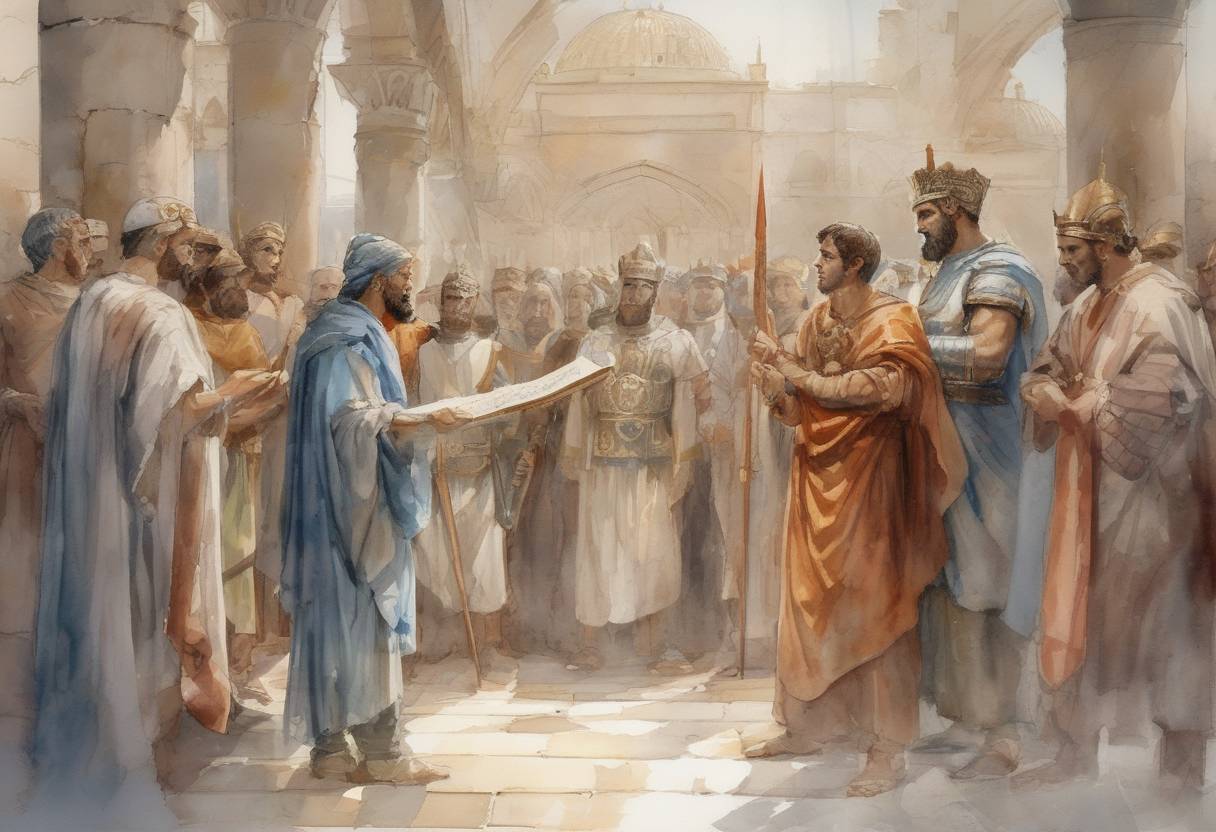
On February 21, 362, Roman Emperor Julian, often referred to as Julian the Apostate, promulgated an edict that recognized the rights of all religions within the Roman Empire. This significant decree marked a pivotal moment in the religious landscape of the empire, effectively ending the persecution of Christians and other religious groups.
Julian ascended to the throne in 361 AD, following the death of his cousin, Emperor Constantius II. Unlike his predecessors, Julian was a staunch advocate of paganism and sought to restore traditional Roman religious practices. Despite his personal beliefs, Julian’s approach to religious policy was notably different from the Christian emperors before him, who had often sanctioned the persecution of pagan practices.
Religious Freedom: The edict granted freedom of worship to all religious groups, including Christians, pagans, Jews, and others. This was a departure from previous policies that favored Christianity and marginalized other faiths.
Restoration of Properties: Religious groups that had lost properties or places of worship during previous persecutions were allowed to reclaim them. This was particularly significant for pagans who had seen their temples and shrines confiscated or destroyed.
Promotion of Religious Pluralism: Julian’s edict encouraged a pluralistic society where multiple religions could coexist. This was in line with his vision of a revitalized paganism that could compete with the growing influence of Christianity.
Short-lived Reforms: Julian’s reign was brief, lasting only until his death in 363 AD during a campaign against the Sassanian Empire. His successor, Jovian, was a Christian who quickly reversed many of Julian’s policies, reinstating Christianity as the favored religion of the empire.
Legacy of Tolerance: Despite the short duration of his reforms, Julian’s edict set a precedent for religious tolerance that would influence future emperors and contribute to the eventual establishment of religious freedom in the Roman Empire.
Impact on Christianity: The edict temporarily alleviated the persecution of Christians, allowing them to practice their faith openly. However, the return to Christian favoritism under subsequent emperors meant that the struggle for religious equality continued.
Julian’s edict is a notable example of early attempts at religious tolerance in a predominantly religiously divided empire. It highlights the complexities of religious policy in ancient Rome and reflects the broader tensions between paganism and Christianity during this period. Julian’s efforts, although ultimately unsuccessful in the long term, underscore the challenges of governing a diverse and multi-religious society.
In conclusion, the edict of February 21, 362, stands as a testament to Julian’s unique approach to governance and his commitment to fostering a more inclusive religious environment, even if only for a brief moment in history.
Source: en.wikipedia.org