Establishment of Moscow University by Tsarina Elizabeth
1755 · Moscow, Russia
Tsarina Elizabeth of Russia establishes the Moscow University, later known as Lomonosov Moscow State University, one of the most prestigious universities in Russia.
August 20, 1882
Pyotr Ilyich Tchaikovsky's 1812 Overture debuts in Moscow.
Moscow, Russia | Russian Empire
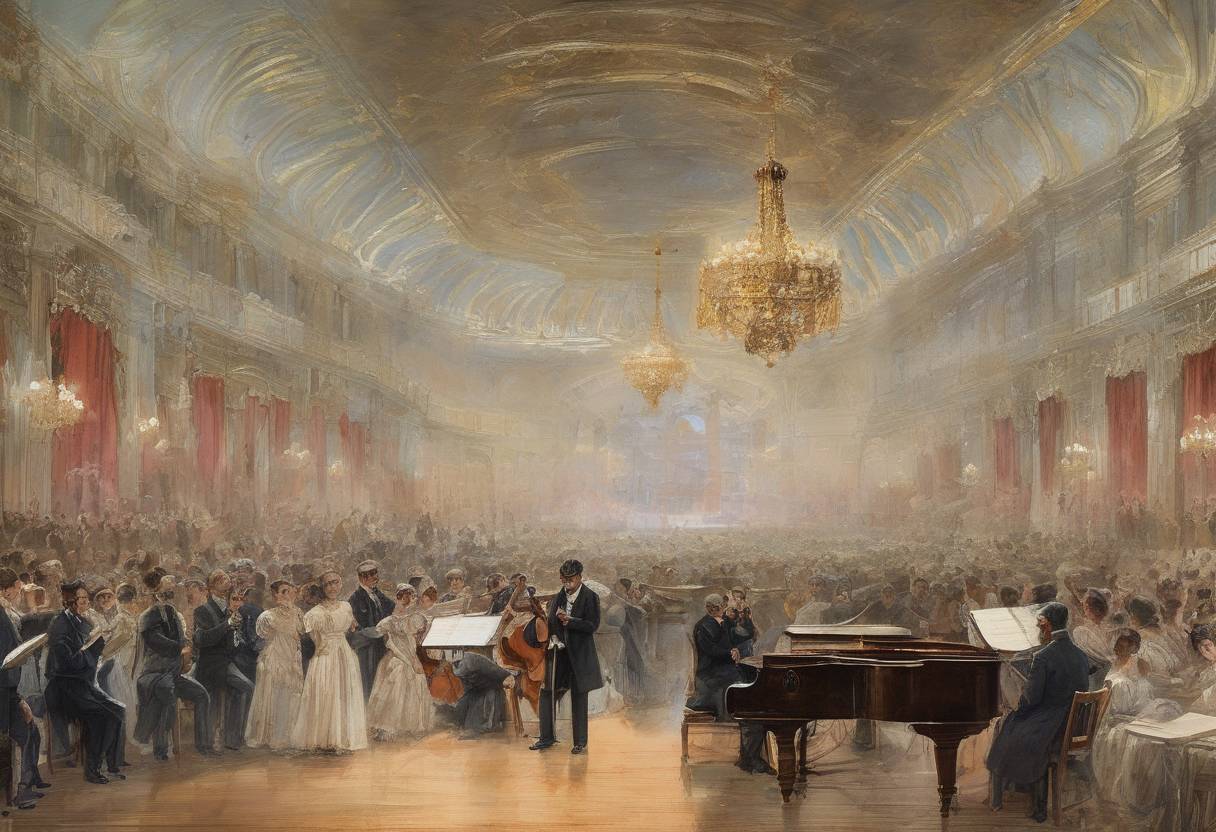
On August 20, 1882, Pyotr Ilyich Tchaikovsky’s “1812 Overture” made its grand debut in Moscow. This event marked a significant moment in both Tchaikovsky’s career and Russian cultural history.
The “1812 Overture” was composed by Tchaikovsky in 1880 to commemorate Russia’s defense against Napoleon’s Grande Armée in 1812. The piece was commissioned to celebrate the completion of the Cathedral of Christ the Saviour in Moscow, which was built to honor Russia’s victory over Napoleon.
The overture is renowned for its use of cannon fire, chimes, and brass fanfares, which vividly depict the battle scenes and the eventual Russian triumph. It incorporates traditional Russian folk songs and the national anthem, “God Save the Tsar,” contrasting with the French national anthem, “La Marseillaise,” to symbolize the conflict between the two nations.
The debut performance took place at the Moscow Arts and Industry Exhibition, a significant cultural event showcasing Russian achievements in various fields. The performance was held in an open-air setting, which was fitting for the grandeur and explosive nature of the composition.
The “1812 Overture” has since become a staple in concert repertoires worldwide, often performed at patriotic events and celebrations. Its popularity extends beyond Russia, frequently featured in international performances, particularly during Independence Day celebrations in the United States.
In summary, the debut of Tchaikovsky’s “1812 Overture” on August 20, 1882, was a landmark event that showcased the composer’s genius and contributed to the rich tapestry of Russian cultural heritage.
Source: en.wikipedia.org