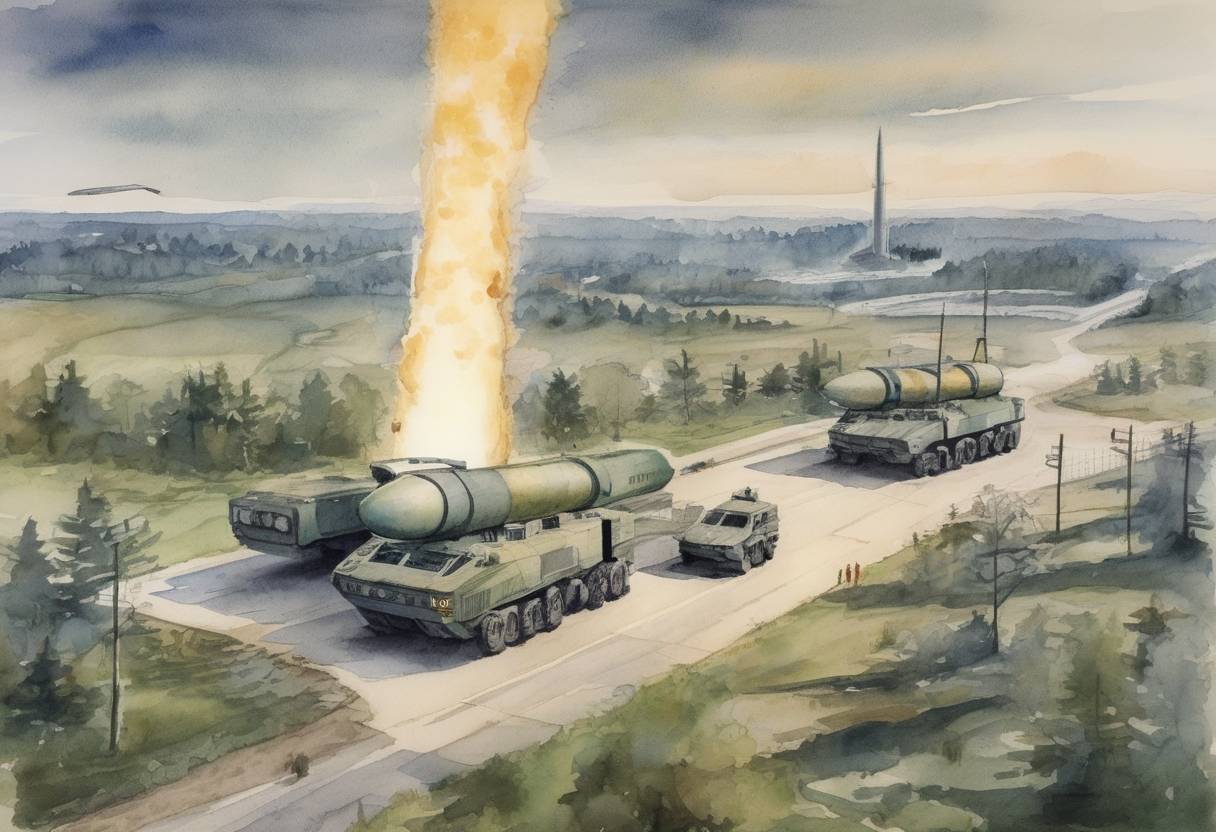
U.S. Withdrawal from the Anti-Ballistic Missile Treaty - June 13, 2002
On June 13, 2002, the United States officially withdrew from the Anti-Ballistic Missile (ABM) Treaty, a pivotal arms control agreement originally signed with the Soviet Union in 1972. This decision marked a significant shift in U.S. defense policy and had substantial implications for international arms control efforts.
Background of the ABM Treaty
The ABM Treaty was signed on May 26, 1972, by U.S. President Richard Nixon and Soviet General Secretary Leonid Brezhnev. The treaty was designed to limit the deployment of missile defense systems that could intercept incoming ballistic missiles. Its primary goal was to maintain the strategic balance of power and deter the escalation of the arms race by ensuring that neither side could effectively defend against a retaliatory nuclear strike.
Key Provisions of the ABM Treaty
- Limitation on ABM Systems: The treaty restricted both the U.S. and the Soviet Union to two ABM deployment areas each, later reduced to one, with no more than 100 interceptors at each site.
- Prohibition of Nationwide Defense: It prohibited the development of a nationwide missile defense system, thereby maintaining the concept of mutually assured destruction (MAD) as a deterrent against nuclear war.
Reasons for U.S. Withdrawal
The decision to withdraw from the ABM Treaty was announced by President George W. Bush on December 13, 2001, and took effect six months later, on June 13, 2002. The Bush administration cited several reasons for this decision:
Emerging Threats: The administration argued that the treaty was outdated and did not address new threats from rogue states and non-state actors that might acquire ballistic missile technology.
Technological Advancements: The U.S. sought to develop and deploy advanced missile defense systems capable of protecting against limited missile attacks, which the treaty restricted.
National Security: The administration emphasized the need to protect the U.S. homeland from potential missile attacks, asserting that the treaty constrained the country’s ability to ensure its security.
Consequences and Reactions
International Response: The withdrawal was met with mixed reactions globally. Russia expressed concern, viewing the move as a threat to strategic stability. Some U.S. allies were apprehensive about the potential for a new arms race.
Impact on Arms Control: The withdrawal raised questions about the future of arms control agreements and the potential for increased nuclear proliferation.
Development of Missile Defense: Following the withdrawal, the U.S. accelerated the development and deployment of missile defense systems, including the Ground-based Midcourse Defense (GMD) system.
Broader Historical Significance
The U.S. withdrawal from the ABM Treaty underscored a shift in American defense policy towards prioritizing missile defense capabilities. It reflected broader changes in the geopolitical landscape following the end of the Cold War and the emergence of new security challenges. The decision also highlighted ongoing debates about the balance between arms control and national defense in the post-Cold War era.
In summary, the U.S. withdrawal from the ABM Treaty on June 13, 2002, was a landmark event that reshaped international arms control dynamics and reflected evolving security priorities in the early 21st century.