Michigan's Admission as the 26th State of the United States
1837 · , United States
Michigan was admitted as the 26th state of the United States of America.
December 3, 1818
Illinois was admitted as the 21st state of the United States.
Kaskaskia, United States | United States Congress
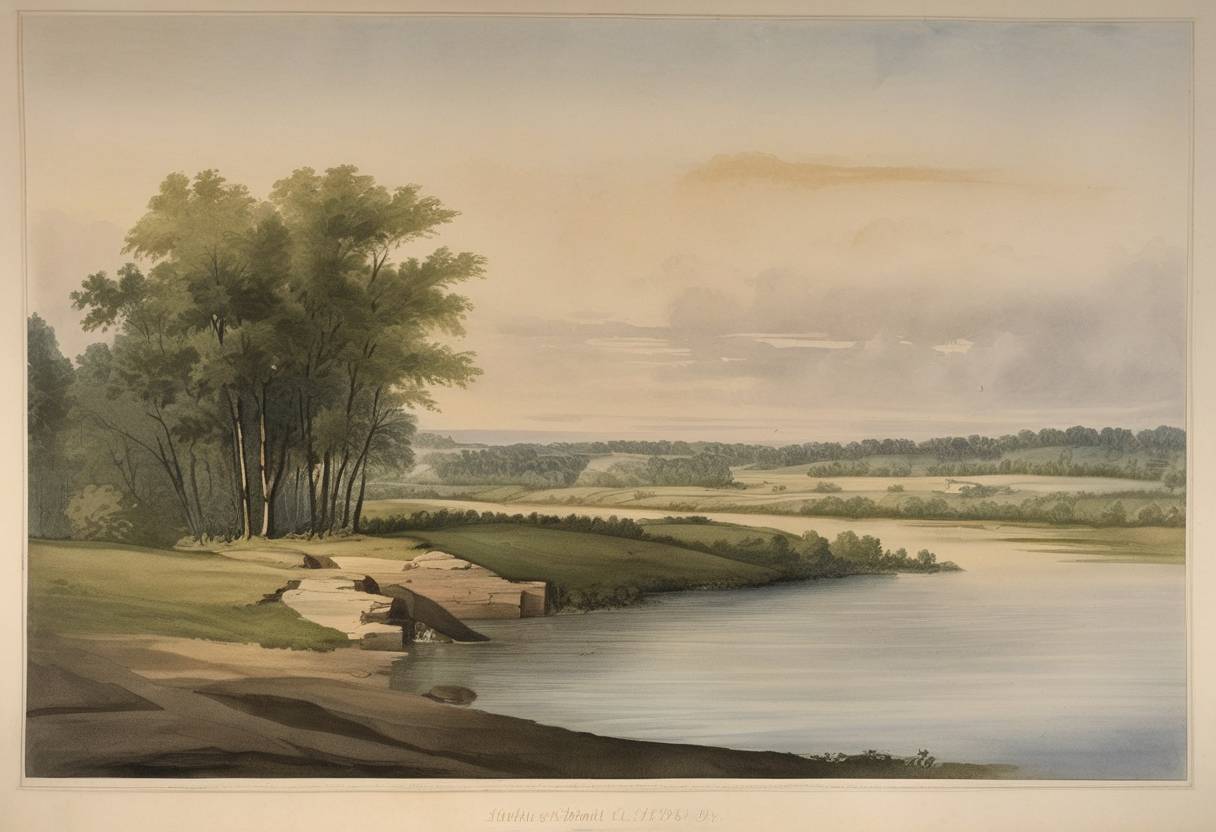
On December 3, 1818, Illinois was officially admitted as the 21st state of the United States. This event marked a significant expansion of the United States as the nation continued to grow westward after the American Revolution.
Illinois’ journey to statehood began with the Land Ordinance of 1785 and the Northwest Ordinance of 1787, which set the framework for the creation of states in the territory northwest of the Ohio River. The Illinois Territory was officially organized in 1809, carved out from the larger Indiana Territory, with Kaskaskia as its initial capital.
The push towards statehood gained momentum as the population of the Illinois Territory increased. By 1818, the population had grown sufficiently to meet the threshold for statehood outlined in the Northwest Ordinance. An enabling act was passed by Congress on April 18, 1818, which allowed residents to draft a state constitution.
In August 1818, 33 delegates convened in Kaskaskia to draft the state constitution. The constitution produced was typical of the period, establishing a government divided into executive, legislative, and judicial branches. Importantly, it prohibited slavery, aligning with the principles set forth in the Northwest Ordinance, although it allowed for the existence of “indentured servitude” and was somewhat ambiguous on the control over existing slavery.
Illinois’ admission marked a pivotal moment in the westward expansion of the United States, emphasized by its strategic location bordering the Mississippi River, which was vital for trade and transportation. Economically and socially, the state stood at the crossroads of Northern and Southern United States, with its policies reflecting various regional influences.
The fertile lands of Illinois attracted numerous settlers, fostering a diverse agricultural economy. Over time, cities like Chicago would become crucial industrial and transportation hubs, significantly influencing the nation’s economic landscape.
Following its admission, Illinois rapidly developed infrastructure and transportation systems. The Erie Canal, completed in 1825, alongside Illinois’ own improvements, facilitated increased migration and economic ties with Eastern states. Its growth mirrored the industrialization and modernization trends of 19th-century America.
Thus, Illinois’ admission to the Union represented a crucial step in the continued development and diversification of the United States. The state’s evolution from a sparsely populated frontier to a vital component of the nation’s landscape encapsulates themes of American growth and progress.
Source: www.loc.gov