Condoleezza Rice Sworn in as U.S. Secretary of State
2005 · Washington, D.C., United States
Condoleezza Rice is sworn in as the United States Secretary of State, becoming the first African American woman to hold the position.
October 17, 2021
Colin Powell, the first African American U.S. Secretary of State, passed away due to complications related to COVID-19.
Bethesda, United States | U.S. Department of State
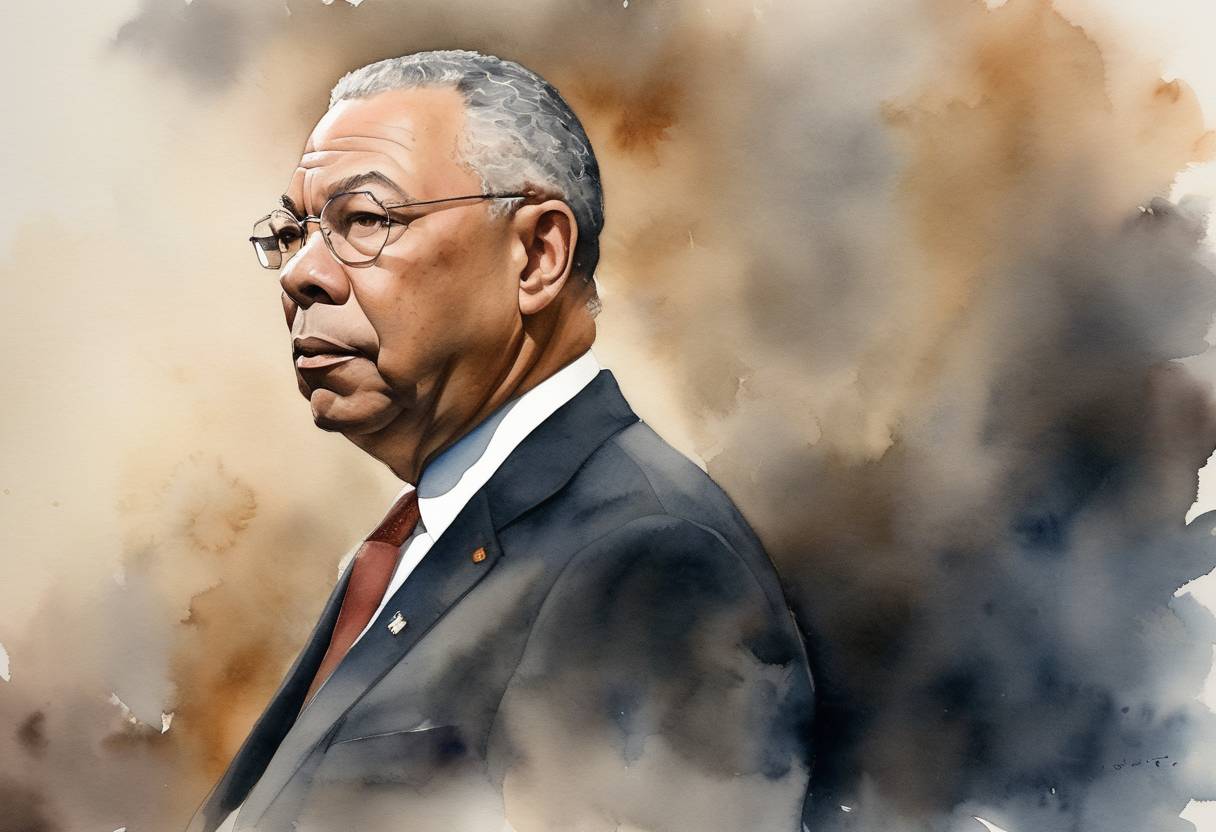
Passing: On October 18, 2021, Colin Powell, the first African American to serve as the U.S. Secretary of State, passed away due to complications related to COVID-19. His death marked the end of a distinguished career in public service and military leadership.
Colin Luther Powell was born on April 5, 1937, in Harlem, New York City, to Jamaican immigrant parents. Raised in the Bronx, Powell attended the City College of New York, where he joined the Reserve Officers’ Training Corps (ROTC), beginning a storied military career. He served two tours in Vietnam and held numerous significant positions, including National Security Advisor from 1987 to 1989, during the Reagan Administration, and Chairman of the Joint Chiefs of Staff from 1989 to 1993 under Presidents George H. W. Bush and Bill Clinton.
In 2001, Powell was appointed the 65th U.S. Secretary of State by President George W. Bush, marking a historic moment as the first African American in this role. His tenure was notably shaped by the events following the September 11 attacks and the subsequent wars in Afghanistan and Iraq. Powell’s 2003 United Nations speech, wherein he presented evidence of Iraq’s alleged possession of weapons of mass destruction, was pivotal in garnering international support for the Iraq War, although the intelligence was later discredited.
Powell’s life and career were imbued with a dedication to public service and a significant impact on U.S. foreign and military policy. His leadership style was characterized by pragmatism and a commitment to diplomacy, earning respect across the political spectrum. Despite controversies, particularly regarding the Iraq War, Powell remained a prominent figure advocating for the responsibility and ethical standards in political leadership.
After retiring from public office, Powell remained active in charitable work and public speaking. He was involved with various educational initiatives and supported youth leadership development, using his stature and experience to mentor and inspire future generations.
Colin Powell’s passing was not only a moment of mourning but also a time to reflect on his substantial contributions to American history and global affairs. His complex and influential career continues to be studied as part of the broader narrative of U.S. leadership in the late 20th and early 21st centuries.
Source: www.nytimes.com