The Opening of the United Nations Headquarters in New York City
1951 · New York City, United States
The United Nations headquarters officially opened in New York City.
September 14, 1948
A groundbreaking ceremony took place for the construction of the United Nations Headquarters in New York City.
New York City, United States | United Nations
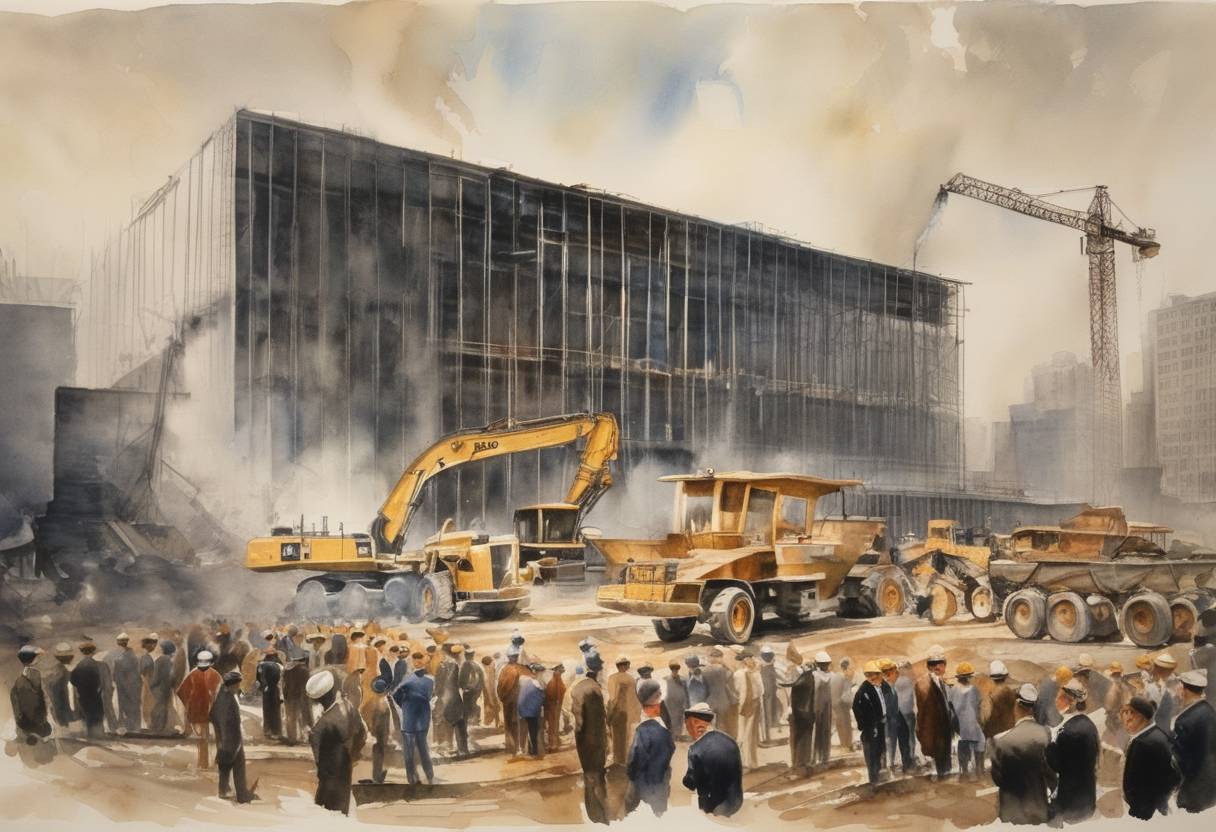
On September 14, 1948, a groundbreaking ceremony was held for the construction of the United Nations Headquarters in New York City. The site was located in the Turtle Bay neighborhood of Manhattan along the East River.
The idea for a dedicated headquarters for the United Nations emerged shortly after its formation in 1945. The organization’s founding aim was to promote international cooperation and peace following the devastation of World War II. New York City was chosen as the home for this international body, in part because of the United States’ emerging role as a leader in global diplomacy.
The groundbreaking ceremony was attended by numerous dignitaries and representatives of member nations. A key figure at the event was Trygve Lie, the first Secretary-General of the United Nations. His leadership was instrumental in overseeing the UN’s early operations and establishing its physical presence in New York.
The site was designed by an international team of architects led by Wallace Harrison. The team included renowned figures such as Le Corbusier from France and Oscar Niemeyer from Brazil. The design aimed to embody the UN’s ideals of unity and modernity, reflected in the sleek and innovative architectural style.
The construction of the United Nations Headquarters was an immense international undertaking. Once completed in 1952, it provided the organization with a dedicated space to facilitate diplomacy, host meetings, and conduct international business. Its presence in New York symbolized the city’s status as a global hub and the United Nations’ role in fostering peace and dialogue on the international stage.
Today, the United Nations Headquarters remains a significant symbol of international cooperation. Its development marked a pivotal moment in the mid-20th century, reflecting both the optimism of the post-war era and the challenges of building a more interconnected world. The headquarters continues to be the venue for critical global discussions and decision-making, supporting the UN’s mission to maintain international peace and security.
Source: www.un.org