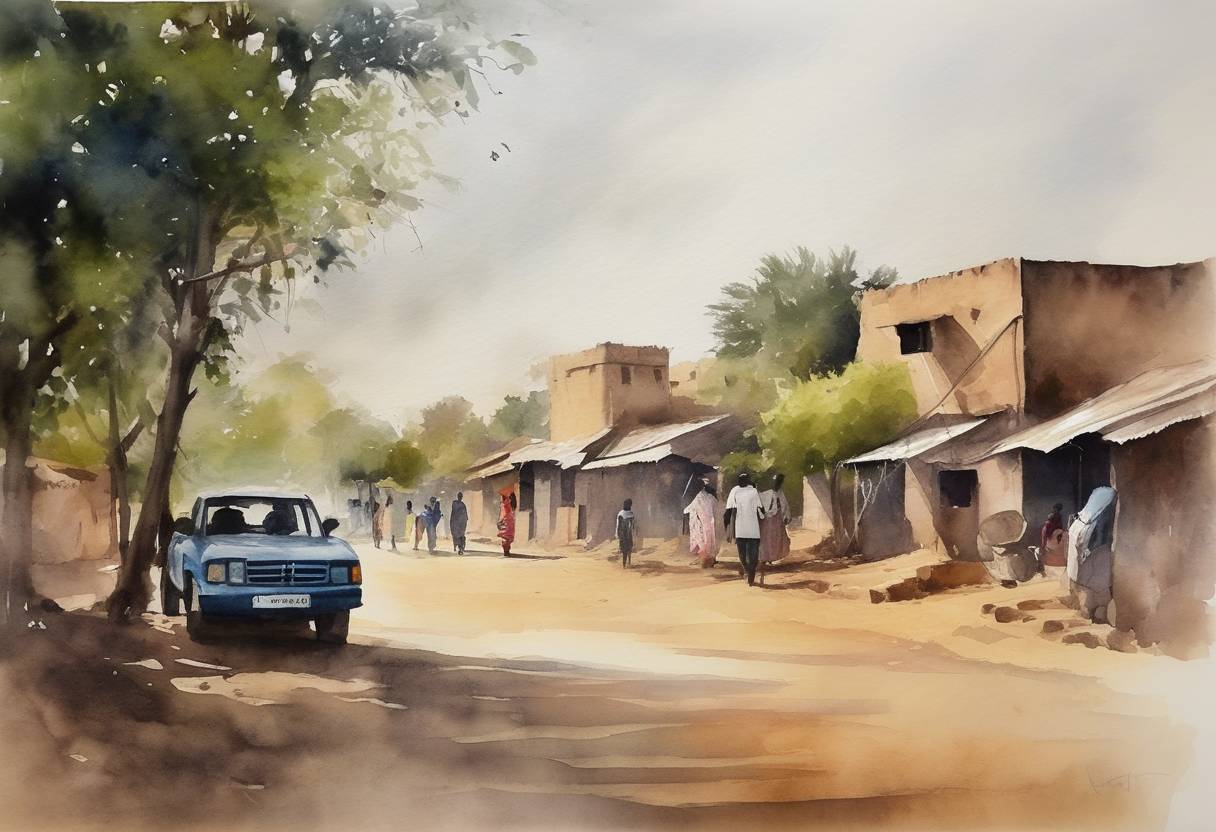
End of the Ebola Virus Outbreak in Mali
On January 14, 2015, the World Health Organization (WHO) officially declared the end of the Ebola virus outbreak in Mali, marking a pivotal moment in the fight against the Ebola epidemic in West Africa. This announcement came after a period of 42 consecutive days during which Mali reported no new infections, thus meeting the WHO criteria for being declared Ebola-free. This period is double the maximum incubation period for the virus, ensuring no hidden transmission chains remained active.
Context and Epidemic Overview
The Ebola outbreak in West Africa, which began in 2014, was the largest and most complex epidemic since the virus was discovered in 1976. The hardest-hit countries included Guinea, Liberia, and Sierra Leone. Mali was one of the later countries to be affected, with its first case identified in October 2014. The outbreak in Mali was relatively smaller compared to its neighbors, involving a total of eight confirmed cases and six deaths.
Response Efforts in Mali
The Mali government, in coordination with international and local partners, implemented a range of measures to control the outbreak:
- Contact Tracing: Health workers and volunteers conducted rigorous contact tracing efforts to identify and monitor those who had contact with infected individuals.
- Isolation and Treatment: Points of entry into the country were closely monitored to identify and isolate any suspected cases promptly.
- Public Awareness Campaigns: Public information campaigns were rolled out to educate the population about preventing the spread of the virus, reducing stigma, and encouraging early reporting of symptoms.
- Healthcare Capacity Building: Training and resources were provided to healthcare workers to safely manage and treat patients.
Broader Impact and Significance
The successful containment of Ebola in Mali was an important step in the broader regional effort in West Africa. It demonstrated the effectiveness of coordinated international health responses and underscored the significance of rapid detection and response strategies in managing infectious disease outbreaks. Mali’s experience highlighted the importance of community engagement and robust public health infrastructure in epidemic control.
Aftermath and Continuing Efforts
Despite the declaration in Mali, efforts continued across the region to ensure the epidemic was controlled in more severely affected countries until Liberia was declared Ebola-free in 2016. The experience gained in managing this outbreak contributed to improved preparedness for future healthcare crises.
The containment of Ebola in Mali, through collaborative efforts and strategic international support, remains an exemplar of effective epidemic response and management within crises, offering vital lessons for future global health challenges.