The Opening of The Metropolitan Museum of Art
1872 · New York City, United States
The Metropolitan Museum of Art opened in New York City.
July 30, 1871
The Staten Island Ferry disaster tragically occurs, when the ferry Westfield's boiler explodes while docked at South Ferry in New York City, leading to significant loss of life.
New York City, United States | Staten Island Ferry
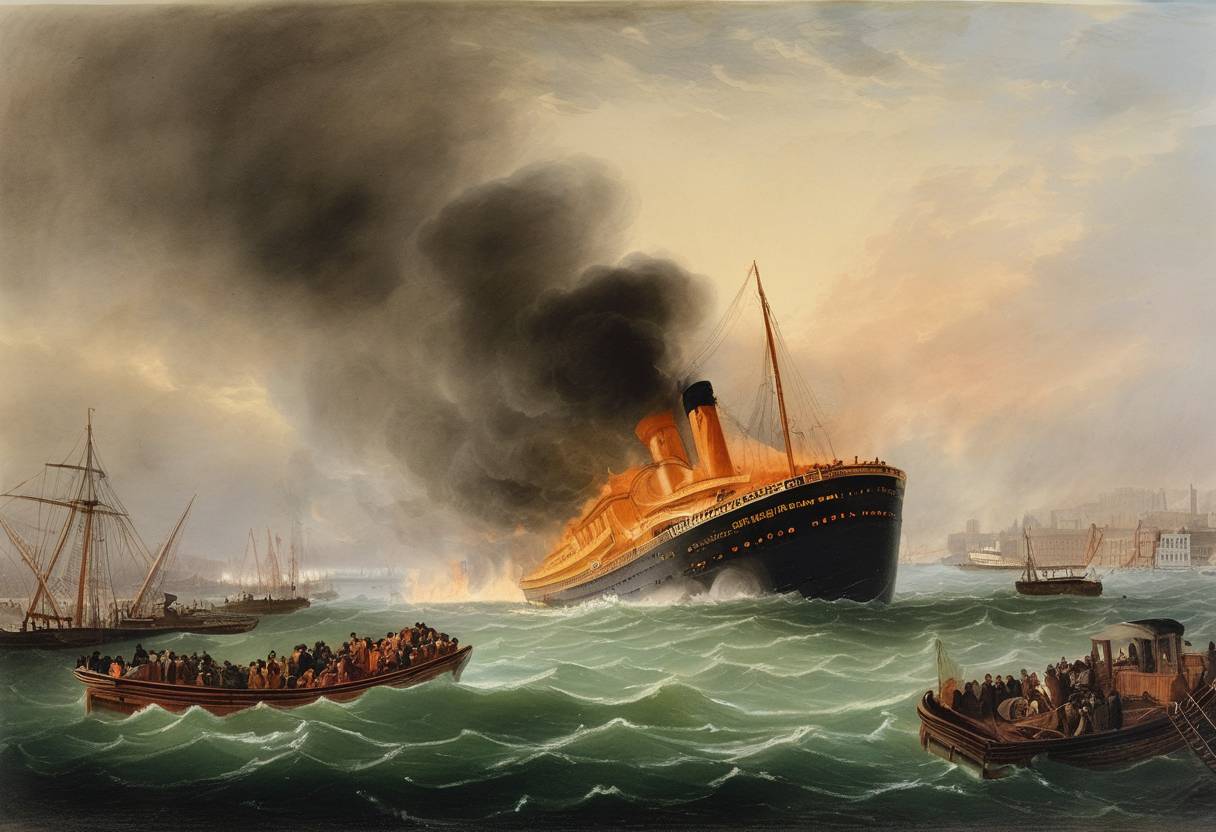
On July 30, 1871, a catastrophic event shook New York City when the boiler of the Staten Island ferryboat, Westfield, exploded while docked at South Ferry in Manhattan. This tragic incident resulted in significant loss of life and marked one of the city’s most devastating transportation disasters of the 19th century.
The Westfield, a popular vessel operating between Staten Island and Manhattan, was preparing to embark on its routine trip across the New York Harbor. Shortly before departure, the ferry was crowded with commuters and travelers, eager to cross the bustling waters connecting the island borough to the city. At around 1:30 PM, as passengers were boarding, the boiler of the Westfield suddenly exploded.
The explosion was powerful and deadly, tearing through the vessel with incredible force. Debris flew across the vicinity, causing injuries to passengers and bystanders on the dock. The blast resulted in a partial destruction of the vessel, and many passengers were thrown into the river.
The aftermath of the explosion was dire. Approximately 85 people lost their lives, and over 100 were injured in the disaster. The immediate chaos tested the emergency response of the city’s maritime services and the community. Rescue efforts were mounted swiftly by other nearby boats and bystanders, who rushed to aid those in the water. Many passengers struggled to stay afloat until help arrived, and the injured were quickly transported to local hospitals.
In the wake of the disaster, an investigation was launched to determine the cause of the boiler explosion. It was revealed that mechanical failure and inadequate safety practices contributed to the tragedy. The explosion highlighted the insufficient regulatory oversight of ferry operations and called attention to the need for more stringent safety standards.
The event prompted public outcry and led to reforms in both ferry operation safety protocols and inspection regulations. These changes were instrumental in improving maritime safety standards, helping prevent future incidents of a similar nature.
The Westfield disaster is remembered as a pivotal moment in the history of New York City’s transportation system. It underscored the inherent dangers of steam-powered travel during the era and catalyzed essential safety improvements. The tragedy remains a somber reminder of the need for ongoing vigilance in transportation safety.
The incident’s legacy influenced public policy and helped shape the modern regulatory landscape, ensuring safer travel for millions of commuters who rely on the essential services of the Staten Island Ferry today.
Source: www.nycgo.com