Declaration of Martial Law in the Philippines: September 21, 1972
1972 · Manila, Philippines
Philippine President Ferdinand Marcos signs Proclamation No. 1081, placing the entire country under martial law.
May 8, 2022
Marcos Jr., the son of former Philippine dictator Ferdinand Marcos, secures a landslide victory in the Philippines presidential elections, marking a significant political shift in the country.
Manila, Philippines | Government of the Philippines
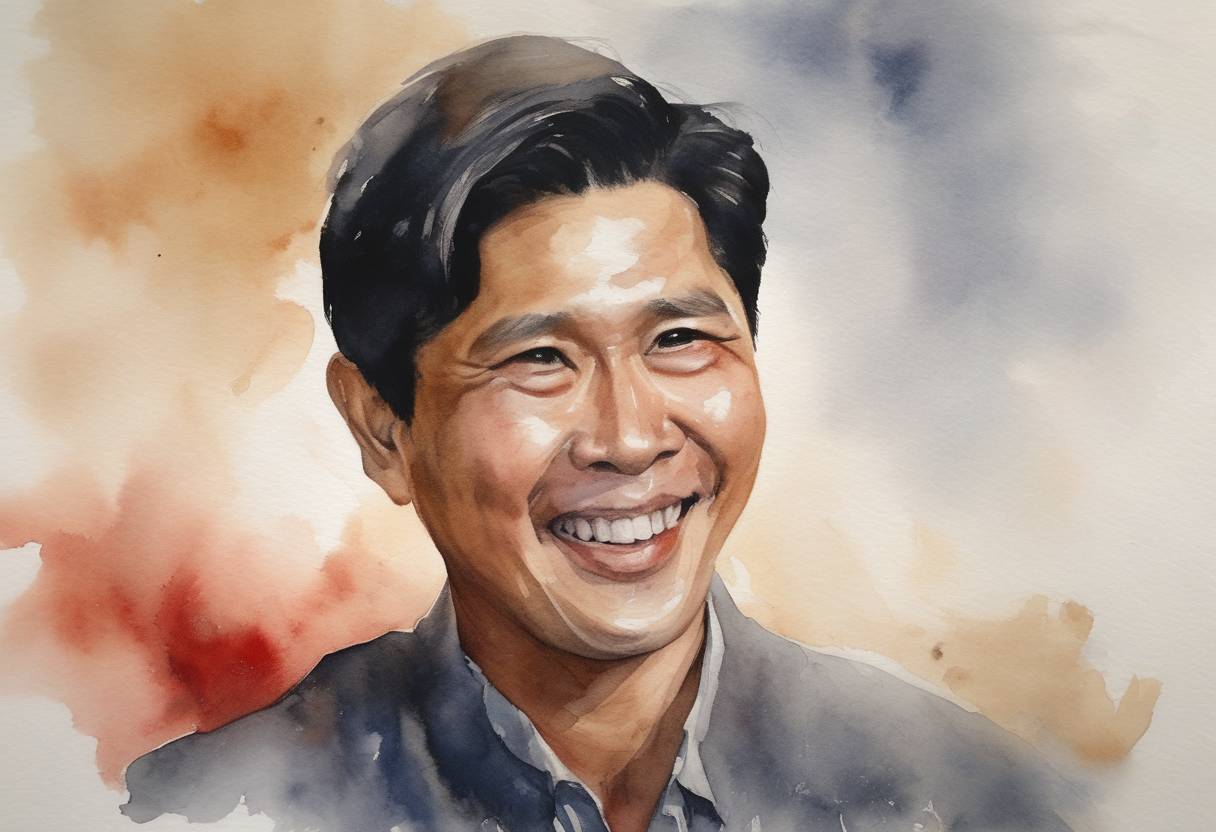
On May 8, 2022, Ferdinand “Bongbong” Marcos Jr., the son of former Philippine dictator Ferdinand Marcos, secured a substantial victory in the Philippines’ presidential elections. This election marked a significant political shift in the country as it signified a return to power for the Marcos family, more than three decades after they were ousted due to a popular uprising.
Ferdinand Marcos Sr. led the Philippines from 1965 until 1986, when he was removed from office during the People Power Revolution, largely due to human rights abuses and allegations of massive corruption. The return of his family to a prominent role in the political landscape marks a notable change in Filipino politics, where memory of the martial law era has been both contentious and enduring.
Marcos Jr.’s campaign focused heavily on a call for unity and healing in the country. He ran on a platform that eschewed detailed policy proposals in favor of a message that promised to bring the nation together after the divisive rule of his predecessors. His campaign effectively leveraged social media and nostalgia to bolster his image and connect with younger voters.
Additionally, the alliance with Sara Duterte-Carpio, daughter of outgoing President Rodrigo Duterte, was a strategic move that combined their bases of support and consolidated influence across key regions in the Philippines.
Marcos Jr. won in a landslide, capturing over 30 million votes, which constituted more than 50% of the total votes cast. His victory represented one of the widest winning margins in recent Philippine history, signaling strong support across various demographics and regions.
The return of the Marcos family to power is emblematic of the shifting political dynamics in the Philippines, where historical narratives and family legacies intertwine with contemporary political aspirations. Bongbong Marcos’s presidency is expected to navigate complex issues such as poverty, corruption, and international relations. His leadership style and policies are being closely monitored, both domestically and internationally, to assess the direction of the Philippine democracy and governance under his administration.
This event underscores the complex interplay of memory, media, and political legacy in shaping electoral outcomes and offers a lens into the evolving nature of Southeast Asian politics.
Source: www.bbc.com