The Bataan Death March: April 9, 1942
1942 · Bataan, Philippines
The Bataan Death March began, as Japanese forces forced American and Filipino prisoners of war to march approximately 65 miles under brutal conditions.
January 7, 1942
The Siege of Bataan begins during World War II.
Bataan, Philippines | Japanese Imperial Army, United States Armed Forces, Philippine Army
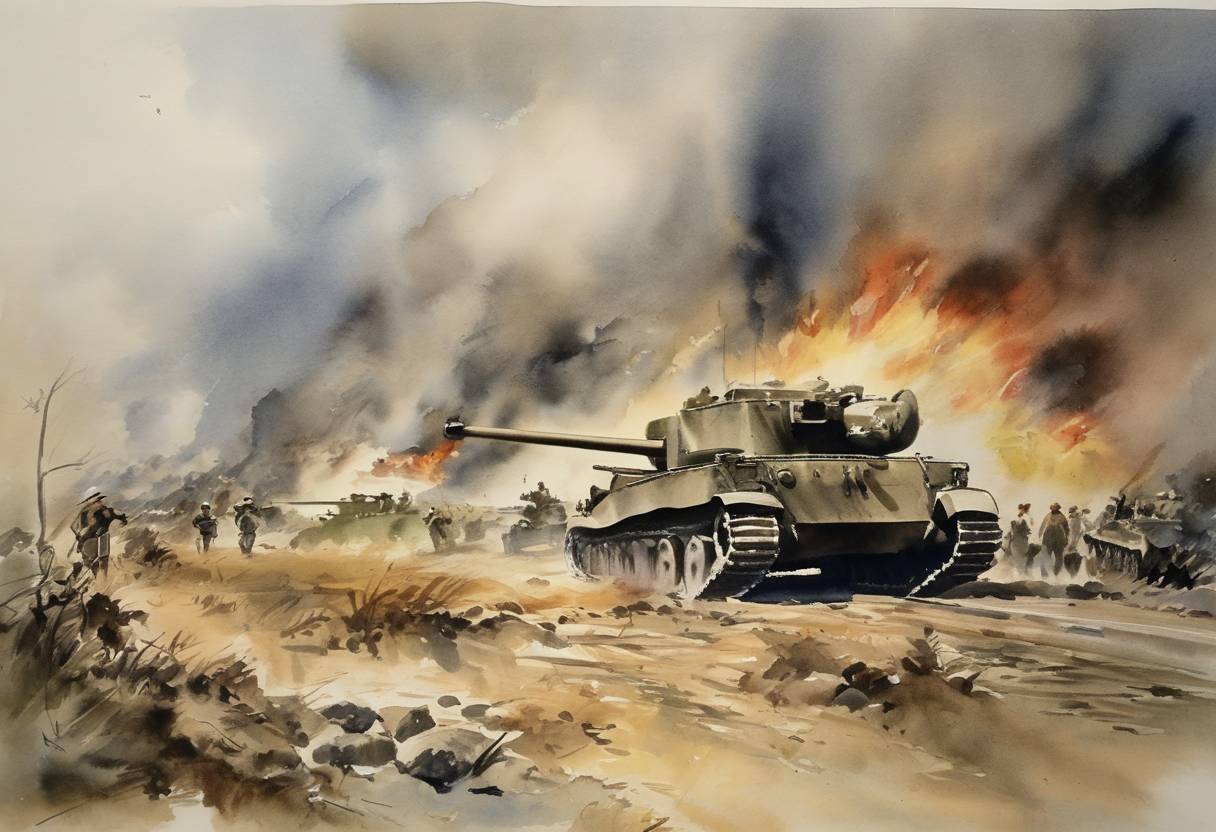
The Siege of Bataan commenced on January 7, 1942, during World War II, as part of the Japanese campaign in the Pacific. Following Japan’s successful invasion of the Philippines, the retreating American and Filipino forces, commanded by General Douglas MacArthur, made a strategic withdrawal to Bataan, a peninsula on the island of Luzon.
The Philippines, under the control of the United States, became a primary target after Japan’s attack on Pearl Harbor on December 7, 1941. Japanese forces landed in Luzon on December 22, 1941, with the aim of quickly capturing the archipelago. Facing overwhelming Japanese strength, American and Filipino forces pulled back under War Plan Orange-3 to reinforce and defend the Bataan Peninsula and the fortified island of Corregidor, with the hope of holding out for reinforcements that never came.
The Bataan Peninsula was crucial for control of Manila Bay and served as the last organized resistance against the Japanese in the Philippines. Despite being outnumbered and suffering from inadequate supplies, the defenders aimed to delay the Japanese advance for as long as possible.
The siege played a critical role in the Pacific Theater, with the defenders delaying Japanese forces for several months despite overwhelming odds. This delay contributed to disrupting Japanese timetables for further territorial expansion in the Pacific region. However, the lack of reinforcements and adequate supplies led to worsening conditions for the defenders, eventually resulting in the fall of Bataan on April 9, 1942, leading to the infamous Bataan Death March.
The fall of Bataan marked a significant point in the early stages of the Pacific War, signaling the temporary withdrawal of American influence from the region. Nevertheless, the courage and determination of the Bataan defenders inspired the Allied forces and contributed to the resolve necessary for future operations that would eventually lead to Japan’s defeat in the wider war context.
Source: en.wikipedia.org