Oklahoma Becomes the 46th State of the United States
1907 · Guthrie, United States
Oklahoma becomes the 46th state of the United States.
May 2, 1890
The Oklahoma Territory was officially organized as a territory of the United States. This followed the Land Run of 1889, which opened up what was formerly Indian Territory to non-Native American settlement, and set the stage for Oklahoma's statehood in 1907.
Oklahoma City, United States | United States Congress
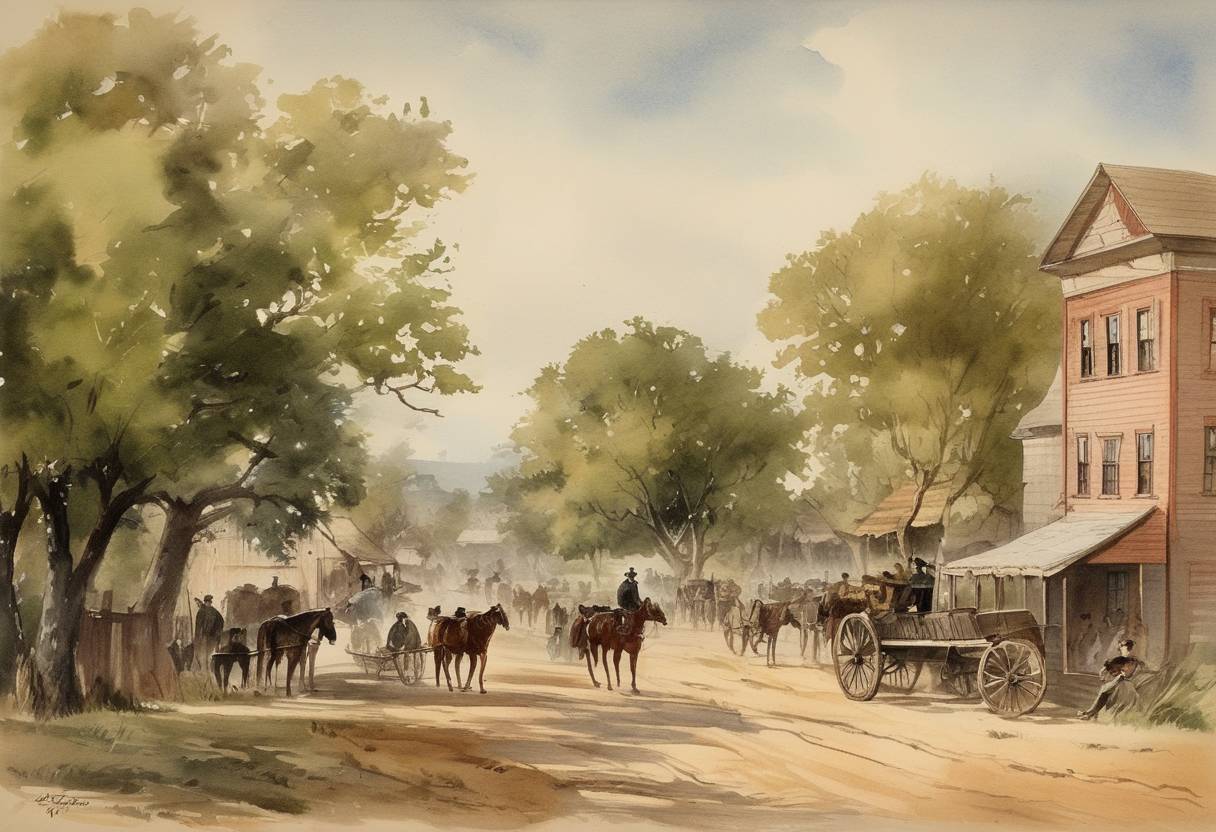
On May 2, 1890, the Oklahoma Territory was officially organized as a territory of the United States. This significant event followed the Land Run of 1889, a monumental occasion during which approximately 50,000 settlers raced to claim land in what was previously designated as Indian Territory.
Prior to its organization as a U.S. territory, the area largely functioned as Indian Territory. This region had been allocated to Native American tribes who were forcibly relocated from their ancestral lands under policies such as the Indian Removal Act of 1830. The original intent was to provide a permanent and unique homeland for Native Americans displaced from the southeastern United States.
However, under growing pressure from settlers and the ambitions of manifest destiny, the U.S. government sought to open these lands to non-Native settlement. This led to the use of various treaties and acts that gradually diminished Native American control over the lands, culminating in the opening of the “unassigned lands.”
The first significant wave of non-Native settlement occurred during the Land Run of April 22, 1889. Known as one of the most chaotic land rushes in history, prospective settlers lined up at the borders of the designated area. At the signal, they rushed in to stake their claims on parcels of land ranging from 160 acres, hoping to start anew in the promising expanses of Oklahoma.
Following this initial settlement, the U.S. Congress passed the Oklahoma Organic Act on May 2, 1890. The act formally established the Oklahoma Territory, which encompassed the western half of the present-day state of Oklahoma. This act also extended U.S. laws over the territory and outlined the creation of counties and the establishment of a territorial government.
The organization of the Oklahoma Territory was a crucial step towards Oklahoma’s future. The period following 1890 saw rapid economic development and an influx of settlers, which continued to amplify the demand for statehood. Eventually, these aspirations were realized when Oklahoma was admitted as the 46th state of the Union on November 16, 1907.
The organization of the Oklahoma Territory marked a transformative period in U.S. history, symbolizing both the opportunities and injustices of westward expansion. It underscored the tensions between settler ambitions and Native American rights, dynamics that have had lasting impacts on the socio-political landscape of the region.
Source: en.wikipedia.org