Indonesia AirAsia Flight 8501 Crash
2014 · Java Sea, Indonesia
Indonesia AirAsia Flight 8501 crashed into the Java Sea en route from Surabaya, Indonesia, to Singapore, killing all 162 people on board.
October 29, 2018
Lion Air Flight 610, a Boeing 737 MAX, crashed into the Java Sea shortly after takeoff from Jakarta, Indonesia, killing all 189 passengers and crew on board. This tragic incident raised worldwide attention about the safety of the Boeing 737 MAX aircraft.
Jakarta, Indonesia | Lion Air
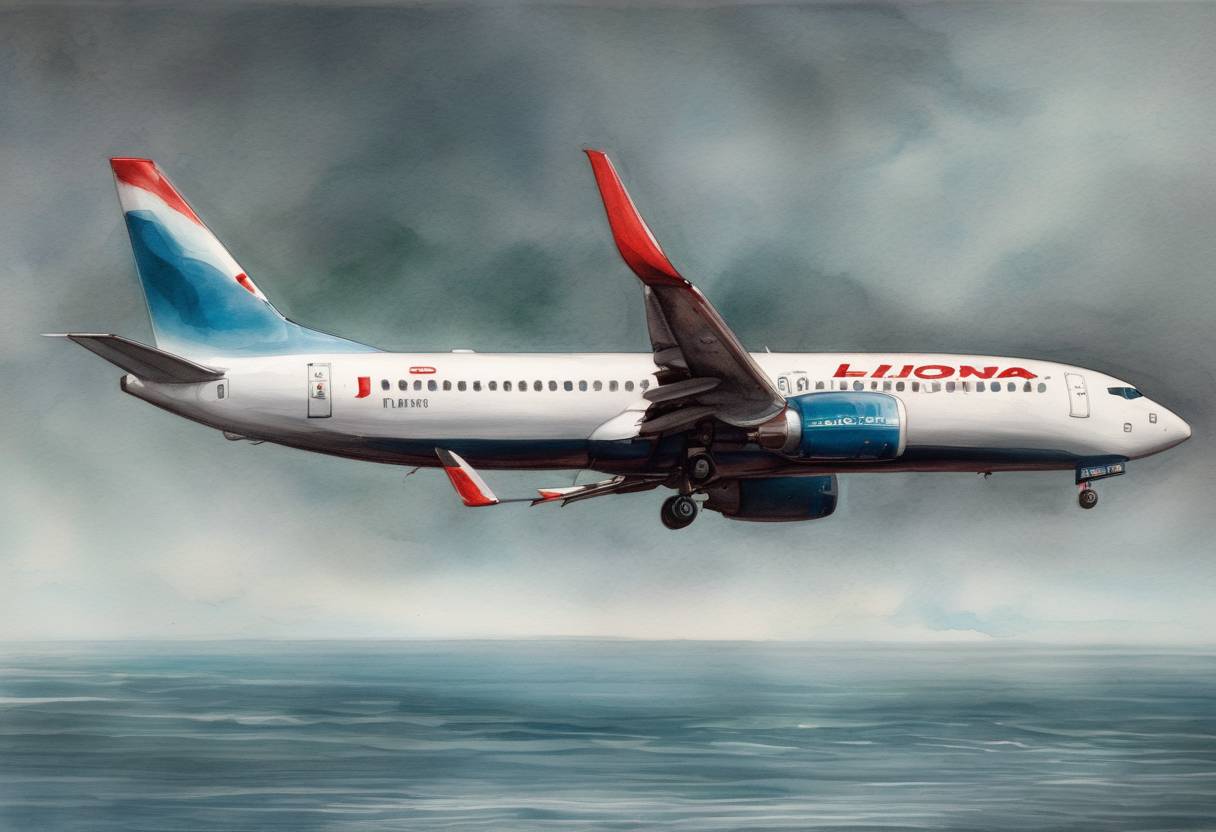
On October 29, 2018, Lion Air Flight 610, operated by a Boeing 737 MAX 8, tragically crashed into the Java Sea shortly after taking off from Soekarno-Hatta International Airport in Jakarta, Indonesia. The flight was en route to Depati Amir Airport in Pangkal Pinang, carrying 189 passengers and crew members, all of whom perished in the accident.
The Boeing 737 MAX 8 was a new addition to airline fleets, having been introduced into service just the previous year. Lion Air, one of Indonesia’s largest low-cost carriers, had received this aircraft two months before the accident.
The immediate aftermath saw a massive search and rescue operation involving the Indonesian authorities and international aid. The location of the crash provided challenging conditions for the divers and search personnel.
The investigation revealed that issues with the aircraft’s flight control system, particularly the newly introduced Maneuvering Characteristics Augmentation System (MCAS), contributed to the crash. The MCAS was designed to prevent the plane from stalling, but in this instance, it repeatedly pushed the nose of the plane down due to erroneous data from a faulty sensor.
The crash brought extensive scrutiny to the Boeing 737 MAX aircraft. It raised serious questions about the safety protocols, training, and communication between Boeing and its clients regarding new system implementations. The catastrophe was compounded by a similar crash of Ethiopian Airlines Flight 302 in March 2019, leading to the global grounding of all Boeing 737 MAX aircraft.
The Lion Air Flight 610 tragedy highlighted crucial lapses in aircraft technology integration, pilot training and certification processes, and inter-organizational communication. It served as a catalyst for significant changes in the aviation industry to ensure better safety practices and protocol adherence.
Source: www.cnn.com