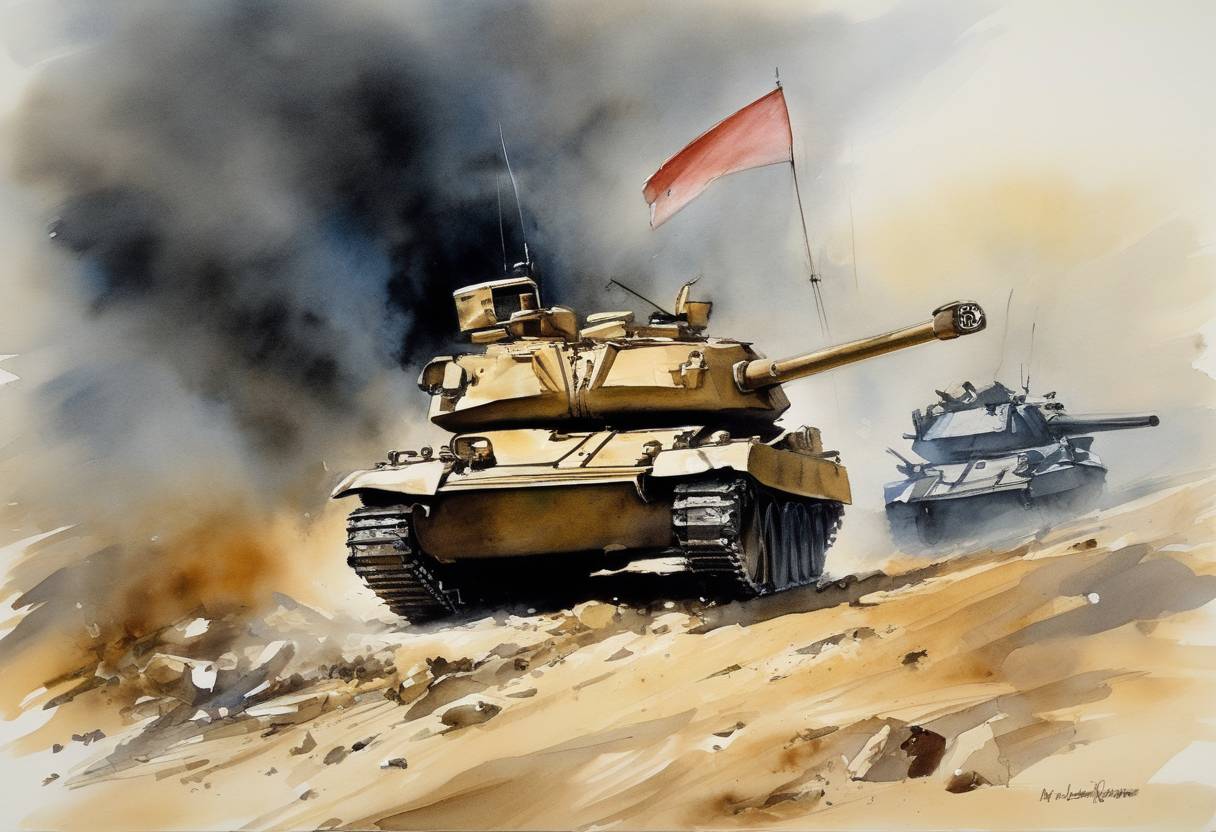
United Nations Resolution 338 and the Yom Kippur War Ceasefire
On October 23, 1973, a United Nations ceasefire resolution, known as Resolution 338, was officially accepted by the combatant parties, leading to the cessation of hostilities in the Yom Kippur War. This was a critical moment in Middle Eastern geopolitics involving Israel and the coalition of Arab states led by Egypt and Syria.
Context and Lead-Up
The Yom Kippur War, also referred to as the October War, began on October 6, 1973, when Egypt and Syria launched a coordinated surprise attack against Israel on Yom Kippur, the holiest day in Judaism. This offensive aimed to reclaim territories lost to Israel during the Six-Day War of 1967, namely the Sinai Peninsula and the Golan Heights.
The conflict rapidly escalated, drawing in global attention and involvement. The United States and the Soviet Union engaged in a tense diplomatic struggle, each supporting different sides: the U.S. backing Israel and the Soviet Union supporting the Arab states.
United Nations Resolution 338
Adopted on October 22, 1973, by the United Nations Security Council, Resolution 338 called for an immediate ceasefire and the implementation of Resolution 242, which emphasized “land for peace” and negotiation as paths to resolving Middle Eastern disputes. The text of Resolution 338 demanded a ceasefire in place, with all parties halting fighting within 12 hours of its adoption.
Despite initial resistance and continued fighting, particularly on the frontlines before the ceasefire took full effect, both Israel and the Arab coalition eventually adhered to the call for cessation of hostilities on October 23, 1973. This marked a crucial shift from military confrontation to diplomatic negotiations.
Aftermath and Significance
The acceptance of Resolution 338 and the subsequent ceasefire underscored the power of international diplomacy in mitigating violent conflict. While the immediate fighting ceased, the war had profound and lasting impacts:
Israeli Morale and Planning: The war exposed vulnerabilities in Israeli defense strategies, prompting significant military and political reassessment.
Arab Confidence: Both Egypt and Syria gained psychological and political leverage, having initially achieved significant advances against Israeli forces.
U.S.-Soviet Relations: The superpower involvement in facilitating a ceasefire highlighted Cold War dynamics, where both powers worked both collaboratively and competitively in Middle Eastern affairs.
Peace Process: The cessation ultimately led to the Geneva Conference, and later, laid groundwork for the Camp David Accords in 1978, which culminated in the Egypt-Israel Peace Treaty of 1979.
Resolution 338, therefore, not only ended a war but also initiated a complex and ongoing process of negotiation and peace-building in the region, shaping Middle Eastern geopolitics for decades.