El Salvador Adopts Bitcoin as Legal Tender
2021 · San Salvador, El Salvador
El Salvador becomes the first country in the world to adopt Bitcoin as legal tender, a controversial move that sparks global debate about the future of cryptocurrency.
April 18, 2022
El Salvador's Legislative Assembly extends the state of emergency by 30 days amidst a crackdown on gangs following a surge in violence.
San Salvador, El Salvador | Government of El Salvador
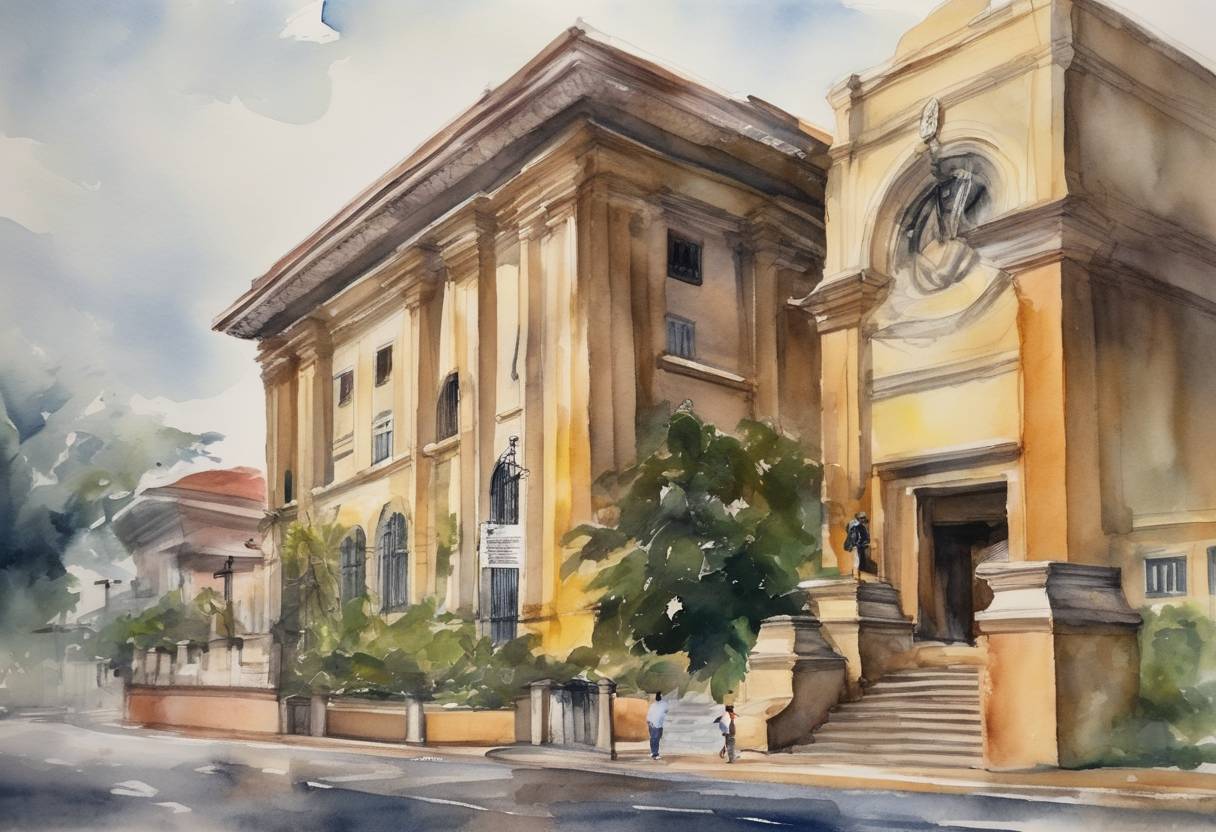
On April 18, 2022, El Salvador’s Legislative Assembly voted to extend the state of emergency by another 30 days as the government continued its aggressive crackdown on gang-related violence. This extension was part of President Nayib Bukele’s broader strategy to combat a surge in crime that had rattled the nation.
The state of emergency was initially declared in late March 2022, following a particularly deadly weekend that saw the murder of 62 individuals on March 26, the highest single-day toll in the country in decades. This spike in violence was attributed to the country’s powerful gangs, primarily MS-13 and Barrio 18, which have long been a source of chaos and instability in El Salvador.
The initial implementation of the state of emergency suspended certain constitutional rights, including freedom of assembly and the right to legal counsel. It also allowed for extended detention periods without charge, aimed at enabling security forces to arrest suspects more swiftly and with fewer legal constraints.
The extension on April 18 saw 67 out of 84 lawmakers in the Legislative Assembly voting in favor. The decision reflected the legislative body’s support for Bukele’s relentless anti-gang measures despite criticisms from human rights organizations who argued the measures potentially violated human rights and due process.
The government’s measures have led to the arrest of tens of thousands of suspected gang members. President Bukele’s administration argued that these steps were necessary to restore order and guarantee citizens’ safety in a country where gang violence has historically been rampant. Despite controversy, the crackdown enjoyed significant domestic support, evidenced by high approval ratings for Bukele and his administration.
However, the approach has been closely scrutinized by international observers, who have warned about the potential for governmental overreach and long-term impacts on El Salvador’s democratic institutions.
The extension of the state of emergency highlights El Salvador’s ongoing struggle with gang violence and the difficult balance between security and human rights. It underscores the challenges faced by nations dealing with entrenched organized crime and reflects broader regional security concerns within Central America.
The governmental tactics and subsequent international reactions also provide insights into the geopolitical dynamics and governance issues in Latin American countries grappling with systemic corruption, violence, and socio-economic instability.
Source: www.bbc.com