Bahrain's Declaration of Independence
1971 · Manama, Bahrain
Bahrain declared its independence from the United Kingdom.
September 16, 1975
Papua New Guinea gained independence from Australia.
Port Moresby, Papua New Guinea | Papua New Guinean government
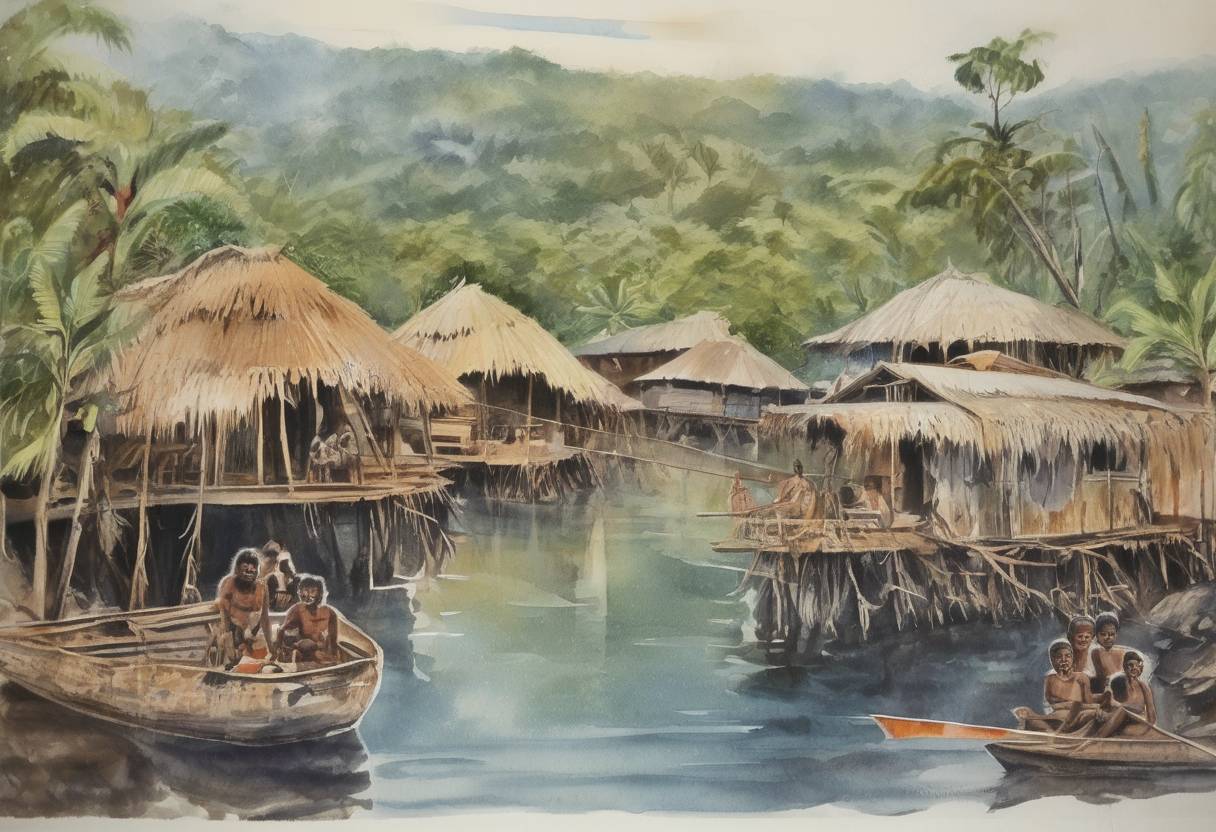
On September 16, 1975, Papua New Guinea (PNG) officially gained independence from Australia, marking a significant milestone in the nation’s history. This event was the culmination of a gradual process of decolonization and self-governance that had been unfolding over several decades.
Colonial Background: The region now known as Papua New Guinea was initially divided between Germany and Britain in the late 19th century. Following World War I, the League of Nations mandated the northern part, formerly German New Guinea, to Australia. The southern part, British New Guinea, had already been under Australian administration since 1906, known as the Territory of Papua.
World War II Impact: During World War II, Papua New Guinea was a significant battleground in the Pacific theater. The war had a profound impact on the region, leading to increased infrastructure development and a greater Australian presence.
Post-War Developments: After the war, the territories were administered jointly as the Territory of Papua and New Guinea. The push for self-governance gained momentum in the 1960s, influenced by global decolonization trends and local political movements.
Self-Government: In 1973, Papua New Guinea achieved self-government, with Michael Somare becoming the Chief Minister. This was a critical step toward full independence, as it allowed the local government to manage internal affairs while Australia retained control over defense and foreign policy.
Constitutional Development: A Constitutional Planning Committee was established to draft a constitution for the new nation. The committee emphasized creating a system that reflected the diverse cultures and traditions of Papua New Guinea.
Independence Day: On September 16, 1975, Papua New Guinea became an independent nation. The transition was peaceful, with the new government taking over responsibilities from Australia. Michael Somare became the first Prime Minister of Papua New Guinea.
Cultural Identity: Independence allowed Papua New Guinea to assert its cultural identity and political autonomy. The nation is known for its rich cultural diversity, with over 800 languages spoken and numerous ethnic groups.
Challenges: Despite the peaceful transition, Papua New Guinea faced significant challenges post-independence, including economic development, political stability, and social cohesion.
International Relations: Papua New Guinea maintained a close relationship with Australia, which continued to provide aid and support. The country also became a member of the United Nations and other international organizations, establishing its presence on the global stage.
Papua New Guinea’s independence was a pivotal moment in its history, representing the end of colonial rule and the beginning of a new era of self-determination and nation-building.
Source: en.wikipedia.org