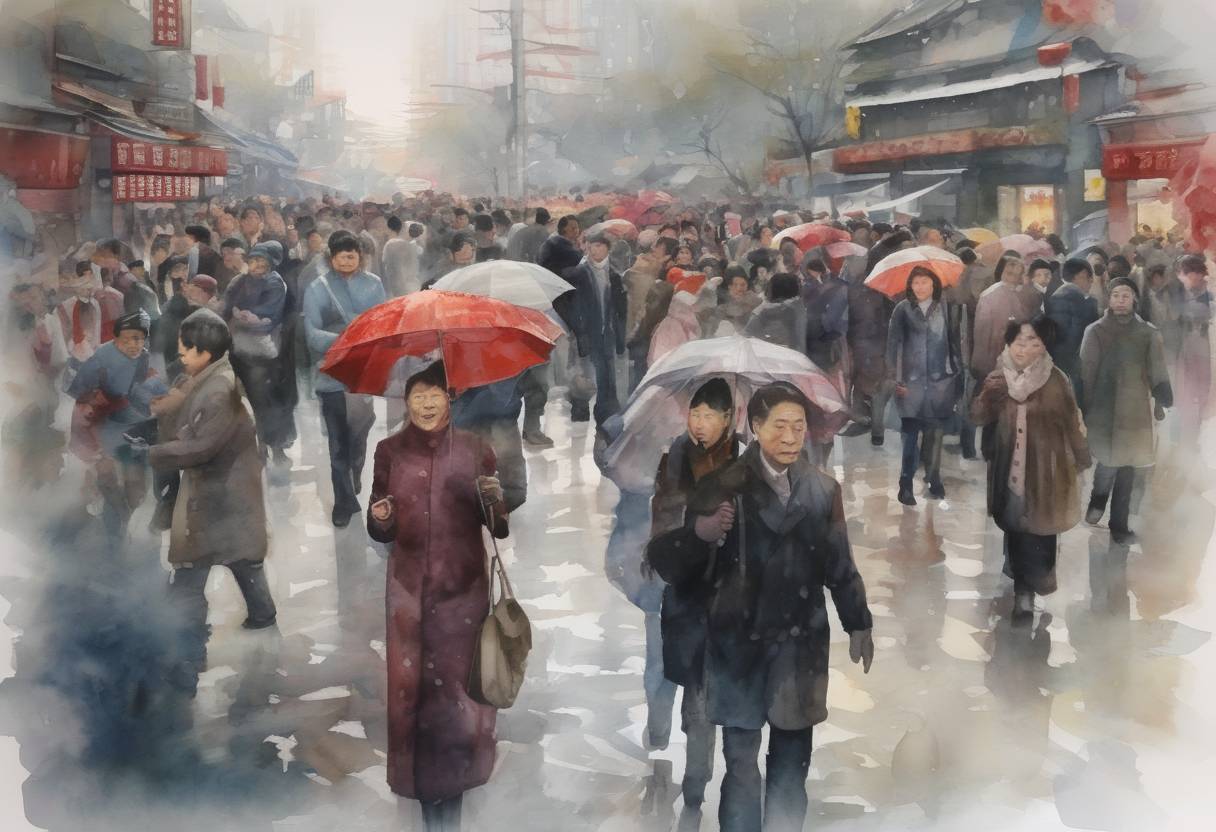
The 2014 Shanghai New Year’s Eve Stampede
On December 31, 2014, a tragic stampede occurred during New Year’s Eve celebrations in Shanghai, China, resulting in the deaths of 36 people and injuring 49 others. This unfortunate event took place in the historic Bund area, a popular waterfront destination known for its colonial-era buildings and vibrant nightlife.
Context and Lead-Up to the Event
Shanghai, as one of China’s most populous and cosmopolitan cities, is a hub for major public celebrations, particularly on New Year’s Eve. The Bund, with its scenic views of the Huangpu River and the city’s skyline, is a favored spot for both locals and tourists to gather and celebrate the New Year.
In 2014, the city authorities had canceled an official New Year’s Eve countdown event at the Bund due to concerns about overcrowding, following a similar event the previous year that had attracted over 300,000 people. Despite the cancellation, large crowds still gathered in the area to celebrate.
The Stampede
The stampede occurred shortly before midnight as people were moving through Chen Yi Square, a popular viewing spot on the Bund. The exact cause of the stampede remains unclear, but reports suggest that the crowd became too dense, leading to panic and a deadly crush.
Some eyewitnesses reported that the situation was exacerbated by people throwing fake money from a nearby building, causing a rush in the crowd. However, this account was later disputed by authorities.
Aftermath and Consequences
The aftermath of the stampede was devastating, with 36 people losing their lives and 49 others sustaining injuries. The victims were predominantly young, with many being students.
In response to the tragedy, the Chinese government launched an investigation to determine the causes and to hold accountable those responsible for public safety. The investigation highlighted several issues, including inadequate crowd control measures and insufficient police presence.
The Shanghai municipal government faced significant criticism for its handling of the event, leading to the dismissal of several officials. In the wake of the tragedy, authorities implemented stricter safety measures for public gatherings, including increased police presence and improved crowd management strategies.
Broader Historical Significance
The 2014 Shanghai stampede underscored the challenges of managing large public events in rapidly growing urban centers. It highlighted the need for effective crowd control and emergency response planning to prevent similar tragedies in the future.
This incident also prompted a broader discussion on public safety in China, influencing policies and practices related to the management of large-scale events across the country.
The tragedy remains a somber reminder of the potential dangers associated with large gatherings and the importance of prioritizing public safety in event planning and execution.