Ukraine International Airlines Flight 752 Incident
2020 · Tehran, Iran
Ukraine International Airlines Flight 752 was shot down by the Iranian military shortly after takeoff from Tehran, killing all 176 people on board.
November 29, 2020
Iranian nuclear scientist Mohsen Fakhrizadeh is assassinated near Tehran, an event that escalates tensions in the region and leads to widespread speculation about the involvement of foreign intelligence agencies.
Tehran, Iran | unknown
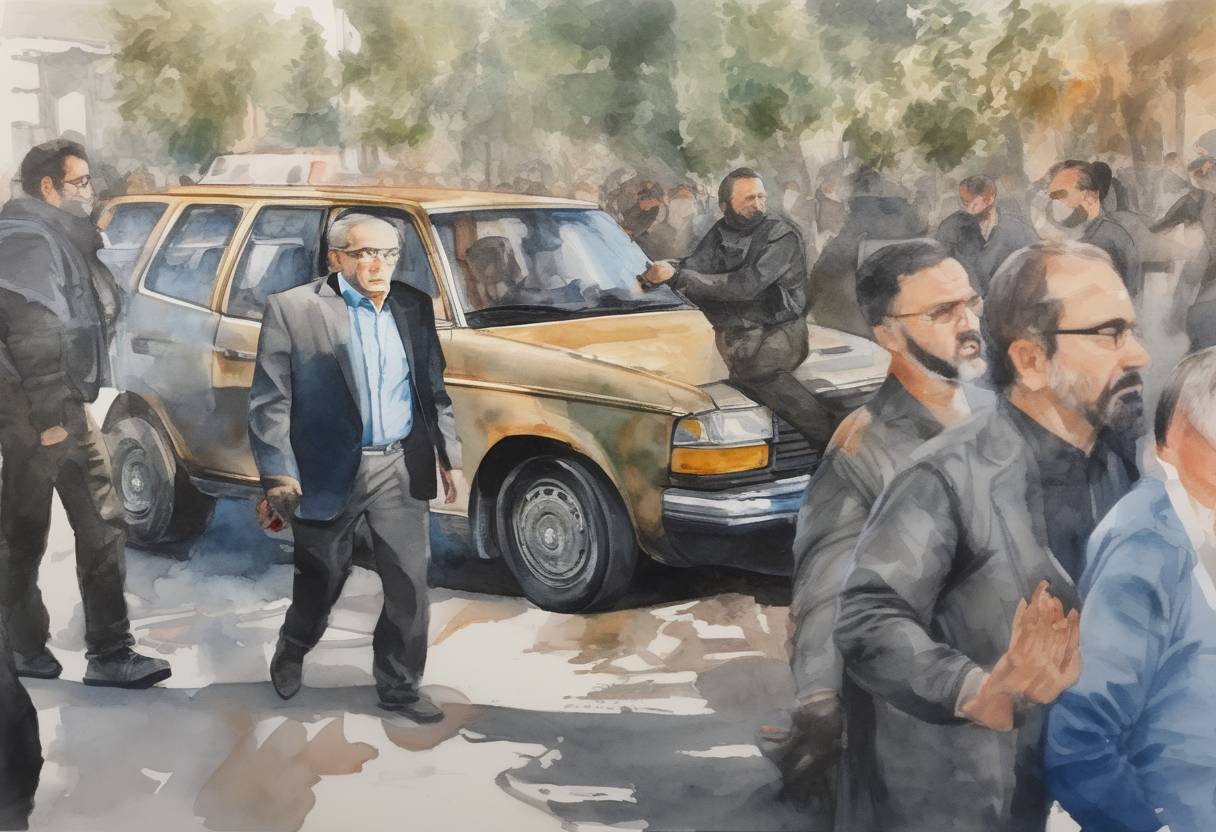
On November 29, 2020, Mohsen Fakhrizadeh, a prominent Iranian nuclear scientist, was assassinated near Tehran, Iran. This event significantly escalated tensions in the region and led to widespread speculation regarding the involvement of foreign intelligence agencies.
Mohsen Fakhrizadeh was a key figure in Iran’s nuclear program. Often referred to as the “father of Iran’s nuclear program,” he was a senior officer in the Islamic Revolutionary Guard Corps and led the country’s nuclear efforts, particularly the Amad Plan, which was allegedly aimed at developing nuclear weapons capabilities. Although Iran has consistently maintained that its nuclear program is for peaceful purposes, Fakhrizadeh’s role made him a target of international scrutiny.
Fakhrizadeh was killed in an ambush on a highway in Absard, a town near Tehran. The attack involved a combination of gunfire and explosives. Initial reports suggested a complex operation, with some accounts indicating the use of remote-controlled weapons. The precise details of the assassination remain unclear, but it was a highly coordinated attack that demonstrated significant planning and intelligence.
The assassination immediately led to speculation about the involvement of foreign intelligence agencies, particularly Israel’s Mossad, which has been implicated in previous operations against Iranian nuclear scientists. Israel, however, neither confirmed nor denied involvement. The United States, a close ally of Israel, was also speculated to have had knowledge of or involvement in the operation, although no official confirmation was provided.
Iranian officials, including President Hassan Rouhani and Supreme Leader Ayatollah Ali Khamenei, condemned the assassination and vowed retaliation. The event heightened tensions in the Middle East, with fears of potential military escalations or retaliatory attacks by Iran.
The assassination of Fakhrizadeh had several significant consequences:
Regional Tensions: The event exacerbated already strained relations between Iran and its regional adversaries, particularly Israel and Saudi Arabia. It also complicated diplomatic efforts, including those related to the Joint Comprehensive Plan of Action (JCPOA), commonly known as the Iran nuclear deal.
Iran’s Nuclear Program: In response to the assassination, Iran announced plans to enhance its nuclear program, including increasing uranium enrichment levels, which further alarmed the international community.
International Diplomacy: The assassination occurred during a transitional period in U.S. politics, with President-elect Joe Biden preparing to take office. The event posed challenges for the incoming administration’s plans to re-engage with Iran and potentially revive the JCPOA.
Security Measures: The assassination led to increased security measures within Iran, particularly for high-profile figures involved in sensitive national projects.
In summary, the assassination of Mohsen Fakhrizadeh was a pivotal event with far-reaching implications for regional stability, international diplomacy, and Iran’s nuclear ambitions. It underscored the complex geopolitical dynamics in the Middle East and the ongoing challenges in addressing nuclear proliferation concerns.
Source: www.nytimes.com