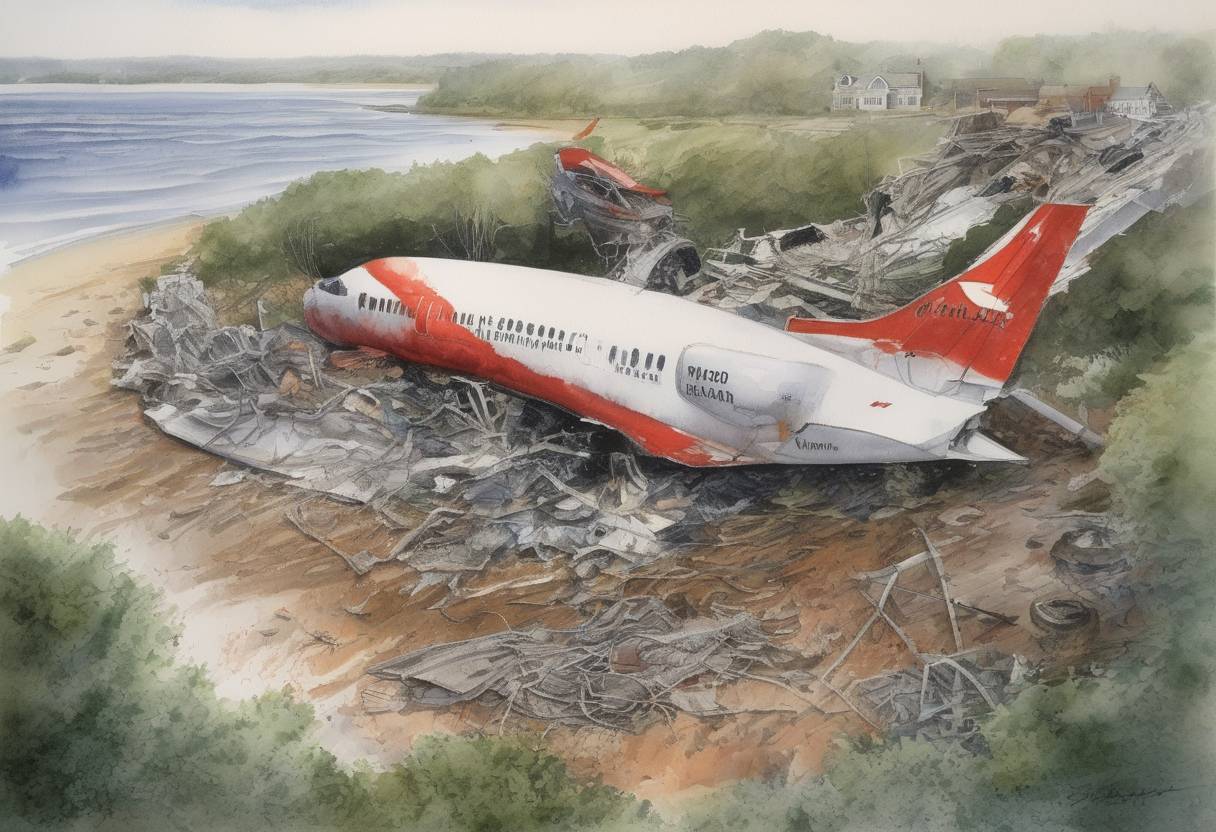
Avianca Flight 52 Crash: January 25, 1990
On January 25, 1990, Avianca Flight 52, a regularly scheduled international passenger flight from Bogotá, Colombia, to New York City, crashed into the village of Cove Neck, Long Island. The crash resulted in the tragic loss of 73 lives, while 85 people survived the accident. This incident is a significant event in aviation history, primarily due to the factors leading to the crash and its subsequent impact on aviation safety protocols.
Background
- Flight Details: Avianca Flight 52 was operated by a Boeing 707-321B aircraft. The flight originated from El Dorado International Airport in Bogotá, with a stopover in Medellín, Colombia, before heading to John F. Kennedy International Airport (JFK) in New York.
- Crew and Passengers: The flight carried 158 people, including 149 passengers and 9 crew members.
Events Leading to the Crash
- Weather Conditions: On the day of the crash, the northeastern United States was experiencing severe winter weather, causing significant air traffic congestion and delays at JFK Airport.
- Holding Patterns: Due to the congestion, Flight 52 was placed in multiple holding patterns by air traffic control, which significantly increased its flight time and fuel consumption.
- Communication Issues: A critical factor in the crash was the communication between the flight crew and air traffic control. The crew did not clearly communicate the urgency of their fuel situation, failing to declare a fuel emergency in unequivocal terms.
The Crash
- Fuel Exhaustion: As the aircraft approached JFK, it ran out of fuel, leading to the failure of all four engines. The crew attempted an emergency landing but crashed into a wooded area in Cove Neck, Long Island, approximately 15 miles from the airport.
- Impact: The aircraft broke apart upon impact, causing the deaths of 73 individuals, including 65 passengers and 8 crew members. Remarkably, 85 people survived, thanks in part to the aircraft’s relatively low speed and the nature of the terrain.
Aftermath and Consequences
- Investigation: The National Transportation Safety Board (NTSB) conducted a thorough investigation, concluding that the primary cause of the crash was the flight crew’s failure to manage the aircraft’s fuel load and communicate effectively with air traffic control.
- Safety Improvements: The crash led to significant changes in aviation safety protocols, particularly regarding fuel management and communication. Airlines and air traffic controllers were urged to adopt clearer communication standards, especially in emergency situations.
- Training and Procedures: The incident highlighted the need for improved training for flight crews in handling fuel emergencies and for air traffic controllers in recognizing and responding to such emergencies.
Broader Historical Significance
The crash of Avianca Flight 52 underscored the critical importance of effective communication in aviation safety. It served as a catalyst for changes in international aviation regulations and practices, aiming to prevent similar tragedies in the future. The lessons learned from this incident continue to influence aviation safety standards worldwide.