Coordinated Bombings in Iraq on March 1, 2012
2012 · Baghdad, Iraq
A series of coordinated bombings occurred in Iraq, resulting in the death of at least 23 people. The attacks targeted both Shia and Sunni areas.
June 8, 2008
A suicide bomber kills 13 people and injures 30 others at a police checkpoint in Baghdad, Iraq, highlighting ongoing instability in the region.
Baghdad, Iraq | unknown
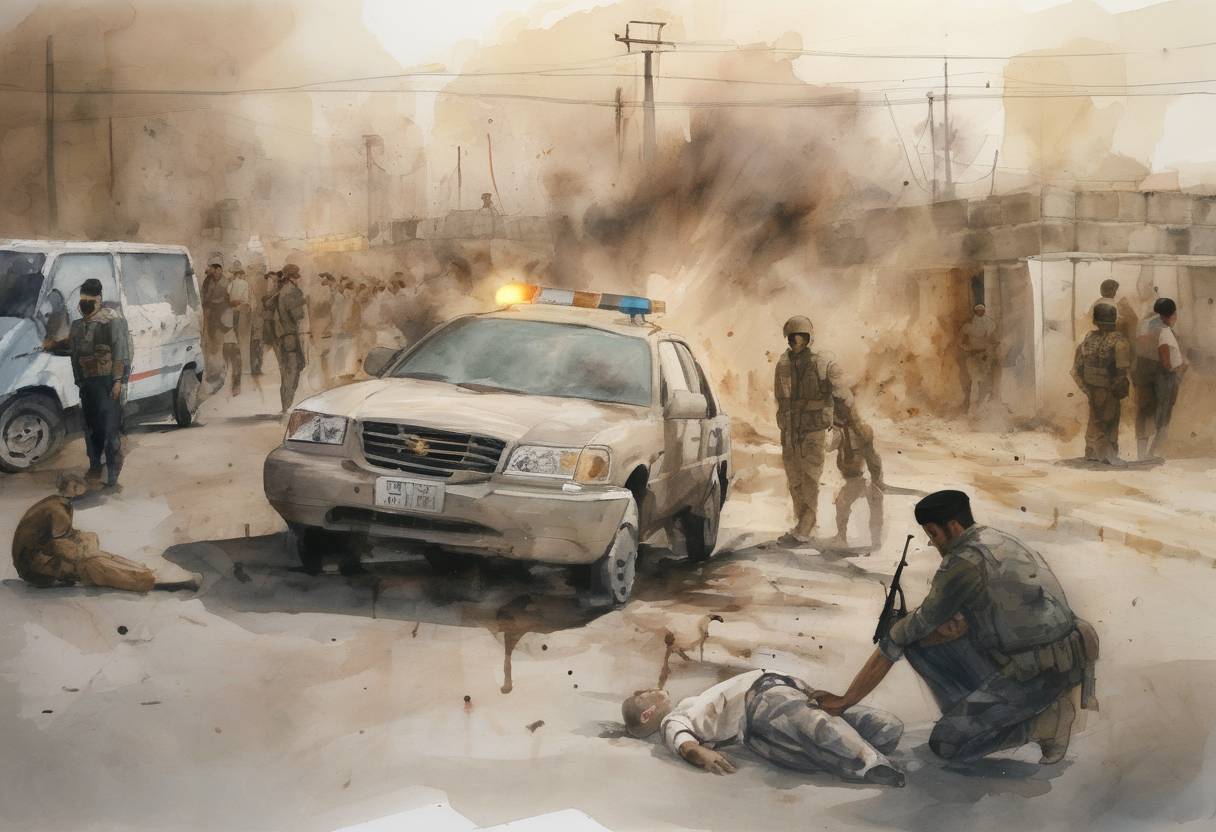
On June 8, 2008, a tragic suicide bombing occurred at a police checkpoint in Baghdad, Iraq, resulting in the deaths of 13 individuals and injuries to approximately 30 others. This attack underscored the persistent instability and violence plaguing Iraq during this period, despite efforts to stabilize the region following the U.S.-led invasion in 2003.
Post-Invasion Iraq: After the 2003 invasion that led to the toppling of Saddam Hussein’s regime, Iraq experienced significant turmoil. The power vacuum and sectarian tensions contributed to widespread violence and insurgency.
Sectarian Violence: The period leading up to 2008 was marked by intense sectarian conflict, primarily between Sunni and Shia groups, exacerbating the security situation in the country.
U.S. Troop Surge: In 2007, the United States implemented a troop surge strategy, which aimed to reduce violence and stabilize the country. While there were some improvements, incidents like the June 8 bombing highlighted ongoing challenges.
Location: The bombing took place at a police checkpoint, a common target for insurgents aiming to undermine the Iraqi government’s authority and security apparatus.
Casualties: The attack resulted in 13 fatalities and injured around 30 people, including both police officers and civilians. Such attacks were part of a broader pattern of violence aimed at destabilizing the region.
Security Measures: In response to ongoing attacks, Iraqi security forces, often supported by coalition forces, intensified efforts to secure key areas and prevent further incidents.
Political Impact: The persistent violence complicated political reconciliation efforts among Iraq’s diverse ethnic and religious groups, hindering the country’s path to stability.
International Response: The international community, including the United States and its allies, continued to support Iraq through military, economic, and diplomatic means, aiming to foster a more stable and secure environment.
Impact on Civilians: The attack was a stark reminder of the human cost of the conflict, affecting countless civilians and contributing to a humanitarian crisis in the region.
Long-term Instability: The events of June 8, 2008, were part of a broader pattern of instability that would continue to affect Iraq in the years to come, influencing regional dynamics and international policies.
This tragic event on June 8, 2008, serves as a poignant example of the challenges faced by Iraq during this tumultuous period, highlighting the complexities of post-invasion reconstruction and the enduring impact of sectarian violence.
Source: www.reuters.com