The United States Declares War on Austria-Hungary: December 7, 1917
1917 · Washington D.C., United States
The United States declares war on Austria-Hungary during World War I.
August 6, 1914
Austria-Hungary declared war on Russia, escalating the conflict that became World War I.
Vienna, Austria-Hungary | Austro-Hungarian Empire
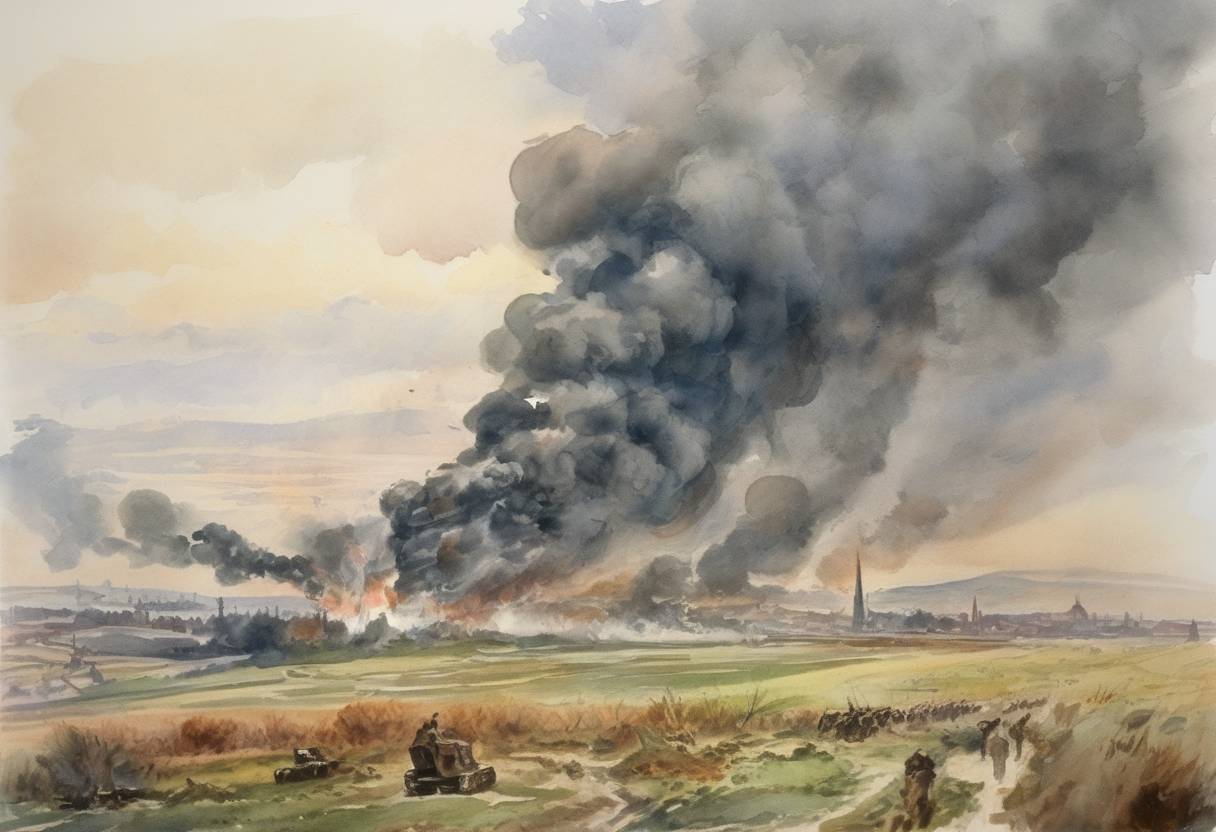
On August 6, 1914, Austria-Hungary declared war on Russia, marking a significant escalation in the conflict that would become known as World War I. This declaration was a pivotal moment in the early stages of the war, as it expanded the scope of the conflict and solidified the alliances that would shape the war’s progression.
The roots of this declaration can be traced back to the complex web of alliances and tensions in early 20th-century Europe:
Assassination of Archduke Franz Ferdinand: The immediate catalyst for the conflict was the assassination of Archduke Franz Ferdinand of Austria-Hungary on June 28, 1914, by Gavrilo Princip, a Bosnian Serb nationalist. This event set off a chain reaction among the major European powers.
Austria-Hungary’s Ultimatum to Serbia: In response to the assassination, Austria-Hungary issued an ultimatum to Serbia on July 23, 1914, with demands that were intentionally harsh. Serbia’s response was seen as insufficient by Austria-Hungary, leading to a declaration of war on Serbia on July 28, 1914.
Russia’s Mobilization: Russia, bound by Slavic ties and alliances with Serbia, began mobilizing its forces on July 30, 1914, in defense of Serbia. This mobilization was perceived as a direct threat by Austria-Hungary and its ally, Germany.
Germany’s Role: Germany, allied with Austria-Hungary through the Triple Alliance, had already declared war on Russia on August 1, 1914. Germany’s support emboldened Austria-Hungary to take a firmer stance against Russia.
Formal Declaration: On August 6, 1914, Austria-Hungary formally declared war on Russia. This action was part of the broader mobilization of the Central Powers, which included Germany and later the Ottoman Empire and Bulgaria.
Expansion of the War: The declaration of war on Russia by Austria-Hungary marked a significant expansion of the conflict. It ensured that the war would not be confined to the Balkans but would involve the major powers of Europe.
Alliances Solidified: The declaration further solidified the alliances that defined World War I. The Entente Powers, including Russia, France, and the United Kingdom, were now fully engaged against the Central Powers.
Global Conflict: The war quickly spread beyond Europe, drawing in nations from around the world and becoming a truly global conflict. The alliances and declarations of war set the stage for a prolonged and devastating conflict that would last until 1918.
In summary, Austria-Hungary’s declaration of war on Russia on August 6, 1914, was a critical step in the escalation of World War I. It reflected the entangled alliances and national interests that characterized the period and contributed to the widespread and destructive nature of the war.
Source: www.britannica.com