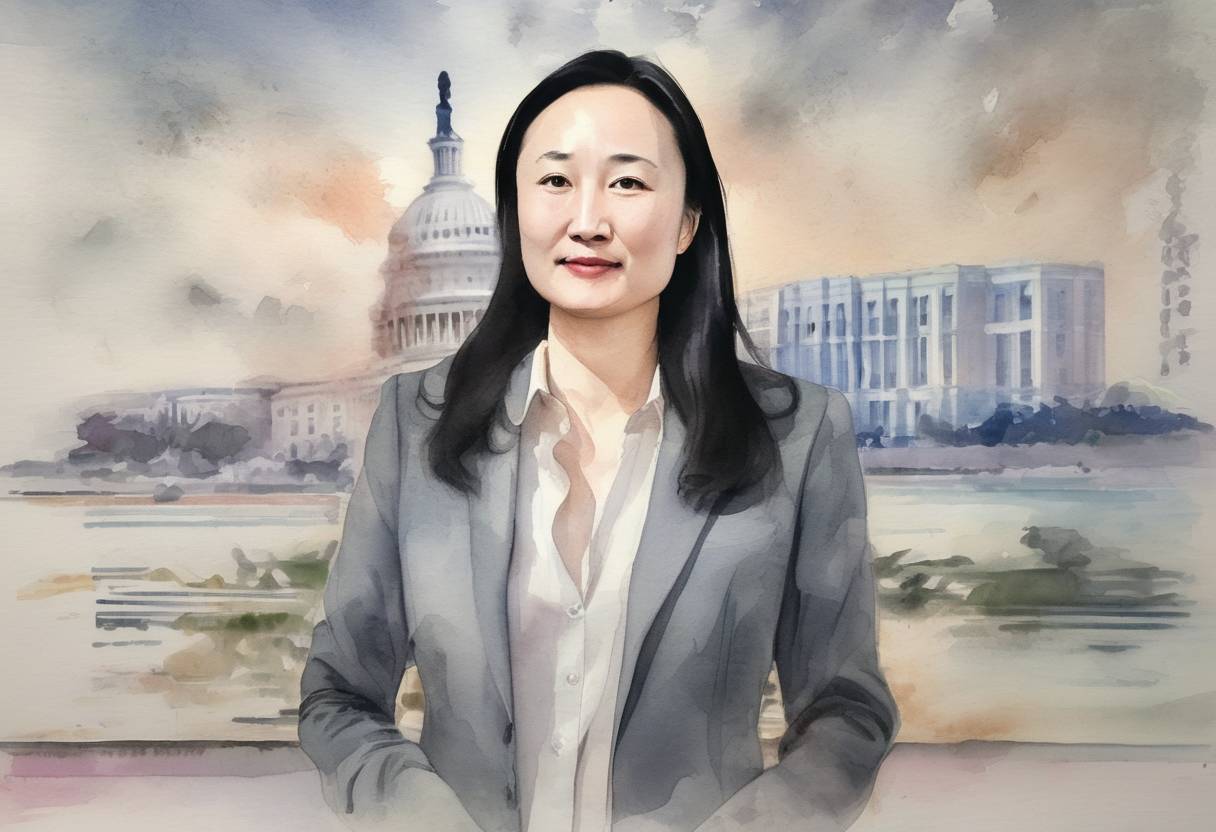
Charges Against Huawei and CFO Meng Wanzhou - February 18, 2020
On February 18, 2020, the United States Department of Justice announced a series of charges against the Chinese telecommunications giant Huawei and its Chief Financial Officer, Meng Wanzhou. These charges included allegations of racketeering and conspiracy to steal trade secrets, marking a significant escalation in the legal battle between the U.S. government and Huawei.
Background
Huawei, founded in 1987, had grown to become one of the world’s largest telecommunications equipment manufacturers and a leading provider of consumer electronics. However, its rapid expansion and close ties to the Chinese government had raised suspicions among Western nations, particularly the United States, regarding potential security risks and intellectual property theft.
Meng Wanzhou, the daughter of Huawei’s founder Ren Zhengfei, had been arrested in Canada in December 2018 at the request of the United States. Her arrest was part of a broader U.S. investigation into Huawei’s business practices, particularly its alleged violations of U.S. sanctions against Iran.
The Charges
The charges announced on February 18, 2020, were part of a superseding indictment that expanded on previous allegations against Huawei. Key points of the indictment included:
Racketeering Conspiracy: The U.S. accused Huawei of engaging in a pattern of racketeering activity, which included efforts to misappropriate intellectual property from U.S. companies. This was seen as an attempt to gain an unfair competitive advantage in the global telecommunications market.
Conspiracy to Steal Trade Secrets: Huawei was alleged to have conspired to steal trade secrets from six U.S. technology companies. The indictment detailed how Huawei purportedly recruited employees from these companies to obtain confidential information.
Violation of Sanctions: The charges reiterated previous allegations that Huawei had violated U.S. sanctions by conducting business with Iran through a subsidiary, Skycom, and had misled financial institutions about these dealings.
Broader Context and Consequences
The charges against Huawei and Meng Wanzhou were part of a broader geopolitical struggle between the United States and China, particularly in the realm of technology and cybersecurity. The U.S. government had been actively lobbying its allies to exclude Huawei from their 5G network infrastructure, citing security concerns.
The legal proceedings against Meng Wanzhou became a focal point in U.S.-China relations, with China demanding her release and accusing the U.S. of politically motivated actions. Her case also strained Canada’s relations with China, as she was held under house arrest in Vancouver while fighting extradition to the United States.
Aftermath
The announcement of these charges further complicated the already tense trade negotiations between the U.S. and China. It also intensified the scrutiny on Huawei’s operations worldwide, with several countries reconsidering their partnerships with the company.
Meng Wanzhou’s legal battle continued for several years, with significant diplomatic and legal implications. In September 2021, she reached a deferred prosecution agreement with the U.S. Department of Justice, allowing her to return to China, while Huawei continued to face legal challenges and restrictions in various countries.
The case underscored the complexities of international trade, technology competition, and the intersection of law and geopolitics in the 21st century.