The First Execution by Gas Chamber in the United States
1924 · Carson City, United States
The first execution by gas chamber in the United States took place in Nevada, with Gee Jon as the first person executed by this method.
August 23, 1927
Italian-American anarchists Sacco and Vanzetti were executed in Massachusetts after a controversial trial.
Charlestown, United States | Massachusetts judicial system
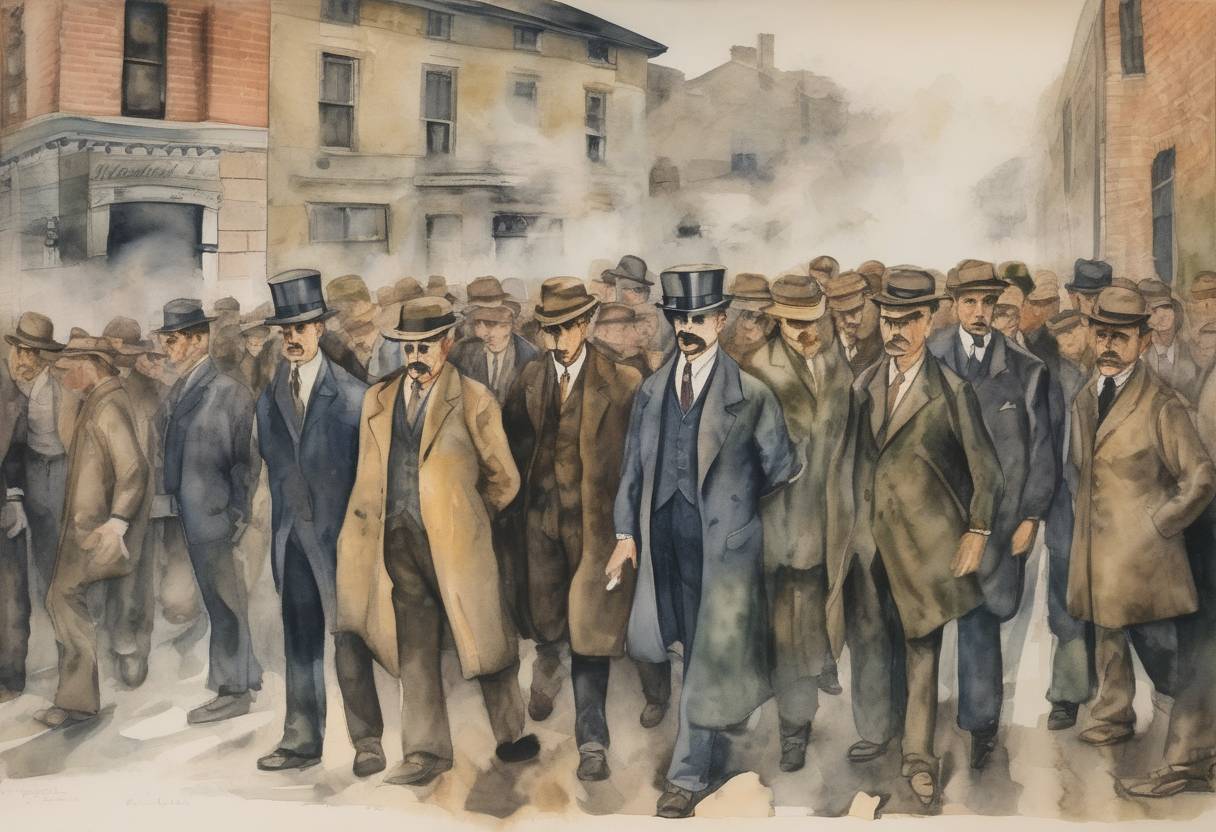
On August 23, 1927, Italian-American anarchists Nicola Sacco and Bartolomeo Vanzetti were executed in the electric chair at Charlestown State Prison in Massachusetts. Their trial and subsequent execution became one of the most controversial legal cases in American history, sparking widespread debate and protests worldwide.
Nicola Sacco and Bartolomeo Vanzetti were Italian immigrants who arrived in the United States in the early 20th century. Both were known for their anarchist beliefs, which were part of a broader movement advocating for radical social change and often associated with labor unrest and anti-government sentiment during that era.
The case against Sacco and Vanzetti centered on a robbery and double murder that occurred on April 15, 1920, in South Braintree, Massachusetts. During the incident, two men, a paymaster and his guard, were shot and killed, and $15,000 was stolen. Sacco and Vanzetti were arrested several weeks later and charged with the crime.
The trial began in May 1921 and was marked by significant controversy. Key issues included:
The trial and subsequent appeals drew international attention. Intellectuals, labor activists, and political figures worldwide, including figures like Albert Einstein and H.G. Wells, spoke out against the perceived injustice. Protests and demonstrations were held in major cities across the globe, highlighting the case as a symbol of prejudice against immigrants and political radicals.
Despite numerous appeals and a global outcry, Sacco and Vanzetti were executed on August 23, 1927. Their deaths prompted further protests and cemented their status as martyrs in the eyes of many supporters.
In 1977, on the 50th anniversary of their execution, Massachusetts Governor Michael Dukakis issued a proclamation declaring that Sacco and Vanzetti had been unfairly tried and convicted, acknowledging the enduring controversy and injustice surrounding the case.
The Sacco and Vanzetti case remains a poignant example of the intersection of justice, politics, and social issues in American history. It highlights the challenges faced by immigrants and political dissidents in the early 20th century and continues to serve as a reminder of the importance of due process and impartiality in the legal system.
Source: en.wikipedia.org