The Premiere of Giuseppe Verdi's "La Battaglia di Legnano"
1850 · Rome, Italy
The first performance of Giuseppe Verdi's opera "Giuseppe Verdi: La Battaglia di Legnano" took place at Teatro Argentina in Rome.
February 20, 1816
Rossini's opera 'The Barber of Seville' premiered at the Teatro Argentina in Rome.
Rome, Italy | Teatro Argentina
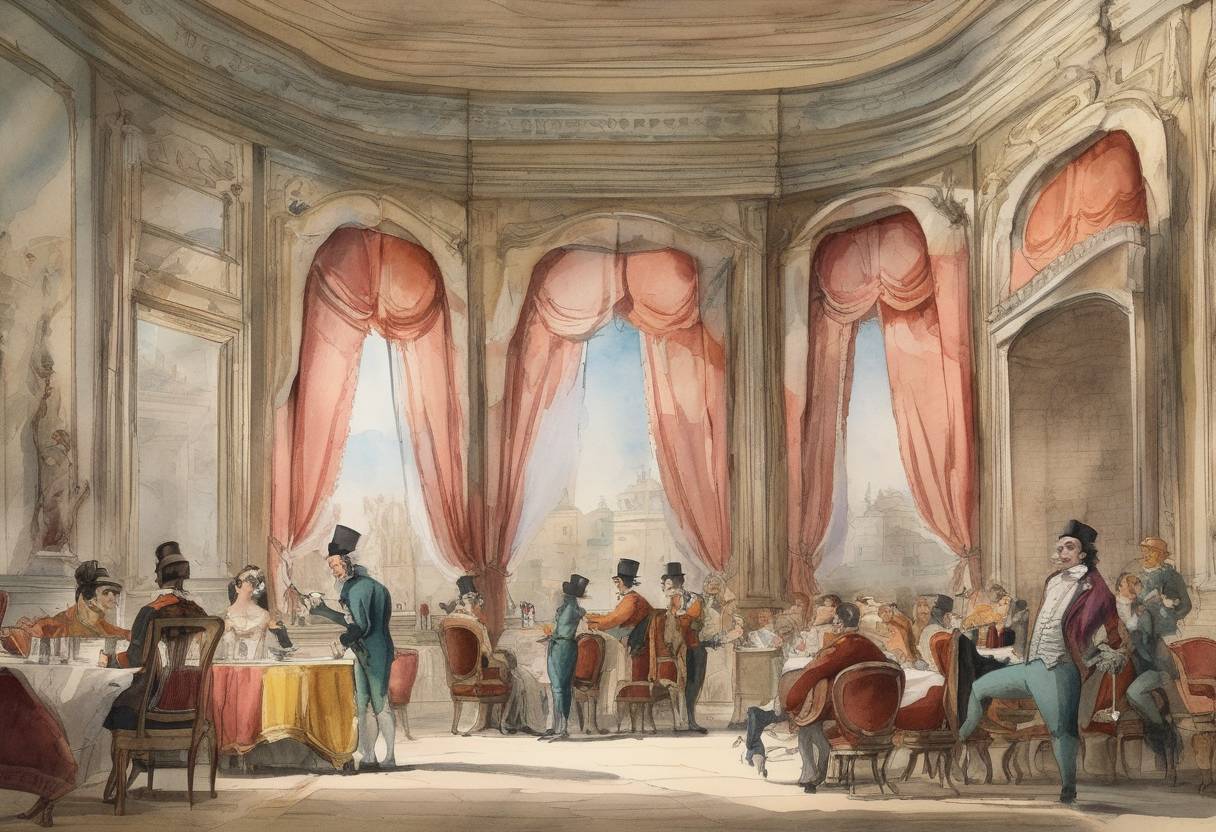
On February 20, 1816, Gioachino Rossini’s opera Il barbiere di Siviglia (The Barber of Seville) premiered at the Teatro Argentina in Rome. This opera, which would later become one of the most beloved and frequently performed works in the operatic repertoire, had a rather tumultuous debut.
Gioachino Rossini, an Italian composer renowned for his operatic compositions, was commissioned to write The Barber of Seville by the Teatro Argentina. The opera is based on Pierre Beaumarchais’s play Le Barbier de Séville, which is part of a trilogy that also includes The Marriage of Figaro and The Guilty Mother. The libretto for Rossini’s opera was written by Cesare Sterbini.
The premiere of The Barber of Seville was marked by a series of unfortunate events and disruptions:
Competition and Rivalry: The opera faced significant opposition from supporters of Giovanni Paisiello, a composer who had previously adapted the same play into an opera in 1782. Paisiello’s admirers were protective of his legacy and sought to undermine Rossini’s new work.
Opening Night Mishaps: The first performance was plagued by mishaps. The tenor Manuel García, who played the role of Count Almaviva, broke a string on his guitar during a serenade. Additionally, a cat wandered onto the stage, causing further distraction and amusement among the audience.
Audience Reaction: The initial audience reaction was hostile, with boos and jeers dominating the evening. This was partly due to the loyalty of Paisiello’s supporters and the chaotic nature of the performance.
Despite the rocky start, The Barber of Seville quickly gained popularity and acclaim:
Subsequent Performances: After the initial performance, the opera was met with increasing enthusiasm. By the second performance, the audience’s reception had improved significantly.
Enduring Popularity: Over time, The Barber of Seville became celebrated for its brilliant music, lively characters, and comedic elements. It is now considered one of the greatest masterpieces of comic opera.
Cultural Impact: The opera’s overture and arias, such as “Largo al factotum” and “Una voce poco fa,” have become iconic in the world of classical music. The character of Figaro, the clever barber, remains a quintessential figure in operatic lore.
Rossini’s The Barber of Seville stands as a testament to the enduring power of music and theater, overcoming its initial challenges to secure a lasting place in the hearts of audiences worldwide.
Source: en.wikipedia.org