The Sino-British Joint Declaration
1984 · Beijing, China
The Sino-British Joint Declaration, an agreement on the future of Hong Kong, was signed in Beijing by the People's Republic of China and the United Kingdom.
December 19, 1984
The Sino-British Joint Declaration was signed, agreeing to the transfer of sovereignty over Hong Kong from the United Kingdom to China in 1997.
Beijing, China | Governments of China and United Kingdom
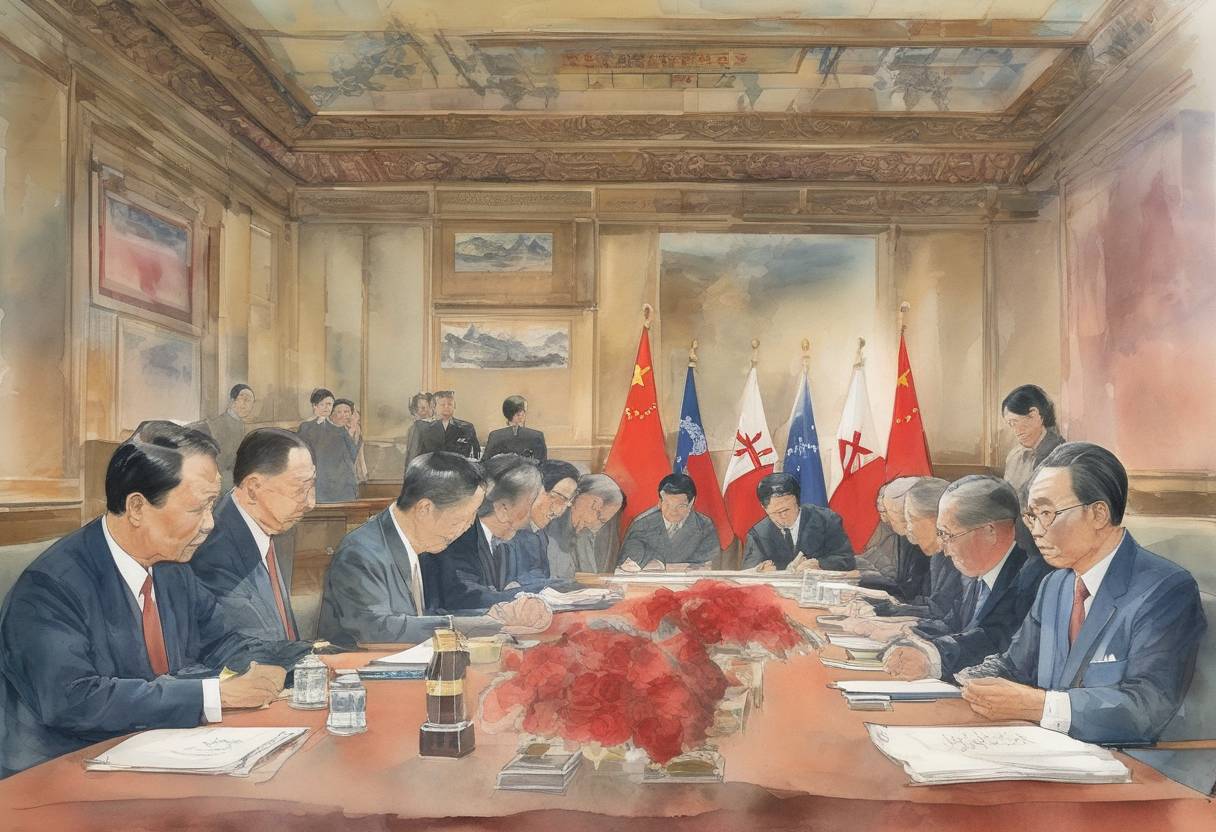
On December 19, 1984, a significant diplomatic agreement known as the Sino-British Joint Declaration was signed between the United Kingdom and the People’s Republic of China. This landmark document outlined the terms under which the sovereignty of Hong Kong would be transferred from British to Chinese control on July 1, 1997.
British Colonial Rule: Hong Kong became a British colony following the First Opium War, with the Treaty of Nanking in 1842 ceding Hong Kong Island to Britain. Subsequent treaties expanded British control to the Kowloon Peninsula and the New Territories, the latter leased for 99 years starting in 1898.
Approaching Lease Expiry: As the lease for the New Territories was set to expire in 1997, discussions about the future of Hong Kong became imperative. The region had developed into a major financial hub, and its future governance was a matter of international concern.
Transfer of Sovereignty: The declaration stipulated that Hong Kong would become a Special Administrative Region (SAR) of China on July 1, 1997.
“One Country, Two Systems”: This principle was central to the agreement, allowing Hong Kong to maintain its capitalist economic system and way of life for 50 years after the transfer, until 2047.
Autonomy and Rights: Hong Kong was promised a high degree of autonomy, except in foreign and defense affairs. The existing legal system, rights, and freedoms were to be preserved.
Signatories: The declaration was signed by British Prime Minister Margaret Thatcher and Chinese Premier Zhao Ziyang in Beijing’s Great Hall of the People.
Ratification: The agreement was ratified by both the British and Chinese governments, and it was registered with the United Nations.
Transition Period: The period leading up to 1997 involved significant preparations for the handover, including the drafting of the Basic Law, which serves as Hong Kong’s mini-constitution.
Impact on Hong Kong: The declaration set the stage for Hong Kong’s unique status and its role as a bridge between East and West. It also laid the groundwork for ongoing debates about autonomy and governance.
International Relations: The agreement was a notable example of diplomatic negotiation and compromise, influencing future discussions on sovereignty and autonomy in other regions.
The Sino-British Joint Declaration remains a pivotal moment in the history of Hong Kong, symbolizing both the end of colonial rule and the beginning of a new era under Chinese sovereignty. Its implications continue to resonate in the political and social landscape of Hong Kong today.
Source: en.wikipedia.org