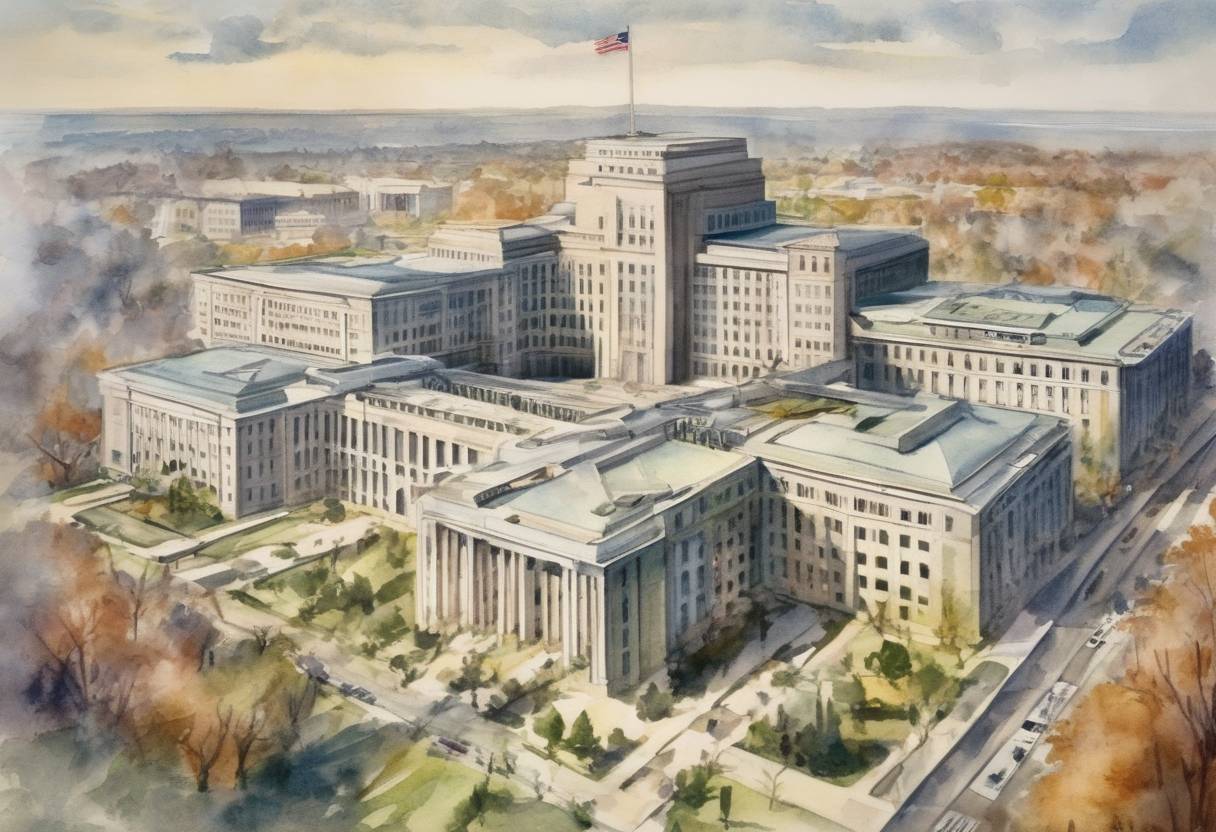
Establishment of the Central Intelligence Group (CIG)
On January 22, 1946, the Central Intelligence Group (CIG) was established in the United States, marking a significant development in the country’s intelligence operations. This organization served as the forerunner to the Central Intelligence Agency (CIA), which would be formally created in 1947.
Context and Background
World War II Aftermath: The establishment of the CIG came in the wake of World War II, during which intelligence operations had proven crucial. The Office of Strategic Services (OSS), led by William J. Donovan, had been the primary intelligence agency during the war, but it was disbanded in 1945.
Need for Centralized Intelligence: The dissolution of the OSS left a gap in the United States’ intelligence capabilities. There was a recognized need for a centralized body to coordinate intelligence activities across various military and civilian agencies.
Executive Order 9621: President Harry S. Truman signed Executive Order 9621 on January 22, 1946, which officially established the CIG. This order aimed to streamline intelligence operations and improve the coordination of information gathering and analysis.
Leadership: The CIG was headed by the Director of Central Intelligence (DCI), with Rear Admiral Sidney W. Souers appointed as the first DCI. The DCI reported directly to the National Intelligence Authority, which consisted of the Secretaries of State, War, and Navy, along with a personal representative of the President.
Functions and Responsibilities
Coordination Role: The primary role of the CIG was to coordinate the intelligence activities of various government departments and agencies, ensuring that information was effectively shared and analyzed.
Intelligence Analysis: The CIG was responsible for producing national intelligence estimates, which involved synthesizing information from multiple sources to provide comprehensive assessments of foreign developments.
Transition to the CIA
National Security Act of 1947: The CIG’s existence was relatively short-lived, as the National Security Act of 1947 led to the creation of the Central Intelligence Agency (CIA). This act formalized the structure of the U.S. intelligence community and established the CIA as a permanent agency responsible for foreign intelligence and covert operations.
Legacy: The establishment of the CIG laid the groundwork for the modern U.S. intelligence apparatus. It highlighted the importance of centralized intelligence coordination and set the stage for the CIA’s expanded role in global intelligence activities.
Historical Significance
The creation of the CIG represented a pivotal moment in the evolution of U.S. intelligence operations. It underscored the need for a coordinated approach to intelligence gathering and analysis in the post-war era, ultimately leading to the establishment of the CIA, which continues to play a crucial role in national security and foreign policy.