The Attack on Baga by Boko Haram - January 5, 2015
2015 · Baga, Nigeria
The Nigerian town of Baga was attacked by Boko Haram, resulting in a large number of casualties and displacements.
October 1, 2020
Armenia and Azerbaijan continued intense fighting over the disputed Nagorno-Karabakh region, with both sides accusing each other of targeting civilian areas, escalating the conflict that began in late September.
Stepanakert, Nagorno-Karabakh | none
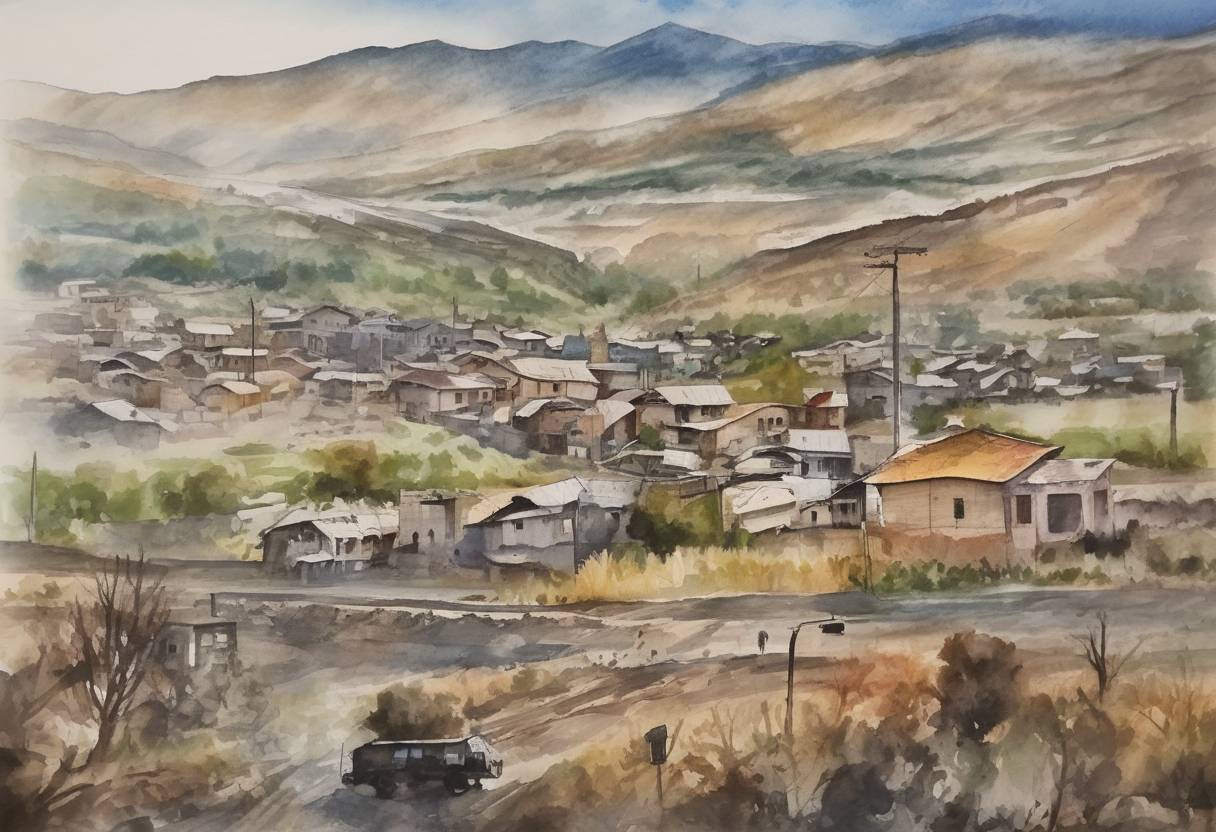
On October 1, 2020, the conflict between Armenia and Azerbaijan over the disputed Nagorno-Karabakh region intensified significantly. This escalation marked a continuation of hostilities that had erupted on September 27, 2020, leading to one of the most severe flare-ups in the region since the 1994 ceasefire.
Nagorno-Karabakh is a landlocked region in the South Caucasus, internationally recognized as part of Azerbaijan but predominantly populated by ethnic Armenians. The roots of the conflict trace back to the early 20th century, with tensions exacerbated during the dissolution of the Soviet Union. A full-scale war broke out from 1988 to 1994, resulting in Armenian forces gaining control over Nagorno-Karabakh and surrounding areas.
By October 1, 2020, both Armenia and Azerbaijan accused each other of targeting civilian areas, which significantly escalated the conflict:
Armenian Claims: Armenia reported that Azerbaijani forces were shelling Stepanakert, the capital of Nagorno-Karabakh, and other civilian areas, causing significant casualties and damage to infrastructure.
Azerbaijani Claims: Conversely, Azerbaijan accused Armenian forces of attacking its cities, including Ganja, the country’s second-largest city, and other civilian-populated areas, resulting in civilian deaths and injuries.
The international community expressed deep concern over the renewed violence:
United Nations: The UN Secretary-General called for an immediate cessation of hostilities and urged both parties to return to negotiations.
OSCE Minsk Group: The Organization for Security and Co-operation in Europe (OSCE) Minsk Group, co-chaired by France, Russia, and the United States, reiterated calls for a ceasefire and a peaceful resolution to the conflict.
Regional Powers: Turkey expressed strong support for Azerbaijan, while Russia maintained a more neutral stance, advocating for dialogue and peace.
The fighting in Nagorno-Karabakh in 2020 had several significant consequences:
Humanitarian Impact: The conflict resulted in hundreds of military and civilian casualties on both sides, with thousands displaced from their homes.
Geopolitical Tensions: The involvement of regional powers like Turkey and Russia highlighted the geopolitical complexities of the South Caucasus region.
Ceasefire Efforts: Despite international calls for peace, a lasting ceasefire remained elusive until a Russian-brokered agreement was reached in November 2020, which saw significant territorial changes and the deployment of Russian peacekeepers.
The events of October 1, 2020, underscored the enduring volatility of the Nagorno-Karabakh conflict and the challenges of achieving a sustainable peace in the region.
Source: www.reuters.com