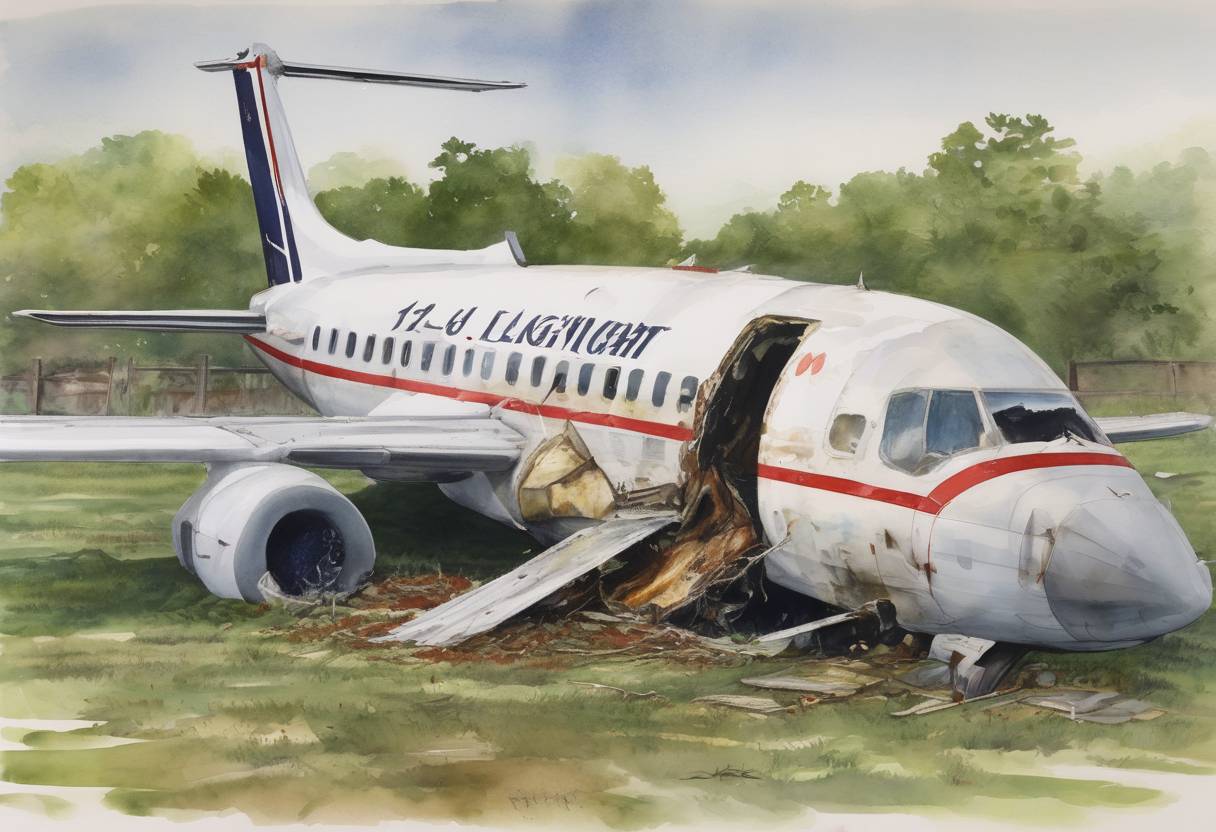
Comair Flight 5191 Crash: August 27, 2006
On August 27, 2006, Comair Flight 5191, a Bombardier CRJ-100ER, tragically crashed during takeoff from Blue Grass Airport in Lexington, Kentucky. The accident resulted in the deaths of 49 of the 50 people on board, marking it as one of the deadliest aviation disasters in the United States in the 2000s.
Background
- Flight Details: Comair Flight 5191 was a scheduled domestic flight from Lexington, Kentucky, to Atlanta, Georgia. Operated by Comair, a regional airline subsidiary of Delta Air Lines, the aircraft was a Bombardier CRJ-100ER, a regional jet designed for short-haul flights.
- Crew and Passengers: The flight carried 47 passengers and 3 crew members. The sole survivor was the first officer, James Polehinke, who sustained serious injuries.
The Incident
- Takeoff Error: The crash occurred because the aircraft attempted to take off from the wrong runway. The pilots mistakenly used Runway 26, which was only 3,500 feet long, instead of the assigned Runway 22, which was 7,000 feet long and suitable for the aircraft’s takeoff requirements.
- Runway Confusion: At the time of the accident, the airport was undergoing construction, which may have contributed to the pilots’ confusion. Additionally, it was early morning, and visibility was limited due to darkness.
Investigation and Findings
- Pilot Error: The National Transportation Safety Board (NTSB) investigation concluded that the primary cause of the crash was pilot error. The crew failed to verify their position and runway assignment before takeoff.
- Contributing Factors: The investigation also highlighted several contributing factors, including inadequate cockpit communication and the absence of runway status lights that could have alerted the pilots to their mistake.
Aftermath and Impact
- Safety Recommendations: Following the crash, the NTSB made several safety recommendations to improve runway safety and cockpit procedures. These included enhanced cockpit communication protocols and better runway signage and lighting.
- Industry Changes: The accident prompted the Federal Aviation Administration (FAA) and airlines to review and improve pilot training programs, particularly focusing on situational awareness and adherence to standard operating procedures.
Broader Significance
The Comair Flight 5191 crash underscored the critical importance of adherence to established aviation protocols and the need for continuous improvements in airport infrastructure and pilot training. It served as a somber reminder of the potential consequences of human error in aviation and led to significant changes aimed at preventing similar tragedies in the future.