The Battle of Verdun: February 21, 1916
1916 · Verdun, France
The Battle of Verdun began during World War I, lasting until December 1916. It was one of the longest and most grueling battles in the war, with heavy casualties on both sides.
April 21, 1918
German fighter ace Manfred von Richthofen, known as the 'Red Baron', was shot down and killed during World War I.
Vaux-sur-Somme, France | German Air Force
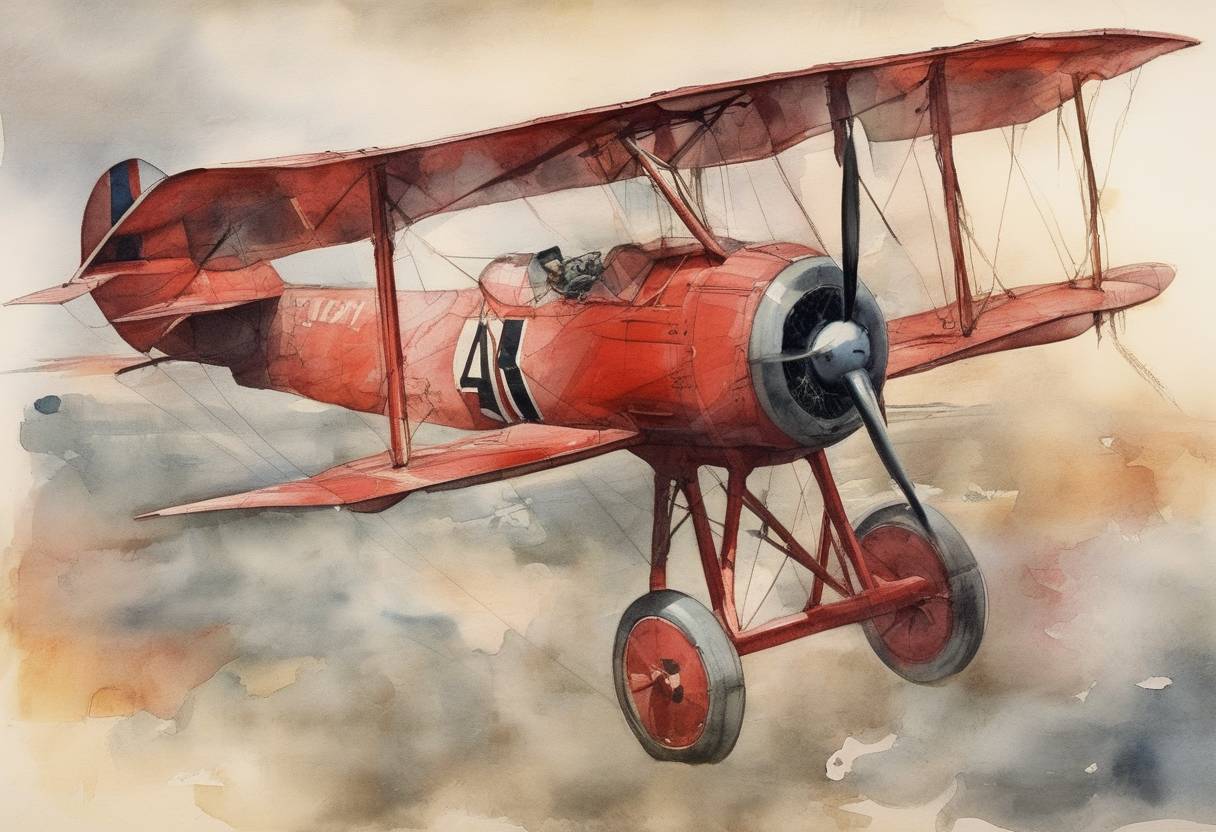
On April 21, 1918, Manfred von Richthofen, famously known as the “Red Baron,” was shot down and killed during World War I. Richthofen was a German fighter pilot and is considered one of the most skilled and successful flying aces of the war.
Manfred von Richthofen was born on May 2, 1892, in Breslau, Germany (now Wrocław, Poland). He initially served in the cavalry before transferring to the Imperial German Army Air Service in 1915. Richthofen quickly distinguished himself as a formidable pilot, earning the nickname “Red Baron” due to his brightly colored aircraft and noble status.
Richthofen became the leader of Jagdgeschwader 1, a fighter wing known as the “Flying Circus” for its colorful aircraft and mobility. By the time of his death, he had achieved 80 confirmed aerial victories, making him the top-scoring ace of World War I.
On the morning of April 21, 1918, Richthofen took off in his Fokker Dr.I triplane to engage Allied aircraft over the Western Front near the Somme River in France. During the dogfight, he pursued a Canadian pilot, Lieutenant Wilfrid “Wop” May, flying a Sopwith Camel.
As Richthofen chased May at low altitude, he was targeted by ground fire from Australian troops and possibly by another Canadian pilot, Captain Arthur “Roy” Brown, who was flying to May’s aid. A single bullet struck Richthofen, fatally wounding him. He managed to land his aircraft in a field near Vaux-sur-Somme but died shortly after.
Richthofen’s death was a significant blow to German morale, as he was a national hero and a symbol of the prowess of the German Air Force. The exact circumstances of his death have been debated, with both ground fire and Captain Brown being credited at various times. However, forensic analysis later suggested that the fatal shot likely came from the ground.
The Allies buried Richthofen with full military honors, recognizing his skill and chivalry as a pilot. His legacy endures as one of the most iconic figures of aerial combat, and his tactics and strategies continue to be studied in military aviation.
Richthofen’s life and career have been the subject of numerous books, films, and other media, cementing his status as a legendary figure in the history of aviation and World War I.
Source: www.britannica.com