Earthquake in the Ryukyu Islands - February 24, 2010
2010 · Ryukyu Islands, Japan
A 7.0 magnitude earthquake struck the Ryukyu Islands in Japan, causing a tsunami warning but resulting in no significant damage or casualties.
July 16, 2007
An earthquake with a magnitude of 6.8 struck Niigata Prefecture in Japan, causing significant damage and resulting in the deaths of at least 11 people. The earthquake also led to a fire and radiation leak at the Kashiwazaki-Kariwa Nuclear Power Plant.
Niigata, Japan | Japan Meteorological Agency
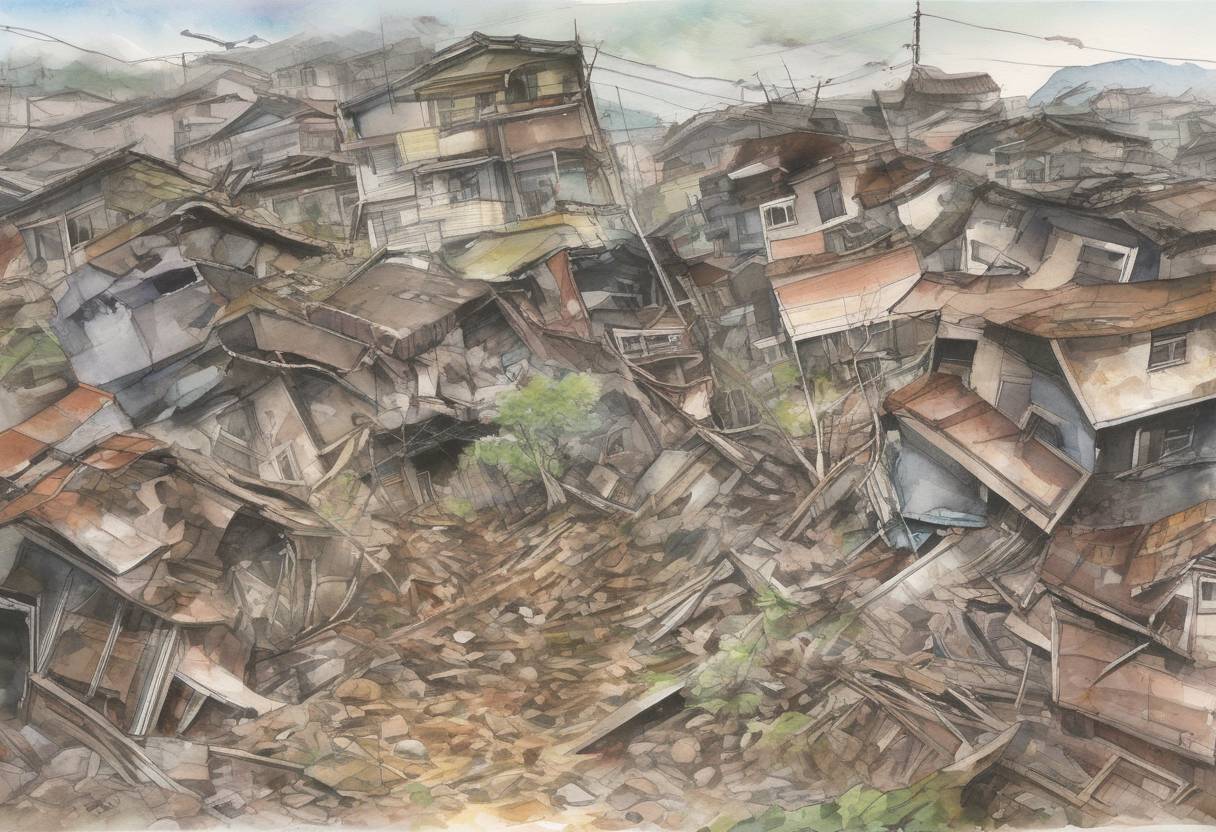
On July 16, 2007, a powerful earthquake with a magnitude of 6.8 struck the Niigata Prefecture on the west coast of Honshu, Japan. This seismic event had significant impacts, both in terms of human casualties and infrastructural damage, and it highlighted vulnerabilities in disaster preparedness, particularly concerning nuclear safety.
One of the most concerning aspects of the earthquake was its impact on the Kashiwazaki-Kariwa Nuclear Power Plant, one of the largest nuclear power stations in the world at the time.
The 2007 Niigata earthquake underscored the challenges Japan faces due to its geographical location along the Pacific Ring of Fire, an area with frequent seismic activity. It also served as a precursor to the more devastating 2011 Tōhoku earthquake and tsunami, which further emphasized the need for robust disaster management systems and reinforced the importance of nuclear safety.
In response to the 2007 earthquake, Japan took steps to enhance building codes, improve emergency response strategies, and reevaluate the safety of its nuclear power infrastructure. These measures aimed to mitigate the impact of future natural disasters and ensure the safety of its population and critical facilities.
Source: www.japantimes.co.jp