Independence of São Tomé and Príncipe
1975 · São Tomé, São Tomé and Príncipe
São Tomé and Príncipe gained independence from Portugal, becoming an independent nation.
August 4, 1984
The Republic of Upper Volta changes its name to Burkina Faso.
Ouagadougou, Burkina Faso | Government of Burkina Faso
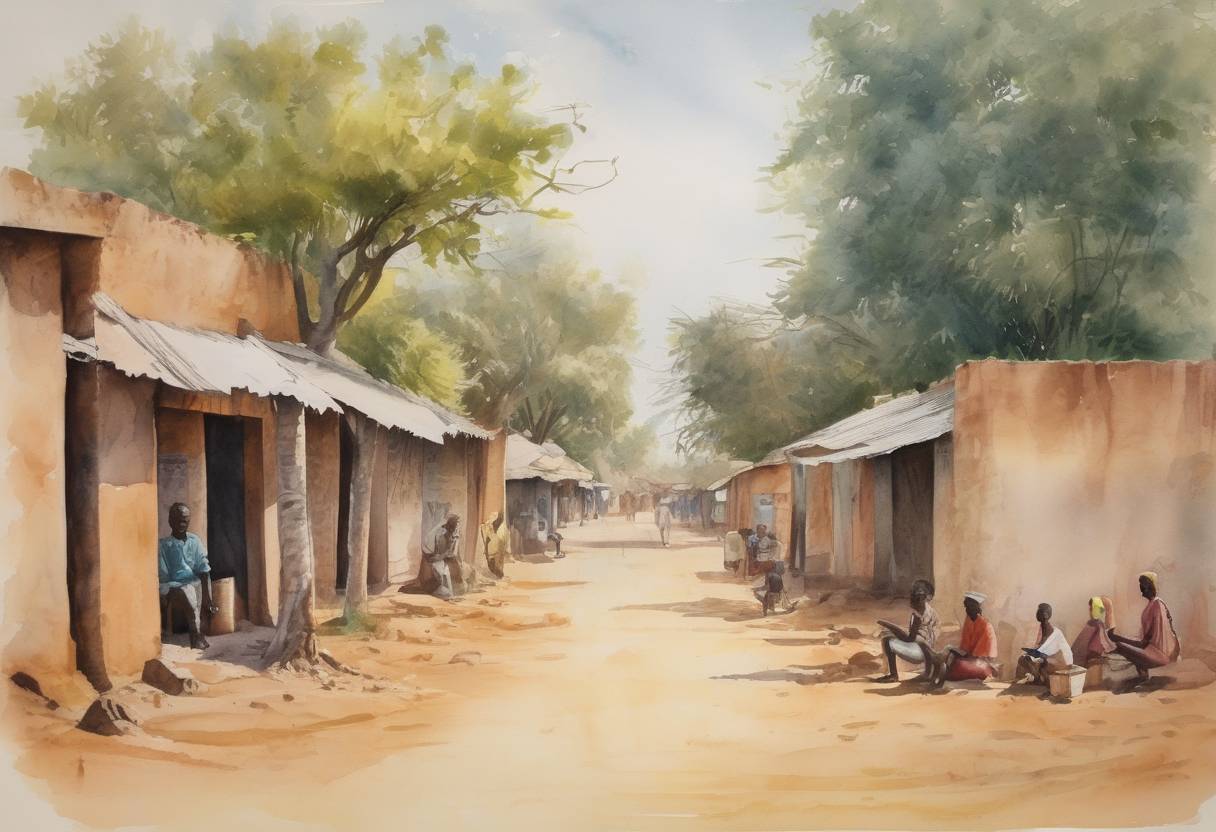
On August 4, 1984, the Republic of Upper Volta officially changed its name to Burkina Faso. This significant event marked a pivotal moment in the country’s history, reflecting a broader movement towards asserting national identity and independence from colonial legacies.
Colonial Background: Upper Volta was a former French colony in West Africa. It gained independence from France on August 5, 1960. The name “Upper Volta” was derived from the Volta River, which flows through the region.
Post-Independence Challenges: Following independence, Upper Volta faced numerous challenges, including political instability, economic difficulties, and social unrest. The country experienced several coups and changes in leadership.
Thomas Sankara’s Leadership: In 1983, Captain Thomas Sankara, a charismatic and revolutionary leader, came to power through a coup. Sankara was known for his progressive policies and efforts to reduce dependency on foreign aid.
Vision for Change: Sankara sought to transform the nation by promoting self-reliance, social justice, and anti-imperialism. He emphasized the importance of cultural identity and national pride.
Meaning of Burkina Faso: The new name, “Burkina Faso,” combines words from two major languages spoken in the country. “Burkina” means “upright” or “honest” in Moore, and “Faso” means “fatherland” in Dioula. Together, the name translates to “Land of Upright People.”
Symbolic Significance: The renaming was a symbolic break from the colonial past and an assertion of the country’s sovereignty and cultural heritage. It was part of a broader set of reforms initiated by Sankara to promote national unity and development.
Sankara’s Reforms: During his tenure, Sankara implemented numerous reforms, including land redistribution, infrastructure development, and improvements in education and healthcare. He also advocated for women’s rights and environmental conservation.
Assassination and Impact: Thomas Sankara’s presidency was cut short when he was assassinated in a coup on October 15, 1987. Despite his untimely death, his legacy continues to inspire movements for social justice and anti-corruption across Africa and beyond.
Enduring Influence: The name Burkina Faso remains a testament to Sankara’s vision and the enduring spirit of the Burkinabé people. It symbolizes a commitment to integrity, resilience, and the pursuit of a just society.
The renaming of Upper Volta to Burkina Faso on August 4, 1984, was more than a mere change of name; it was a declaration of identity and a step towards a future defined by the values of dignity and self-determination.
Source: en.wikipedia.org