The United Kingdom's Formal Departure from the European Union
2020 · London, United Kingdom
The United Kingdom formally left the European Union, beginning an 11-month transition period and marking the first time a member state has left the EU.
March 29, 2017
The United Kingdom formally triggers Article 50 of the Treaty on European Union, beginning the process of Brexit, the UK's withdrawal from the European Union.
London, United Kingdom | European Union
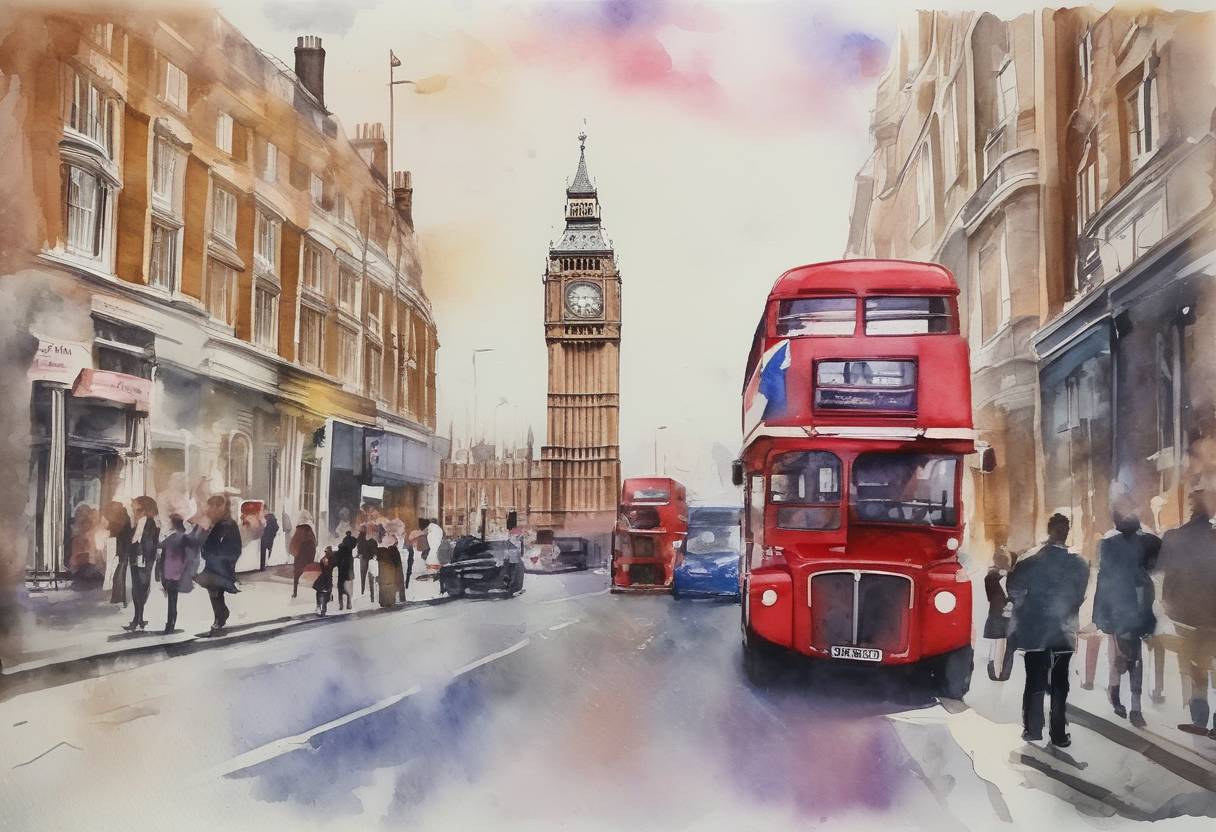
On March 29, 2017, the United Kingdom formally initiated the process of withdrawing from the European Union by triggering Article 50 of the Treaty on European Union. This marked the beginning of Brexit, a significant and complex political process with profound implications for the UK, the EU, and the global community.
The decision to leave the EU followed a nationwide referendum held on June 23, 2016, where 51.9% of voters opted for Brexit. The referendum was a culmination of years of debate over the UK’s relationship with the EU, characterized by concerns over sovereignty, immigration, and economic regulation.
Article 50 is a clause in the Treaty on European Union that outlines the process for a member state to withdraw from the EU. It allows for a two-year negotiation period to settle the terms of the exit, which can be extended if all member states agree.
Referendum Result (June 23, 2016): The UK voted to leave the EU, prompting then-Prime Minister David Cameron to resign.
Theresa May’s Premiership (July 2016): Theresa May became Prime Minister, pledging to deliver Brexit and stating that “Brexit means Brexit.”
Parliamentary Approval (March 2017): The UK Parliament passed the European Union (Notification of Withdrawal) Act, authorizing the government to trigger Article 50.
On March 29, 2017, the UK’s Permanent Representative to the EU, Sir Tim Barrow, delivered a letter to European Council President Donald Tusk, officially notifying the EU of the UK’s intention to leave. This letter, signed by Prime Minister Theresa May, set the Brexit process in motion.
Negotiations: The UK and EU entered into complex negotiations covering issues such as citizens’ rights, financial settlements, and the Irish border.
Political Turmoil: Brexit led to significant political upheaval in the UK, including leadership challenges and changes in government.
Economic Uncertainty: Businesses faced uncertainty over future trade relations, prompting concerns about economic stability.
Brexit represents a pivotal moment in European history, challenging the post-World War II trend of European integration. It has sparked debates about nationalism, globalization, and the future of the EU, influencing political discourse worldwide.
In summary, the triggering of Article 50 on March 29, 2017, was a landmark event that set the UK on a path of profound change, with lasting impacts on its domestic and international landscape.
Source: www.bbc.com