The Enactment of Japan's Post-War Constitution
1947 · Tokyo, Japan
The new post-war Constitution of Japan went into effect, establishing a parliamentary system and renouncing war.
August 10, 1945
Japan offered to surrender in World War II, provided that the status of Emperor Hirohito remained unchanged.
Tokyo, Japan | Japanese Government
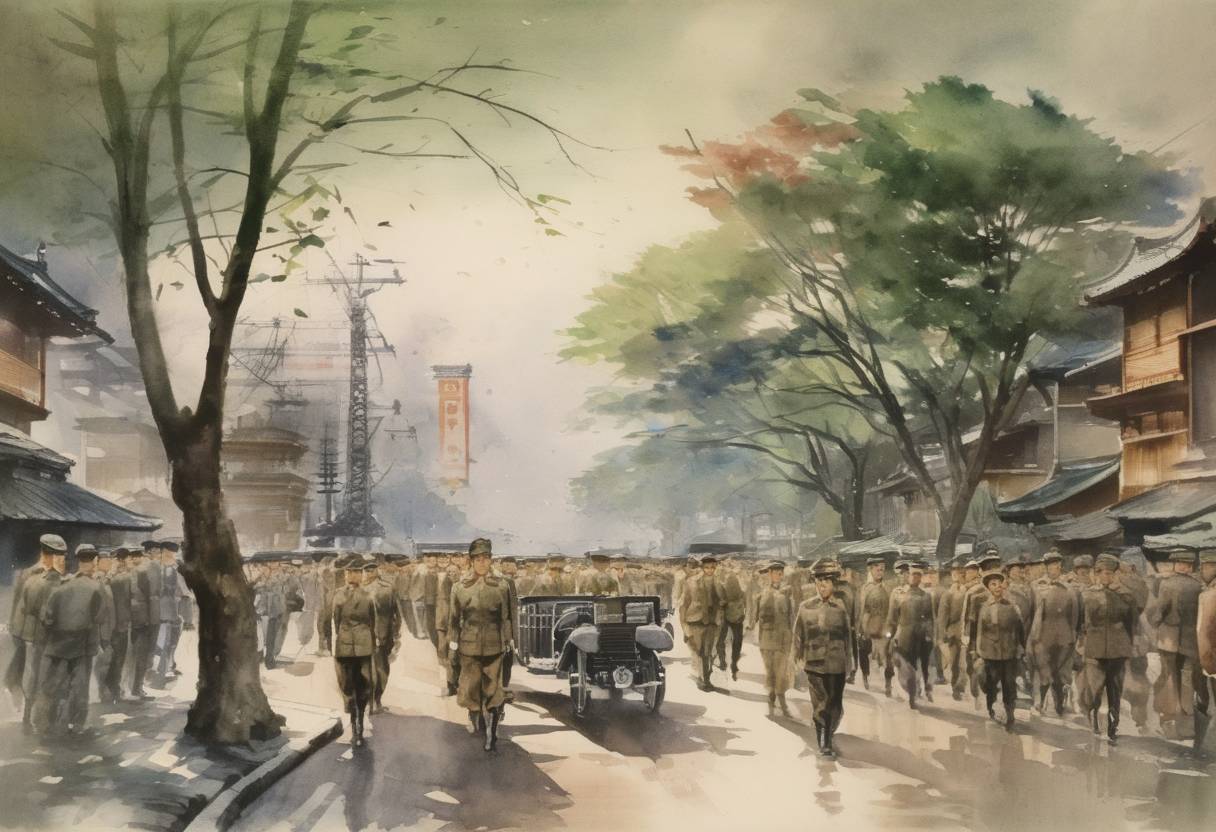
On August 10, 1945, in the closing days of World War II, Japan made a significant move towards surrender. This came just days after the United States dropped atomic bombs on Hiroshima (August 6) and Nagasaki (August 9), causing unprecedented destruction and loss of life. The Soviet Union had also declared war on Japan on August 8, further pressuring the Japanese government.
By mid-1945, Japan was facing dire circumstances. The Allied forces had achieved significant victories in the Pacific, and Japan’s military capabilities were severely diminished. The Allied demand for Japan’s unconditional surrender was articulated in the Potsdam Declaration on July 26, 1945, which Japan initially ignored. However, the atomic bombings and the Soviet entry into the war dramatically altered the strategic situation.
On August 10, Japan communicated its willingness to accept the terms of the Potsdam Declaration, with one crucial condition: the preservation of the imperial institution, specifically the status of Emperor Hirohito. Japan sought assurances that the Emperor would not be deposed and could retain his position as a symbolic figurehead.
The Allies, particularly the United States, were initially divided on how to respond to Japan’s conditional offer. President Harry S. Truman and his advisors debated the implications of retaining the Emperor, given the demand for unconditional surrender. Ultimately, the Allies responded on August 11, clarifying that the Emperor would be subject to the authority of the Supreme Commander of the Allied Powers, but could remain as a constitutional monarch.
Japan formally accepted the Allied terms on August 15, 1945, leading to the official surrender on September 2, 1945, aboard the USS Missouri in Tokyo Bay. This marked the end of World War II.
The decision to allow Emperor Hirohito to remain on the throne was pivotal in facilitating Japan’s surrender and post-war reconstruction. It helped maintain stability during the occupation and transition to a peaceful, democratic society. The Emperor’s role was redefined in Japan’s post-war constitution, transforming him into a ceremonial figurehead without political power.
This event underscores the complexities of diplomatic negotiations and the balance between military objectives and cultural considerations in international relations.
Source: en.wikipedia.org