O.J. Simpson Granted Parole: July 20, 2017
2017 · Carson City, United States
O.J. Simpson is granted parole after serving nine years of a 33-year sentence for armed robbery and kidnapping in Nevada.
February 4, 1997
A civil jury found O.J. Simpson liable for the wrongful deaths of Ron Goldman and Nicole Brown Simpson.
Santa Monica, United States | California Superior Court
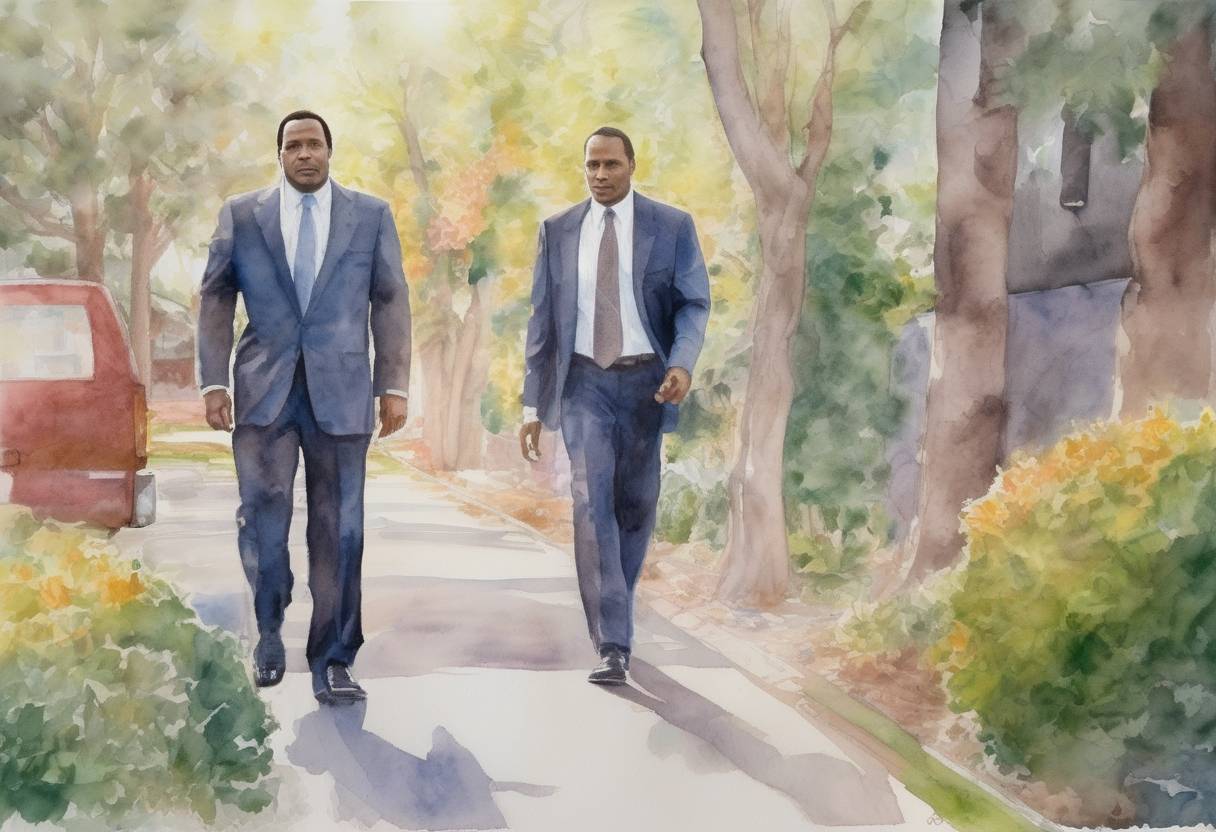
On February 4, 1997, a civil jury in Santa Monica, California, found O.J. Simpson liable for the wrongful deaths of Ron Goldman and Nicole Brown Simpson. This verdict came after a highly publicized criminal trial in which Simpson was acquitted of murder charges in 1995.
The Murders: On June 12, 1994, Nicole Brown Simpson and her friend Ron Goldman were found brutally murdered outside Nicole’s condominium in Los Angeles. O.J. Simpson, a former NFL star and actor, was charged with the murders.
Criminal Trial: The criminal trial, often referred to as “The Trial of the Century,” began in January 1995 and concluded in October 1995 with a not guilty verdict. The trial was notable for its extensive media coverage and the racial tensions it highlighted.
Plaintiffs: The civil lawsuit was brought by the families of Ron Goldman and Nicole Brown Simpson. Unlike the criminal trial, which required proof beyond a reasonable doubt, the civil trial required a preponderance of evidence, a lower standard of proof.
Proceedings: The civil trial began in October 1996. The plaintiffs presented evidence that Simpson was responsible for the deaths, including testimony and forensic evidence that had been part of the criminal trial.
Verdict: On February 4, 1997, the jury found O.J. Simpson liable for the wrongful deaths. The jury awarded \(8.5 million in compensatory damages to the Goldman family and later added \)25 million in punitive damages to be split between the Goldman and Brown families.
Financial Consequences: The verdict had significant financial implications for Simpson, who faced substantial monetary judgments. Efforts to collect these damages have continued over the years, with varying degrees of success.
Public Reaction: The civil trial verdict was met with mixed reactions, reflecting the divided public opinion that had characterized the criminal trial. Some saw it as a form of justice for the victims’ families, while others viewed it as inconsistent with the criminal acquittal.
Legacy: The case remains one of the most famous legal battles in American history, influencing public perceptions of the legal system and media coverage of high-profile trials. It also sparked discussions on issues such as race, domestic violence, and celebrity influence in the justice system.
The civil trial’s outcome underscored the differences between criminal and civil legal standards and highlighted the complexities of seeking justice in high-profile cases.
Source: www.history.com