The Beatles Release "Let It Be" - May 8, 1970
1970 · London, United Kingdom
The Beatles release their final studio album, 'Let It Be.'
November 30, 1979
Pink Floyd released their iconic album 'The Wall', which became one of the best-selling albums of all time.
London, United Kingdom | Pink Floyd
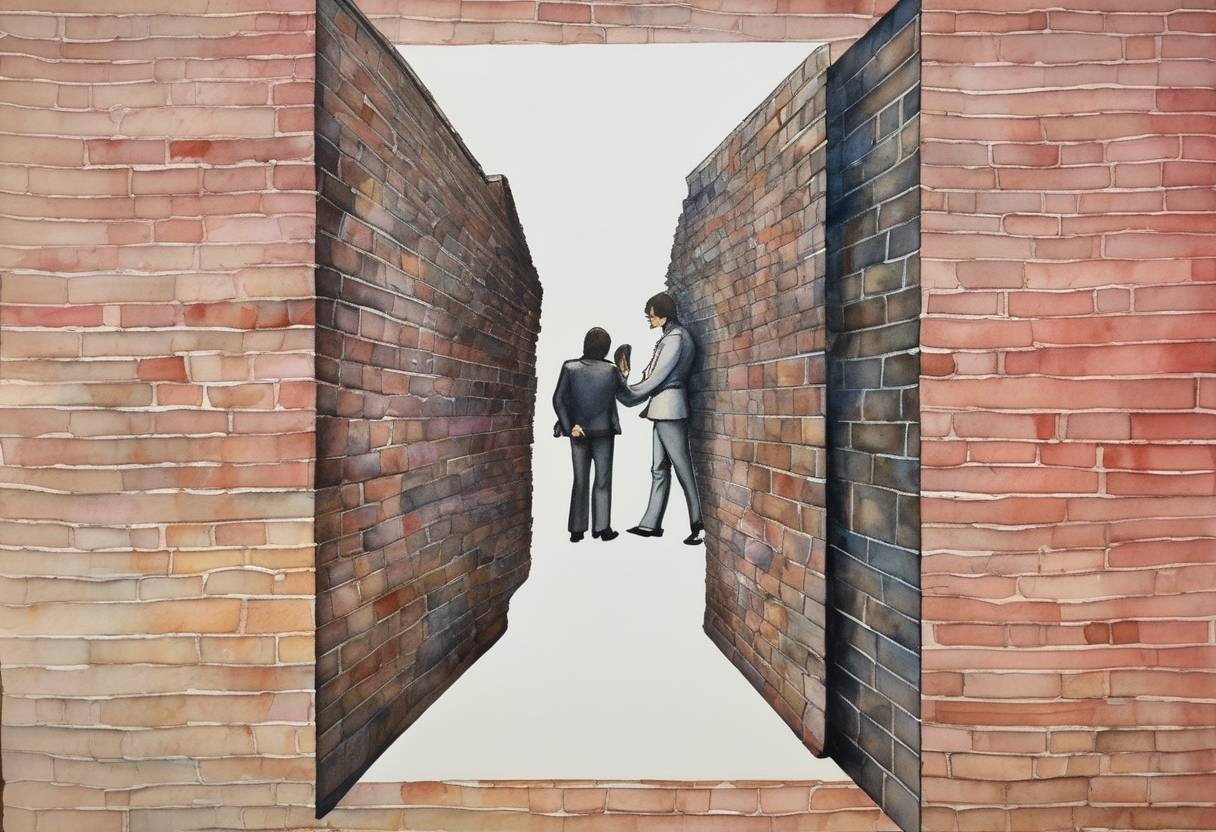
On November 30, 1979, the British rock band Pink Floyd released their iconic double album, The Wall. This ambitious project became one of the best-selling albums of all time and is renowned for its thematic depth and musical innovation.
Pink Floyd, formed in 1965, had already established themselves as pioneers in the progressive rock genre with albums like The Dark Side of the Moon (1973) and Wish You Were Here (1975). By the late 1970s, the band was experiencing internal tensions and creative differences, particularly between bassist and primary lyricist Roger Waters and the other members.
The Wall was largely conceived by Waters, who drew inspiration from his feelings of alienation and the pressures of fame. The album’s concept revolves around a rock star named Pink, who isolates himself from the world by metaphorically building a wall around himself. This narrative explores themes of abandonment, isolation, and the impact of war and authoritarianism.
Conceptual Structure: The Wall is a rock opera, telling a cohesive story across its 26 tracks. It is divided into four sides, each contributing to the overarching narrative of Pink’s psychological journey.
Notable Tracks: The album includes some of Pink Floyd’s most famous songs, such as “Another Brick in the Wall, Part 2,” which became a number one hit in several countries, “Comfortably Numb,” and “Hey You.”
Production: The album was produced by Bob Ezrin, David Gilmour, and Roger Waters. It features elaborate production techniques, including sound effects and orchestral arrangements, which enhance its dramatic and theatrical quality.
Upon its release, The Wall received critical acclaim and commercial success. It topped the charts in multiple countries and has sold over 30 million copies worldwide. The album’s success was bolstered by the release of the single “Another Brick in the Wall, Part 2,” which resonated with audiences for its critique of rigid schooling systems.
Live Performances: Pink Floyd staged elaborate live performances of The Wall, featuring large-scale props and visual effects. These concerts were groundbreaking in their use of multimedia and set a new standard for live rock performances.
Film Adaptation: In 1982, The Wall was adapted into a feature film directed by Alan Parker, with a screenplay by Waters. The film further explored the album’s themes through a combination of live-action and animated sequences.
Legacy: The Wall remains a seminal work in rock music, influencing countless artists and continuing to be celebrated for its artistic ambition and social commentary.
In summary, the release of The Wall on November 30, 1979, marked a significant moment in music history, showcasing Pink Floyd’s creative prowess and leaving a lasting impact on both the music industry and popular culture.
Source: en.wikipedia.org