Attack on the U.S. Embassy Annex in Beirut - September 20, 1984
1984 · Beirut, Lebanon
A suicide bomber in a truck attacked the U.S. Embassy annex in Beirut, Lebanon, killing 24 people, including two Americans.
September 16, 1982
The Sabra and Shatila massacre began in Lebanon, where a large number of Palestinian refugees were killed.
Beirut, Lebanon | Phalangist militia
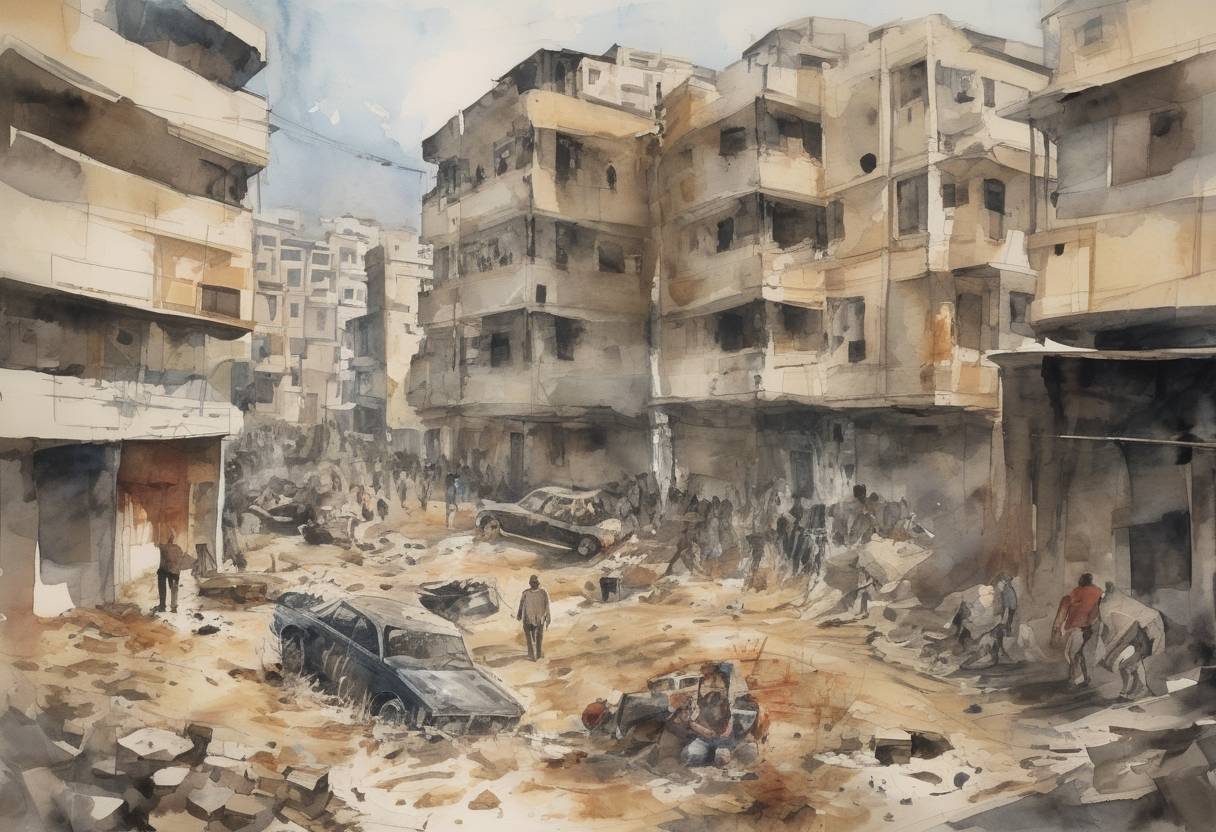
The Sabra and Shatila massacre occurred during the Lebanese Civil War, a multifaceted conflict that lasted from 1975 to 1990, involving various factions and foreign interventions. The massacre took place in the context of the Israeli invasion of Lebanon in 1982, which aimed to expel the Palestine Liberation Organization (PLO) from the country. The invasion led to the siege of Beirut, where many Palestinian refugees resided in camps such as Sabra and Shatila.
Israeli Involvement: On September 15, 1982, the Israeli Defense Forces (IDF) entered West Beirut following the assassination of Lebanese President-elect Bachir Gemayel, leader of the Lebanese Forces, a Christian militia allied with Israel. The IDF surrounded the Sabra and Shatila refugee camps, controlling access to the area.
Phalangist Militia Entry: On September 16, 1982, the IDF allowed the Lebanese Phalangist militia, a Maronite Christian group, to enter the camps. The Phalangists were ostensibly tasked with rooting out PLO fighters, but the PLO had largely evacuated Beirut by this time.
Massacre: Over the next two days, from September 16 to 18, the Phalangist militia systematically killed a large number of Palestinian civilians, including men, women, and children. Estimates of the death toll vary, but it is believed that between 700 and 3,500 people were killed.
International Outcry: The massacre provoked international condemnation and widespread outrage. It highlighted the complexities and brutalities of the Lebanese Civil War and the Israeli-Palestinian conflict.
Kahan Commission: In response to the global backlash, the Israeli government established the Kahan Commission to investigate the events. The commission found that Israeli forces were indirectly responsible for the massacre, as they had facilitated the Phalangists’ entry and failed to prevent the killings. Defense Minister Ariel Sharon was found to bear personal responsibility, leading to his resignation from the post.
Impact on Israeli Politics: The massacre and the subsequent findings of the Kahan Commission had significant political repercussions in Israel, affecting public opinion and leading to protests against the government’s handling of the Lebanon War.
Long-term Implications: The massacre remains a poignant symbol of the violence and suffering endured by Palestinian refugees and continues to influence the discourse on accountability and justice in conflict zones.
The Sabra and Shatila massacre is a stark reminder of the human cost of war and the importance of protecting civilian populations in conflict areas.
Source: en.wikipedia.org