The End of the 2018 United States Government Shutdown
2018 · Washington D.C., United States
The United States government shutdown ended after three days, as the Senate voted to reopen the government following a temporary funding bill agreement.
October 16, 2013
The United States ends a 16-day government shutdown and raises the debt ceiling after Congress passes a bill to fund the government.
Washington D.C., United States | United States Congress
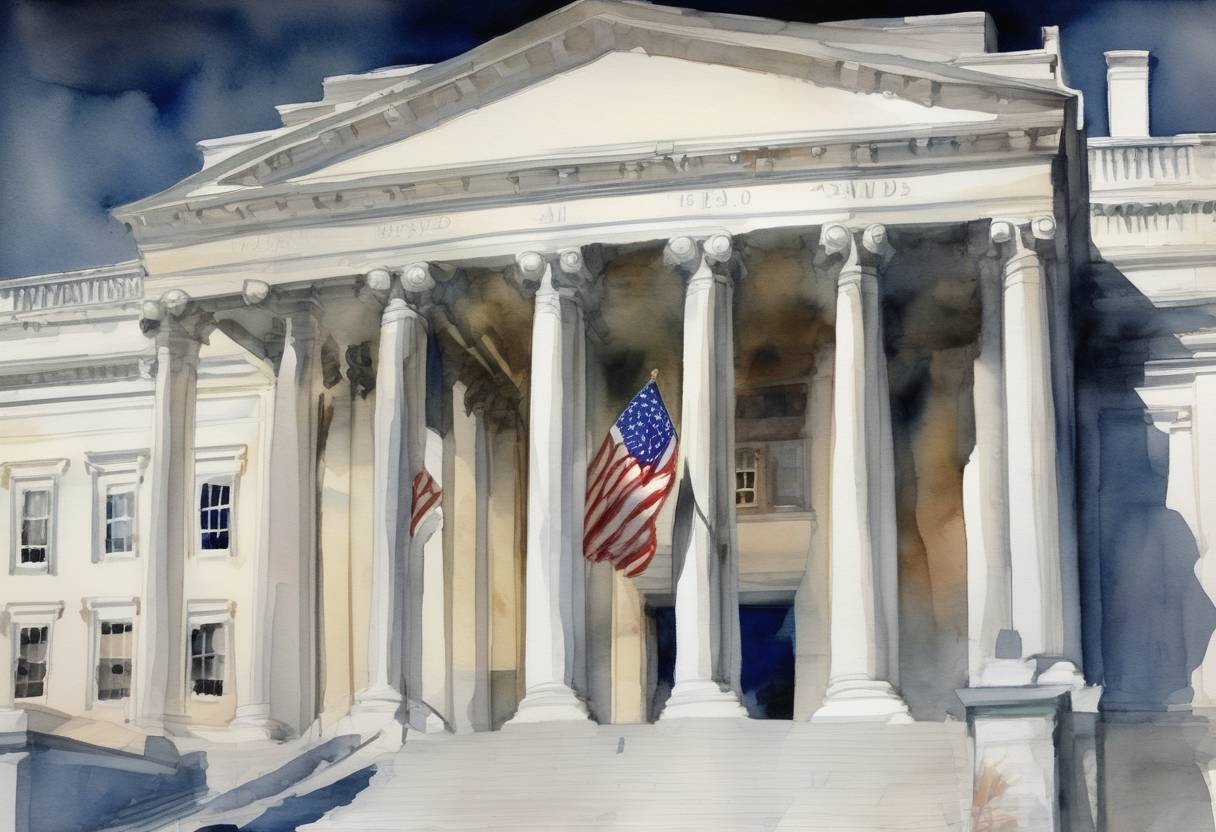
On October 16, 2013, the United States government concluded a 16-day shutdown after Congress passed a critical bill to fund the government and raise the debt ceiling. This event marked the resolution of a significant fiscal standoff that had substantial political and economic implications.
The shutdown began on October 1, 2013, triggered by a deadlock in Congress over the federal budget. The primary point of contention was the Affordable Care Act (ACA), commonly known as Obamacare. The Republican-controlled House of Representatives sought to defund or delay the ACA as part of the budget negotiations, while the Democratic-controlled Senate and President Barack Obama insisted on a clean funding bill without conditions related to the ACA.
Simultaneously, the U.S. was approaching its debt ceiling—the maximum amount the government is authorized to borrow to meet its existing legal obligations. Failure to raise the debt ceiling would have led to a default on government debt, with potentially catastrophic economic consequences.
Partisan Standoff: The shutdown reflected deep partisan divisions, with Republicans and Democrats unable to reach a consensus on budgetary issues and healthcare reforms.
Economic Concerns: The shutdown and looming debt ceiling crisis raised concerns domestically and internationally about the stability of the U.S. economy. Economists warned that a default could trigger a financial crisis.
Public Pressure: As the shutdown continued, public pressure mounted on lawmakers to resolve the impasse. Many federal employees were furloughed, and government services were disrupted, affecting millions of Americans.
On October 16, 2013, Congress passed the “Continuing Appropriations Act, 2014,” which was signed into law by President Obama. The key components of the resolution included:
Government Funding: The bill provided funding to reopen the government, allowing it to operate until January 15, 2014.
Debt Ceiling Increase: The legislation temporarily raised the debt ceiling, extending the borrowing limit until February 7, 2014, thus averting a potential default.
Bipartisan Negotiations: The agreement was reached after extensive negotiations between Senate Majority Leader Harry Reid and Senate Minority Leader Mitch McConnell, highlighting the necessity of bipartisan cooperation.
Economic Impact: The shutdown cost the U.S. economy an estimated $24 billion and affected GDP growth. It also led to a temporary loss of confidence in U.S. fiscal management.
Political Repercussions: The event underscored the deep political divisions in the U.S. and set the stage for future budgetary and fiscal debates. It also influenced the 2014 midterm elections, where Republicans gained control of the Senate.
Legislative Lessons: The crisis highlighted the need for more effective legislative processes to prevent similar standoffs and emphasized the importance of compromise in governance.
The resolution of the 2013 government shutdown and debt ceiling crisis was a pivotal moment in U.S. political history, demonstrating the complexities of fiscal policy and the challenges of partisan politics.
Source: www.nytimes.com