The March on Rome: October 28, 1922
1922 · Rome, Italy
Italian fascists led by Benito Mussolini march on Rome, leading to Mussolini's appointment as Prime Minister.
March 23, 1919
Benito Mussolini founded the Italian Fascist movement in Milan.
Milan, Italy | Fascist Party
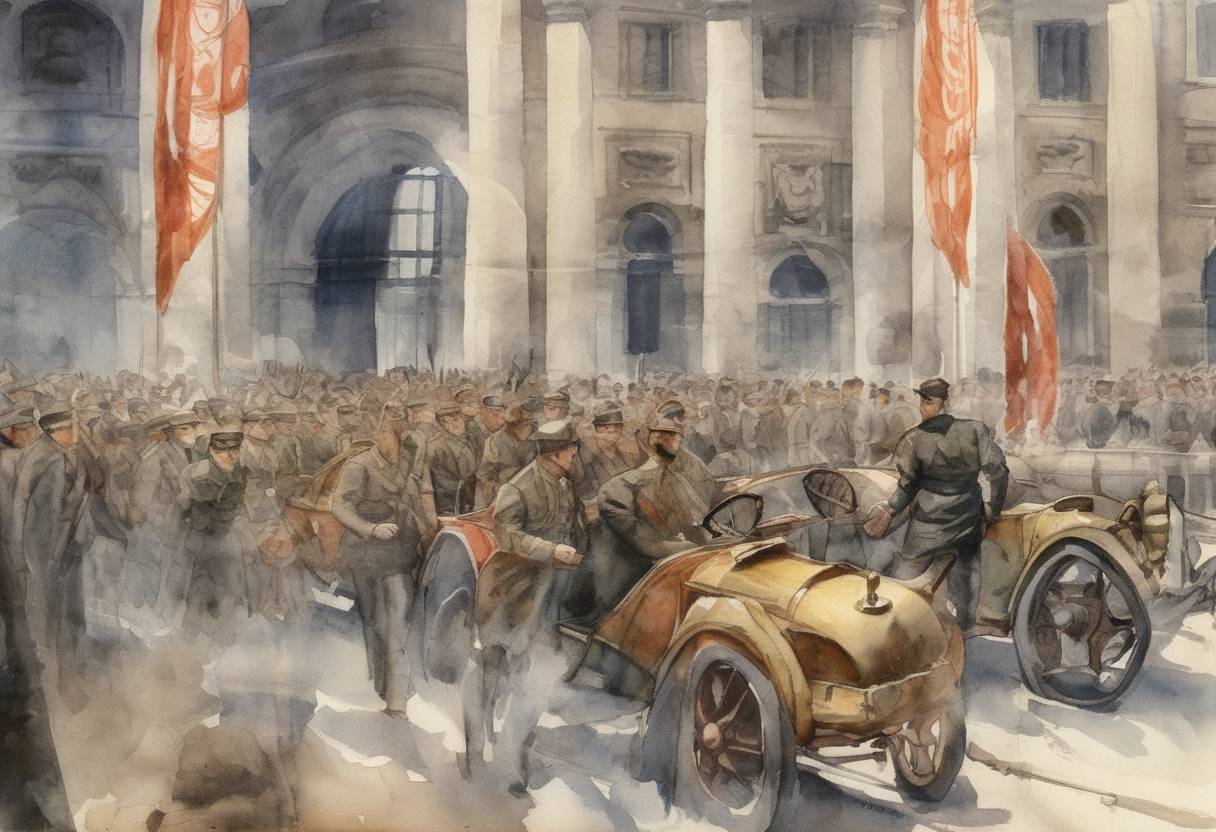
On March 23, 1919, Benito Mussolini founded the Italian Fascist movement in Milan, marking a pivotal moment in 20th-century history. This event laid the groundwork for the rise of Fascism in Italy, which would have profound implications for both the country and the world.
Post-World War I Italy: Italy emerged from World War I with significant social and economic challenges. Despite being on the winning side, Italy felt shortchanged by the Treaty of Versailles, which did not grant it all the territorial gains it had been promised. This led to widespread dissatisfaction and a sense of national humiliation.
Economic and Social Turmoil: The post-war period was marked by economic instability, high unemployment, and social unrest. Strikes and protests were common, and there was a growing fear of socialism and communism, especially after the Russian Revolution of 1917.
Mussolini’s Background: Benito Mussolini was originally a socialist and editor of the socialist newspaper “Avanti!” However, his views shifted during the war, and he began advocating for a nationalist and militaristic ideology.
Location and Participants: The meeting took place at the Piazza San Sepolcro in Milan. It was attended by around 100 people, including war veterans, nationalists, and former socialists.
Formation of the Fasci di Combattimento: Mussolini and his followers established the “Fasci Italiani di Combattimento” (Italian Combat Leagues). The movement was characterized by its opposition to socialism and communism, its nationalist rhetoric, and its emphasis on action and violence as political tools.
Core Principles: The early Fascist movement was not yet a fully developed ideology but was centered around nationalism, anti-socialism, and a desire for strong leadership. It sought to unify Italians under a single national identity and restore Italy’s greatness.
Appeal to Veterans: The movement particularly appealed to war veterans who felt alienated and disillusioned by the post-war situation. Mussolini promised to restore their honor and provide a sense of purpose.
Rise to Power: The Fascist movement gained momentum throughout the early 1920s, capitalizing on the political instability and fears of a socialist revolution. Mussolini’s Blackshirts, a paramilitary wing of the movement, played a significant role in intimidating opponents and consolidating power.
March on Rome: In October 1922, Mussolini and his followers staged the March on Rome, which led to King Victor Emmanuel III inviting Mussolini to form a government. This marked the beginning of Fascist rule in Italy.
Impact on World History: Mussolini’s establishment of a Fascist regime in Italy served as a model for other authoritarian movements, most notably influencing Adolf Hitler and the rise of Nazism in Germany. The Fascist ideology contributed to the conditions leading to World War II and had lasting impacts on global politics.
The founding of the Italian Fascist movement was a critical juncture in history, setting the stage for the tumultuous events of the interwar period and beyond.
Source: en.wikipedia.org