2012 · Western Pacific Ocean, Philippines
Typhoon Bopha, known in the Philippines as Typhoon Pablo, formed in the western Pacific Ocean and later became one of the deadliest typhoons to hit the Philippines.
December 18, 2021
Super Typhoon Rai (known in the Philippines as Typhoon Odette) makes landfall in the Philippines, causing widespread devastation across Visayas and Mindanao regions.
Visayas, Philippines | Philippine Atmospheric, Geophysical and Astronomical Services Administration (PAGASA)
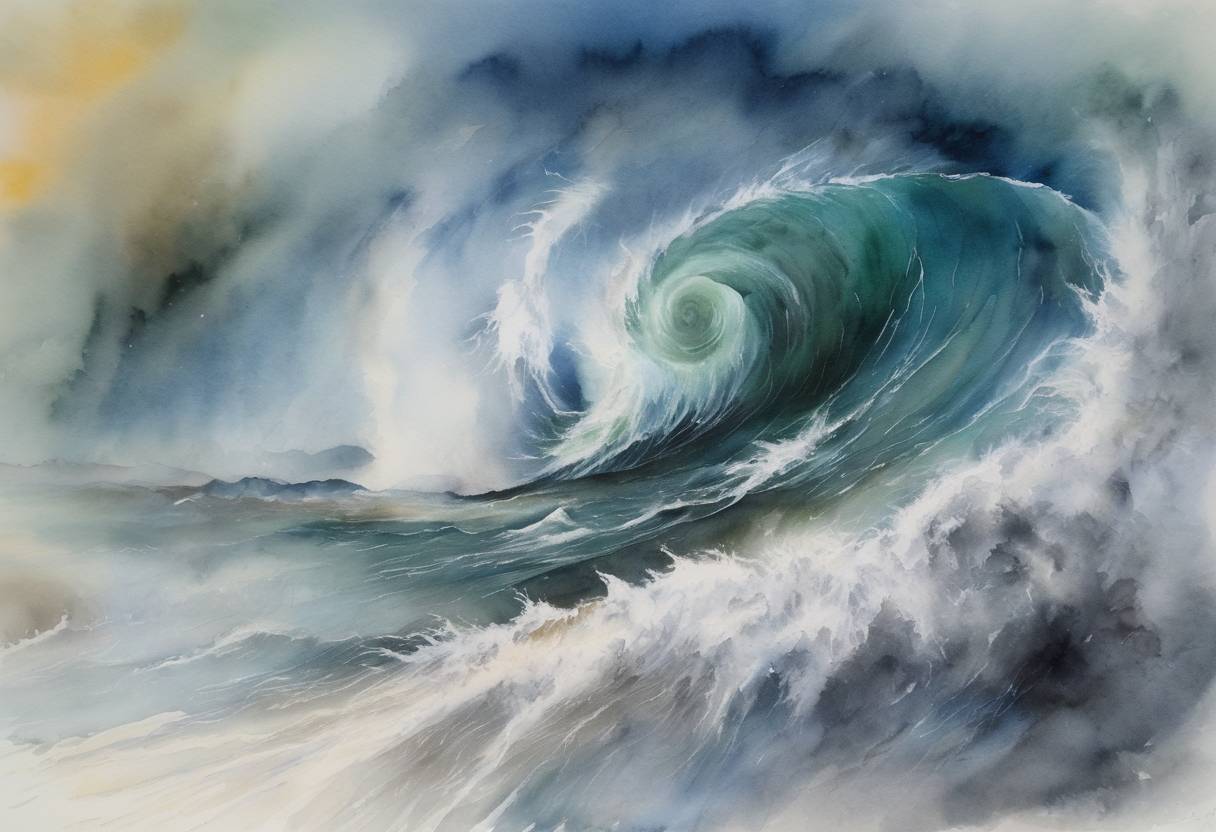
Date: December 16, 2021
Super Typhoon Rai, locally known as Typhoon Odette, made its first landfall in the Philippines on December 16, 2021, causing widespread devastation across the Visayas and Mindanao regions. This Category 5 typhoon was one of the most powerful to hit the Philippines in 2021.
Typhoon Rai formed on December 12, 2021, in the eastern part of the Philippines Sea. It rapidly intensified as it approached the Philippines, becoming a super typhoon by December 16. The prediction models had indicated that Rai would bring violent winds, torrential rain, and storm surges, prompting wide-scale evacuations and disaster preparations across the anticipated affected regions.
Both the national government and international bodies mobilized immediate response efforts. Humanitarian aid, including food, water, and shelter, was delivered by the Philippine government, NGOs, and international partners. Restoration of power, communication, and rebuilding of infrastructure were prioritized in the subsequent recovery phases.
Super Typhoon Rai highlighted the vulnerability of the Philippines to natural disasters, particularly in the context of climate change. The intensity and destruction underscored the need for improved disaster preparedness and resilience strategies to minimize future risks associated with such extreme weather events.
Source: www.bbc.com