Thomas Edison's Demonstration of Incandescent Lighting
1879 · Menlo Park, United States
Thomas Edison demonstrated incandescent lighting to the public for the first time in Menlo Park, New Jersey, revolutionizing the use of electric light.
October 15, 1878
The Edison Electric Light Company was incorporated, paving the way for significant advancements in electric lighting.
New York City, United States | Edison Electric Light Company
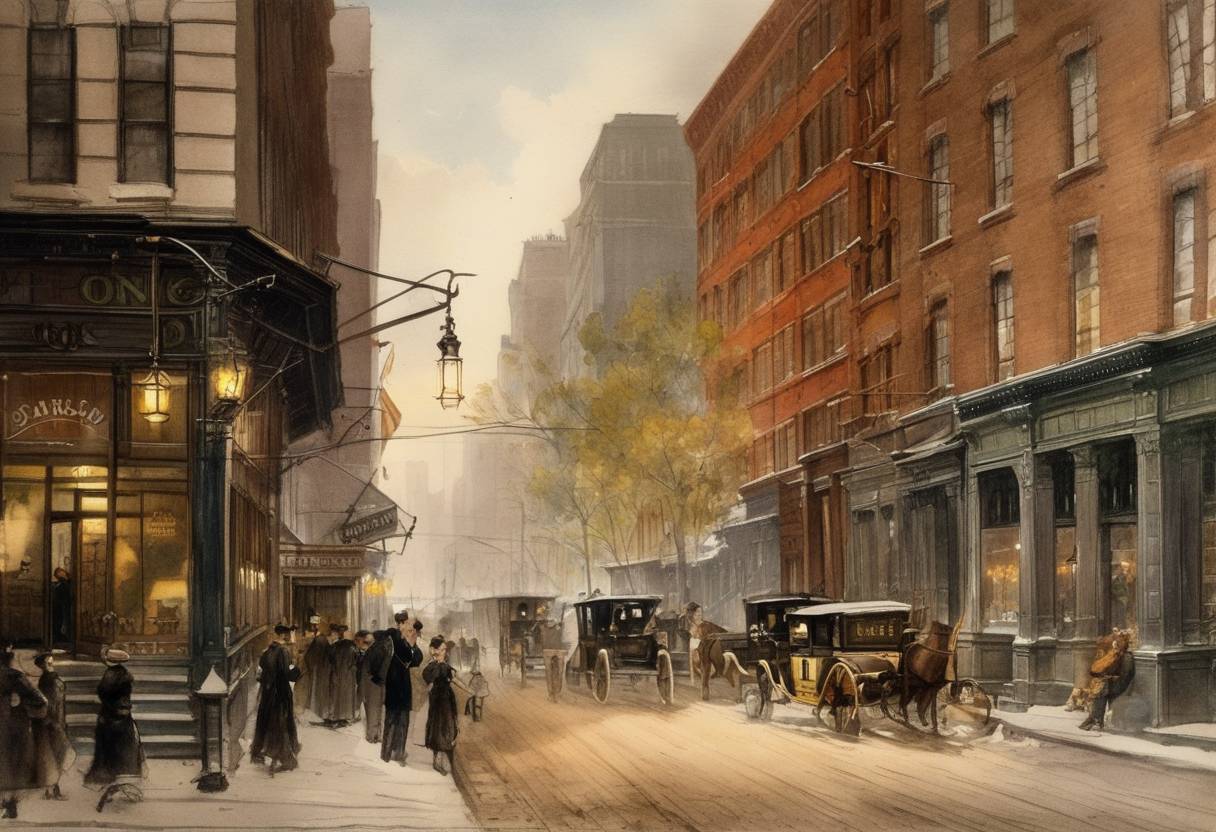
On October 15, 1878, The Edison Electric Light Company was incorporated, marking a pivotal moment in the history of electric power and illumination. This event signaled a significant advancement in the field of electrical engineering and set the stage for the widespread adoption of electric lighting.
Thomas Edison, an American inventor and entrepreneur, embarked on the development of a practical and affordable electric light system in the late 1870s. Prior to the incorporation, the predominant method of lighting was gas lighting, which had several drawbacks, including safety risks and high costs. Edison’s vision was to create an incandescent light bulb that was safe, efficient, and accessible to the public.
The Edison Electric Light Company was formed to finance Edison’s ambitious electric lighting experiments and to commercialize the future inventions resulting from his research. The incorporation occurred in New York City, and the company was capitalized with funds from several investors, including J.P. Morgan and members of the Vanderbilt family, reflecting significant confidence in Edison’s vision.
The company’s establishment allowed for focused research and experimentation, leading to a series of groundbreaking developments:
The Carbon Filament Bulb: In 1879, just a year after incorporation, Edison and his team successfully developed a practical incandescent light bulb using a carbon filament. This invention was crucial in making electric lighting a viable alternative to gas lighting.
The Electric Light System: Beyond the light bulb itself, Edison designed an entire distribution system comprising generators, underground conductors, and infrastructure to support the lighting utility. He filed patents for this comprehensive system, further solidifying his role as a key figure in electrification.
The incorporation of The Edison Electric Light Company was instrumental in the electrification of urban areas across the United States and eventually, the world. This move enhanced industrial productivity, improved quality of life, and catalyzed further innovations in electrical technologies. The success of the company contributed foundational elements to what would become General Electric, one of the largest and most enduring firms in the electrical and technology sectors today.
The achievements stemming from this incorporation not only cemented Thomas Edison’s legacy as the “Wizard of Menlo Park” but also showcased the transformative power of electricity, spearheading a new era in human development.
Source: en.wikipedia.org