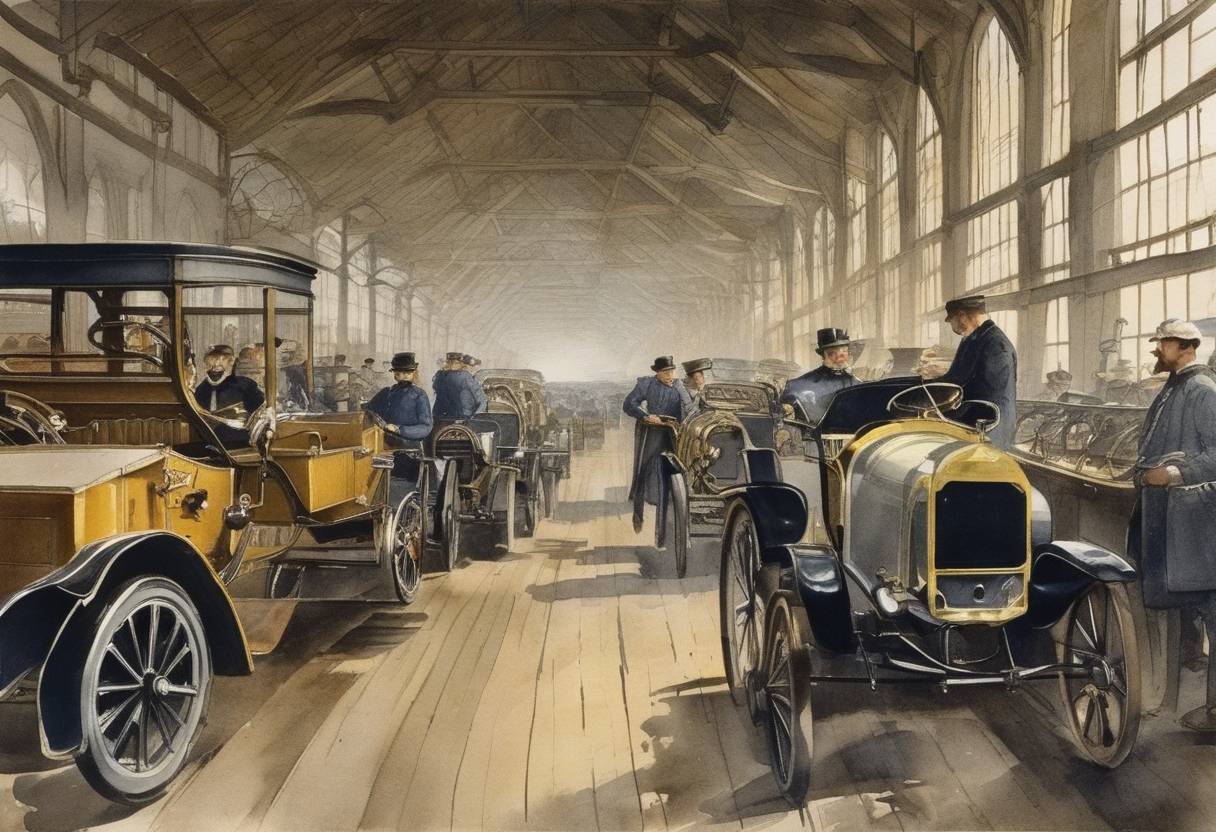
Opel Begins Automobile Production - January 21, 1899
On January 21, 1899, Opel, a renowned German company originally established as a manufacturer of sewing machines, marked a significant transition in its industrial pursuits by entering the automotive industry. Founded in 1862 by Adam Opel, the company ventured into the production of bicycles in 1886 before deciding to expand its horizons further into the emerging automobile sector.
Background and Context
- Company Origins: Adam Opel initially founded the company to produce sewing machines and became one of the largest producers in Germany by the late 19th century.
- Shift to Bicycles: In response to consumer demand and technological advancements, Opel diversified its product line to include bicycles. By the mid-1890s, Opel was Germany’s leading bicycle manufacturer.
Transition to Automobiles
- Strategic Decision: The decision to manufacture automobiles was influenced by the rapid growth of the auto industry in Europe and the pioneering spirit of Adam Opel’s sons, who took over the business after his death in 1895.
- Partnership with Lutzmann: Opel partnered with Friedrich Lutzmann, a car designer and engineer, to facilitate the transition. This collaboration led to the design and production of Opel’s first automobile.
The First Opel Automobile
- Model: The vehicle, often referred to as the Opel-Lutzmann, was based on Lutzmann’s horseless carriage design and featured a 3.5 horsepower engine.
- Manufacturing Milestone: Opel’s inaugural vehicle marked the company’s official entry into the automobile manufacturing industry, marking a pivotal transformation for the brand.
Impact and Historical Significance
- Expansion and Innovation: The transition into automobiles set the foundation for Opel’s future advancements and innovations in the automobile sector. The company would go on to become a significant player in the European automotive market.
- Legacy: Opel’s venture into car manufacturing symbolized the broader industrial and technological shifts occurring in Europe at the turn of the 20th century, representing a move towards mechanization and modern transportation solutions.
This day marks a key chapter in Opel’s history as the company successfully pivoted from traditional manufacturing to embrace the technological advancements of the automotive age.