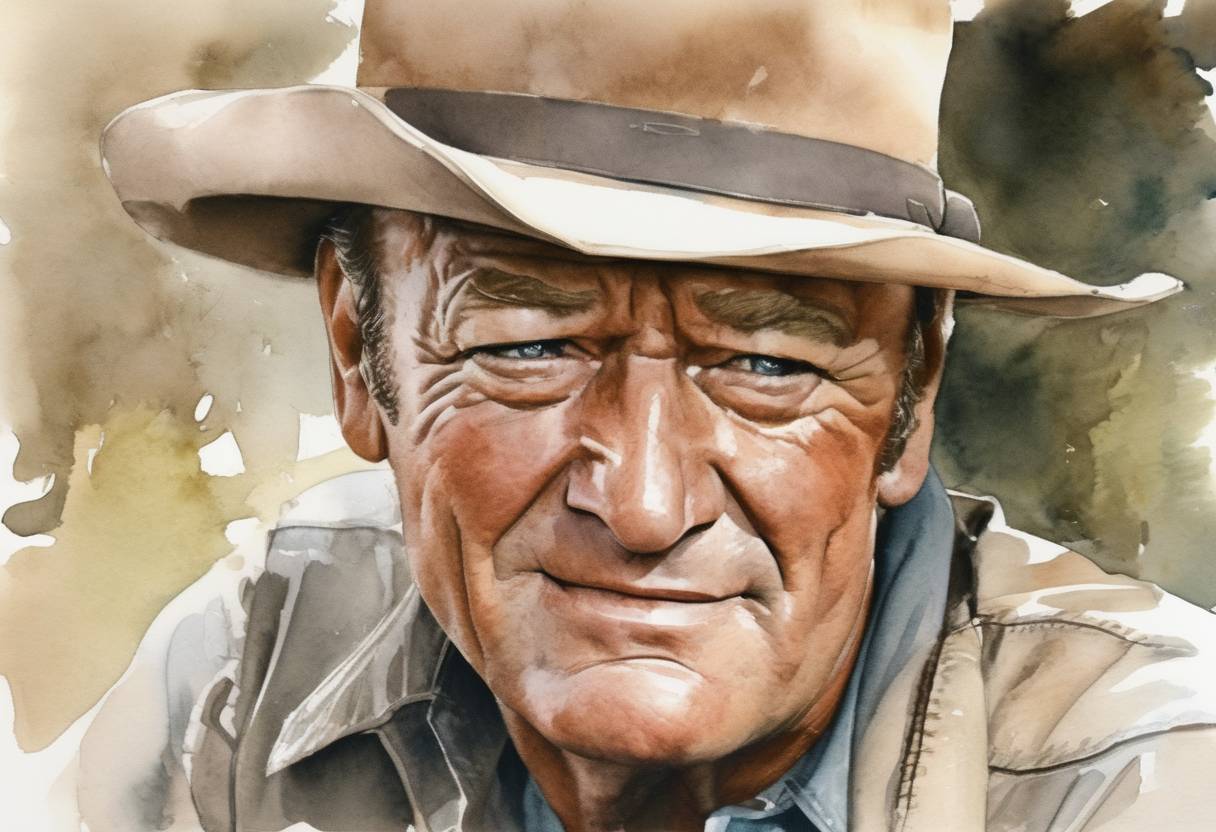
John Wayne: The Passing of an American Film Icon
On June 11, 1979, John Wayne, one of the most iconic figures in American cinema, passed away at the age of 72. Known for his distinctive voice, imposing stature, and rugged persona, Wayne became a symbol of American masculinity and the quintessential Western hero.
Early Life and Career
John Wayne was born Marion Robert Morrison on May 26, 1907, in Winterset, Iowa. His family moved to Southern California, where he attended the University of Southern California on a football scholarship. An injury cut short his athletic career, leading him to work in the film industry, initially in minor roles and as a prop boy.
Wayne’s breakthrough came in 1939 with the film Stagecoach, directed by John Ford. This role catapulted him to stardom and established him as a leading actor in Hollywood.
Career Highlights
Throughout his career, John Wayne appeared in over 170 films, spanning various genres but most notably Westerns and war films. Some of his most celebrated works include:
- “Red River” (1948): A classic Western directed by Howard Hawks, showcasing Wayne’s ability to portray complex characters.
- “The Searchers” (1956): Directed by John Ford, this film is often cited as one of the greatest Westerns ever made, with Wayne delivering a powerful performance.
- “True Grit” (1969): Wayne won his only Academy Award for Best Actor for his role as Rooster Cogburn, a grizzled U.S. Marshal.
Legacy and Impact
John Wayne’s influence extended beyond his film roles. He became a cultural icon, representing the rugged individualism and frontier spirit of America. His conservative political views and outspoken patriotism also made him a prominent figure in American public life.
Wayne’s impact on the film industry is enduring, with his films continuing to be celebrated for their storytelling and his performances. His persona has influenced countless actors and filmmakers, and he remains a symbol of the classic American hero.
Death and Aftermath
John Wayne died of stomach cancer at the UCLA Medical Center in Los Angeles. His death marked the end of an era in Hollywood, but his legacy lives on through his films and the indelible mark he left on American culture.
In recognition of his contributions, Wayne was posthumously awarded the Congressional Gold Medal and the Presidential Medal of Freedom, underscoring his status as a national treasure.
John Wayne’s life and career continue to be studied and celebrated, reflecting the enduring appeal of his work and the values he embodied on screen.