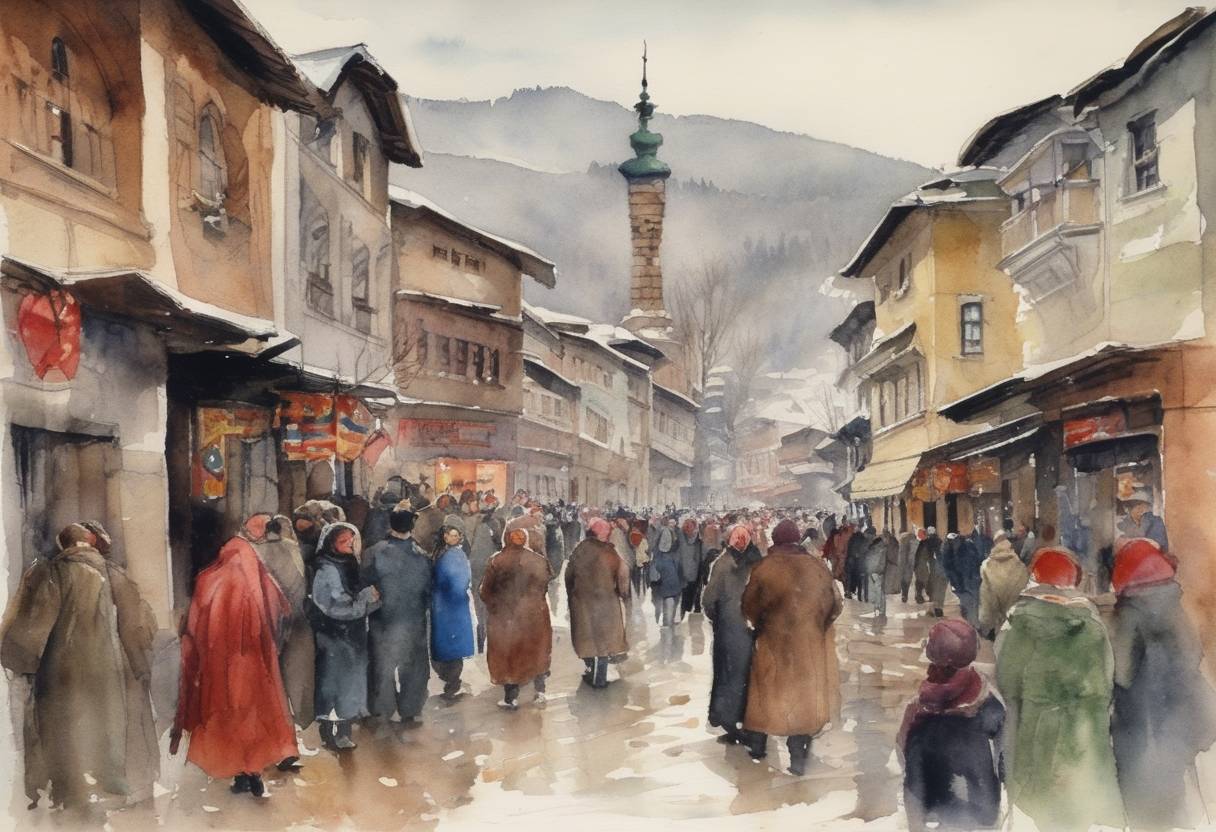
Bosnian Serb New Year Celebration: February 4, 1995
On February 4, 1995, the Bosnian Serb community celebrated their New Year for the first time free from violence, symbolizing a critical although tentative step toward peace amidst the turbulent backdrop of the Yugoslav Wars. This event was significant in the context of the Bosnian War, which raged from 1992 to 1995, causing immense suffering and loss.
Context of the Yugoslav Wars
The breakup of Yugoslavia in the early 1990s led to several conflicts as various ethnic groups sought independence or dominance in the chaotic political landscape. The Bosnian War was marked by severe ethnic tensions among Bosniaks, Croats, and Serbs, leading to widespread atrocities and ethnic cleansing, which underscored the devastating nature of the conflict.
Significance of the Peaceful Celebration
The peaceful observance of the New Year by Bosnian Serbs was a notable departure from the previous years of conflict and violence that engulfed the region. It showed a degree of normalcy returning to parts of Bosnia where the war’s temperature had lowered, reflecting the tentative movements towards stability and reconciliation efforts influencing the region.
Steps Toward Peace
The tranquility of the New Year celebration pointed to successful preliminary peace efforts, including diplomatic negotiations and international interventions aimed at ending ethnic hostilities and establishing lasting peace. These efforts, while still in fragile stages, would eventually anchor the peace process that led to the Dayton Accords signed later in 1995, which formally ended the Bosnian War.
Broader Historical Impact
This event was emblematic of the cautious optimism and the persistent pursuit of peace that characterized 1995 in Bosnia. While violence did not cease immediately and challenges remained, such peaceful occurrences were crucial in contributing to the broader peace process in the Balkans, illustrating the power of reconciliation and diplomacy even amidst ongoing conflict.
The peaceful New Year of 1995 remains a poignant reminder of the complex path toward resolution in regions marred by ethnic hostilities and conflict, and it underlines the importance of continued support and engagement from the international community to sustain peace efforts.