Bucharest Proclaimed the Capital of Romania on January 24, 1862
1862 · Bucharest, Romania
Bucharest was proclaimed the capital of Romania.
November 17, 1885
The Serbian-Bulgarian War ended with the signing of a treaty.
Bucharest, Romania
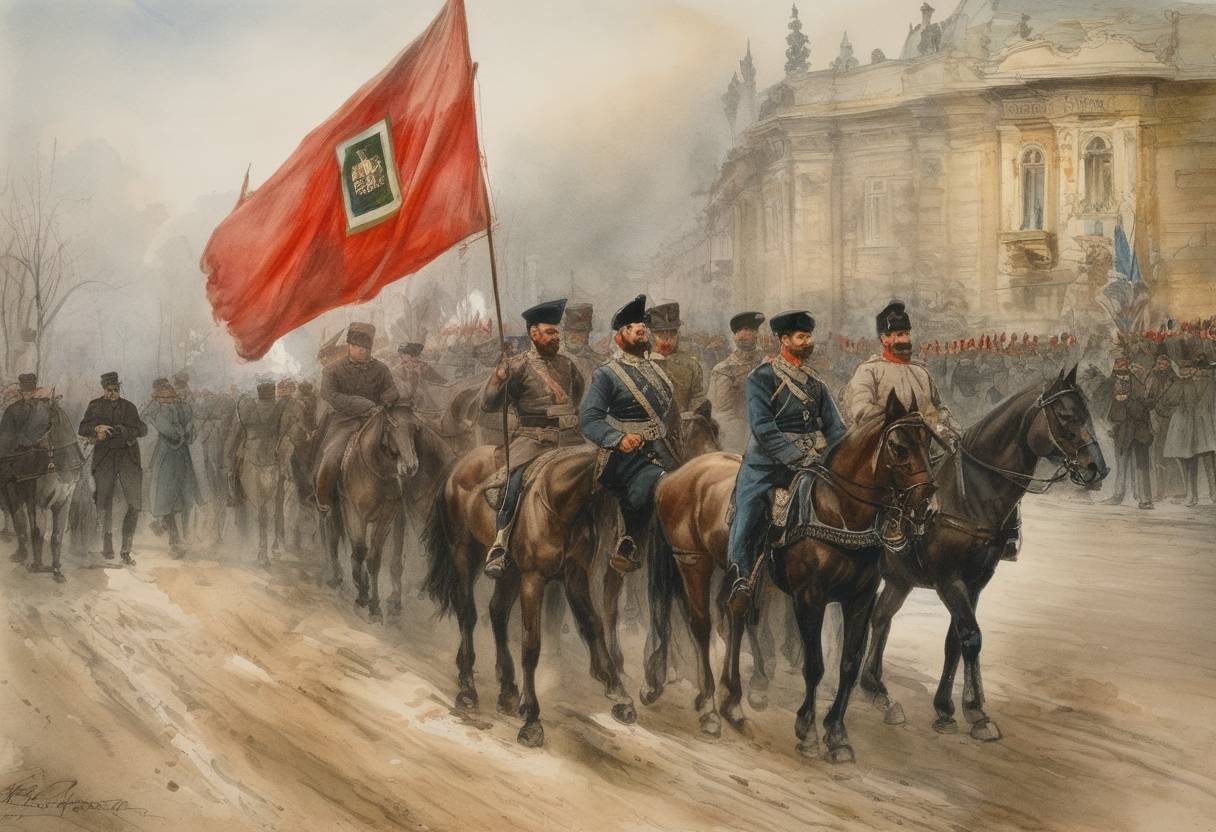
The Serbian-Bulgarian War, a conflict primarily over territorial disputes following the unification of Bulgaria, concluded on November 17, 1885, with the signing of a treaty.
Following Bulgaria’s successful unification with Eastern Rumelia on September 6, 1885, Serbia, under King Milan I, sought territorial expansion and compensation for the shift in regional balance. This conflict was driven by Serbia’s ambition to assert its dominance in the Balkans and its dissatisfaction with the new status quo.
The war began on November 14, 1885, escalating quickly as Serbian forces invaded Bulgaria. Despite initial Serbian advantages, the Bulgarian army, under the command of Prince Alexander of Battenberg, effectively repelled the invasion. A pivotal moment occurred at the Battle of Slivnitsa, from November 17 to November 19, 1885, where Bulgarian forces successfully defended their territory, turning the tide of the conflict.
The hostilities formally ceased with the signing of the Treaty of Bucharest on November 17, 1885. The treaty reinstated the status quo ante bellum, with no territorial changes enforced upon either nation. The agreement, largely influenced by the Great Powers of Europe, aimed to maintain peace in the Balkans and halt further escalation that could draw in other nations.
The resolution of the Serbian-Bulgarian War and the subsequent treaty highlighted the fragile nature of the Balkan political landscape in the late 19th century. It underscored the role of external powers in dictating regional peace and the limits of nationalist aspirations at the time. The conclusion of this conflict also strengthened Bulgaria’s position and demonstrated the viability of its military forces, while Serbia had to reconsider its strategic approach in the aftermath of a diplomatically and militarily complex conflict.
Source: www.britannica.com