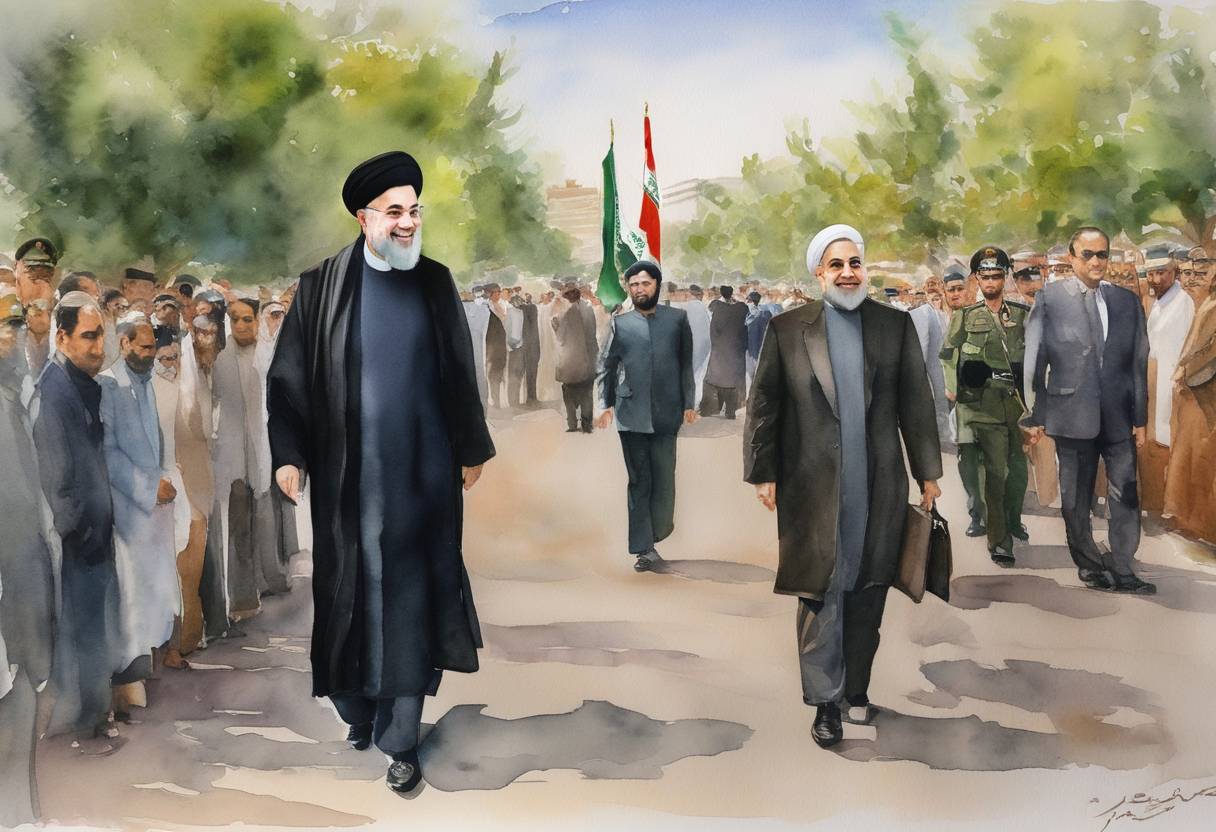
Election of Hassan Rouhani as President of Iran
On June 16, 2013, Hassan Rouhani was elected as the President of Iran, succeeding Mahmoud Ahmadinejad. This marked a significant shift in Iranian politics, leaning towards moderation and improved international relations.
Context
Prior to Rouhani’s election, Mahmoud Ahmadinejad’s presidency was characterized by a hardline conservative stance, increased tensions with Western countries over Iran’s nuclear program, and economic instability exacerbated by international sanctions.
Election Details
Hassan Rouhani, a cleric and long-time insider within Iran’s political system, campaigned on a platform of economic reform, engagement with the West, and civil liberties. Known for his conciliatory and pragmatic approach, Rouhani appealed to both reformists and those disillusioned by the status quo, resulting in a voter turnout of over 72%. Rouhani won a decisive victory, securing over 50% of the votes, thus avoiding a runoff.
Key Policies and Impact
Economic and Nuclear Policy
Rouhani’s election promised a departure from Ahmadinejad’s isolationist policies. He sought to stabilize Iran’s economy by lifting international sanctions. A major focus was on the controversial nuclear program, leading to the landmark Joint Comprehensive Plan of Action (JCPOA) agreement in 2015 with world powers, which curbed Iran’s nuclear activities in exchange for sanction relief.
Social and Political Changes
Though facing limitations from Iran’s Supreme Leader and conservative factions, Rouhani advocated for greater social freedoms, including easing censorship norms and increasing women’s rights. He also sought to strengthen Iran’s regional influence through strategic diplomatic engagements.
Aftermath and Significance
Rouhani’s presidency marked a critical juncture for Iran, reflecting a populace eager for change amidst geopolitical tensions. His election symbolized hope for bridging gaps with the international community and achieving domestic reforms, impacting Iran’s socio-political landscape significantly during his tenure.
Despite challenges and criticisms for not fulfilling all campaign promises, Rouhani’s presidency is notable for its efforts towards moderation and international diplomacy, laying the groundwork for future political transformations in Iran.