Announcement of the Hydrogen Bomb Development by President Truman
1953 · Washington, D.C., United States
U.S. President Harry S. Truman announced the United States had developed a hydrogen bomb, escalating the nuclear arms race during the Cold War.
November 21, 1950
Two Puerto Rican nationalists, Griselio Torresola and Oscar Collazo, attempted to assassinate President Harry S. Truman at Blair House.
Washington, D.C., United States | Puerto Rican Nationalist Party
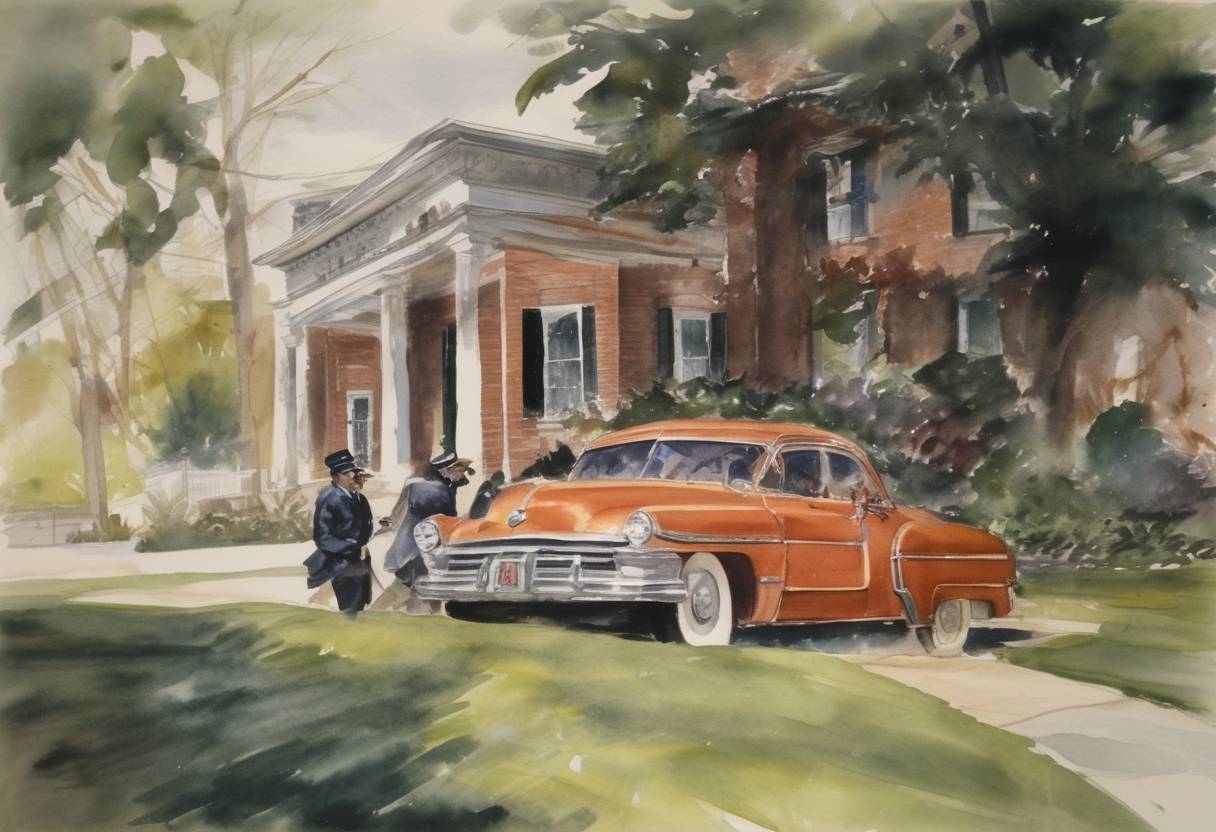
On November 1, 1950, two Puerto Rican nationalists, Griselio Torresola and Oscar Collazo, attempted to assassinate President Harry S. Truman while he was residing at Blair House, the temporary executive residence in Washington, D.C.
The assassination attempt was driven by a desire to highlight the cause for Puerto Rican independence from United States rule. At the time, tensions between Puerto Rican nationalists and the U.S. government were high, as Puerto Rico’s political status and autonomy were contentious issues. The attackers were members of the Nationalist Party, which sought to free Puerto Rico from U.S. control.
Griselio Torresola approached Blair House from the west side, while Oscar Collazo attempted to enter from the east. Torresola’s expertise with firearms enabled him to fatally wound White House Policeman Leslie Coffelt before he himself was shot by other responding officers. Despite being mortally wounded, Coffelt managed to return fire, killing Torresola. Collazo was shot and apprehended before he could enter the building.
During the attack, President Truman was staying at Blair House due to ongoing renovations at the White House. He was inside the residence and heard gunfire from his location. Prompt response by security personnel ensured his safety throughout the incident.
Oscar Collazo: After his capture, Collazo was sentenced to death, a verdict later commuted to life imprisonment by President Truman. He was eventually released in 1979, after 29 years in prison, due to a conditional clemency granted by President Jimmy Carter.
Impact on Security: The attempt highlighted vulnerabilities in presidential security, leading to eventual changes in how presidential protection was addressed, emphasizing greater caution and strategic planning.
The attack was emblematic of the political unrest regarding Puerto Rico’s status and underscored the lengths to which some activists were willing to go to draw attention to their cause. It remains a significant event in the history of Puerto Rican activism and U.S. presidential security protocols.
The incident is also a poignant reminder of the volatile political landscape of the mid-20th century, wherein acts of violence were sometimes used as tools of political expression and change.
Source: www.trumanlibrary.gov