Cannikin Test on Amchitka Island - November 6, 1971
1971 · Amchitka Island, United States
The United States Atomic Energy Commission tested the largest underground hydrogen bomb, codenamed Cannikin, on Amchitka Island in Alaska.
December 20, 1951
The experimental Breeder Reactor I in Idaho produced electricity for the first time, marking a milestone in nuclear power development.
Arco, United States | United States Atomic Energy Commission
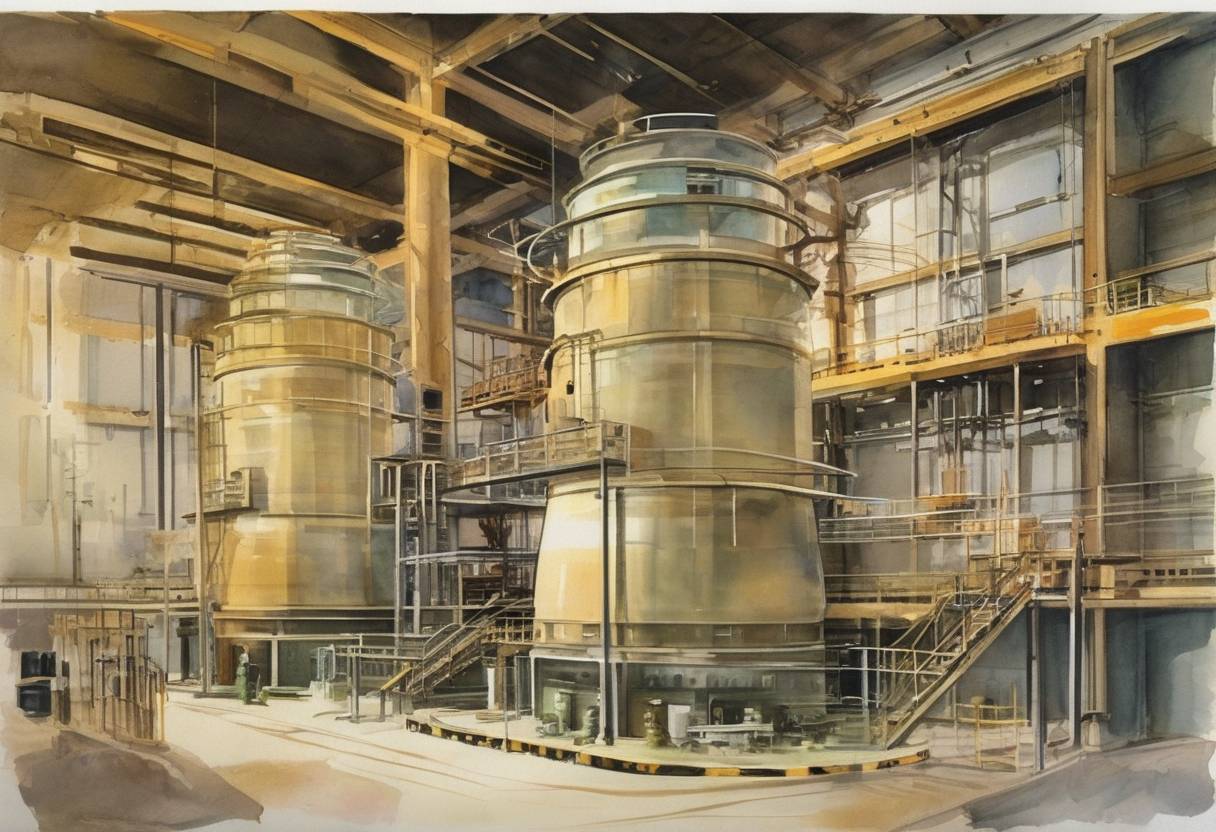
On December 20, 1951, the Experimental Breeder Reactor I (EBR-I) in Idaho made history by becoming the first nuclear reactor to produce electricity. This event marked a significant milestone in the development of nuclear power, showcasing the potential of nuclear energy as a viable source of electricity.
The EBR-I was part of the National Reactor Testing Station, now known as the Idaho National Laboratory, located near Arco, Idaho. It was designed and constructed under the direction of the Argonne National Laboratory, with Walter Zinn serving as the project leader. The reactor was a pioneering effort in the exploration of breeder reactor technology, which aimed to generate more fissile material than it consumed.
On that historic day, the EBR-I generated enough electricity to illuminate four 200-watt light bulbs. Although the amount of electricity produced was modest, it demonstrated the feasibility of nuclear power generation. The successful operation of EBR-I was a testament to the potential of nuclear reactors to provide a new source of energy, distinct from traditional fossil fuels.
The success of EBR-I paved the way for further advancements in nuclear technology. It demonstrated the practicality of nuclear power and spurred interest and investment in nuclear energy research and development worldwide. The reactor continued to operate until 1964, contributing valuable data and insights into reactor design and operation.
In 1966, EBR-I was designated a National Historic Landmark, recognizing its pivotal role in the history of nuclear energy. Today, it stands as a museum, offering visitors a glimpse into the early days of nuclear power development.
The achievements of EBR-I laid the groundwork for the development of commercial nuclear power plants. It highlighted the potential of nuclear energy to meet growing energy demands and reduce reliance on fossil fuels, influencing energy policies and research agendas globally.
The success of EBR-I also underscored the importance of safety and regulation in nuclear technology, prompting the establishment of rigorous standards and oversight mechanisms to ensure the safe operation of nuclear facilities.
In summary, the generation of electricity by EBR-I on December 20, 1951, was a landmark event that marked the dawn of the nuclear power era, with lasting implications for energy production and technological innovation.
Source: en.wikipedia.org