The Byzantine Capture of Antioch - October 28, 969
969 · Antioch, Byzantine Empire
The Byzantine Empire captured Antioch from the Hamdanid dynasty, marking a significant territorial gain during the Byzantine-Arab Wars.
December 10, 0969
Byzantine Emperor John I Tzimiskes enters Antioch, marking a significant moment in the Byzantine-Arab Wars.
Antioch, Byzantine Empire | Byzantine Empire
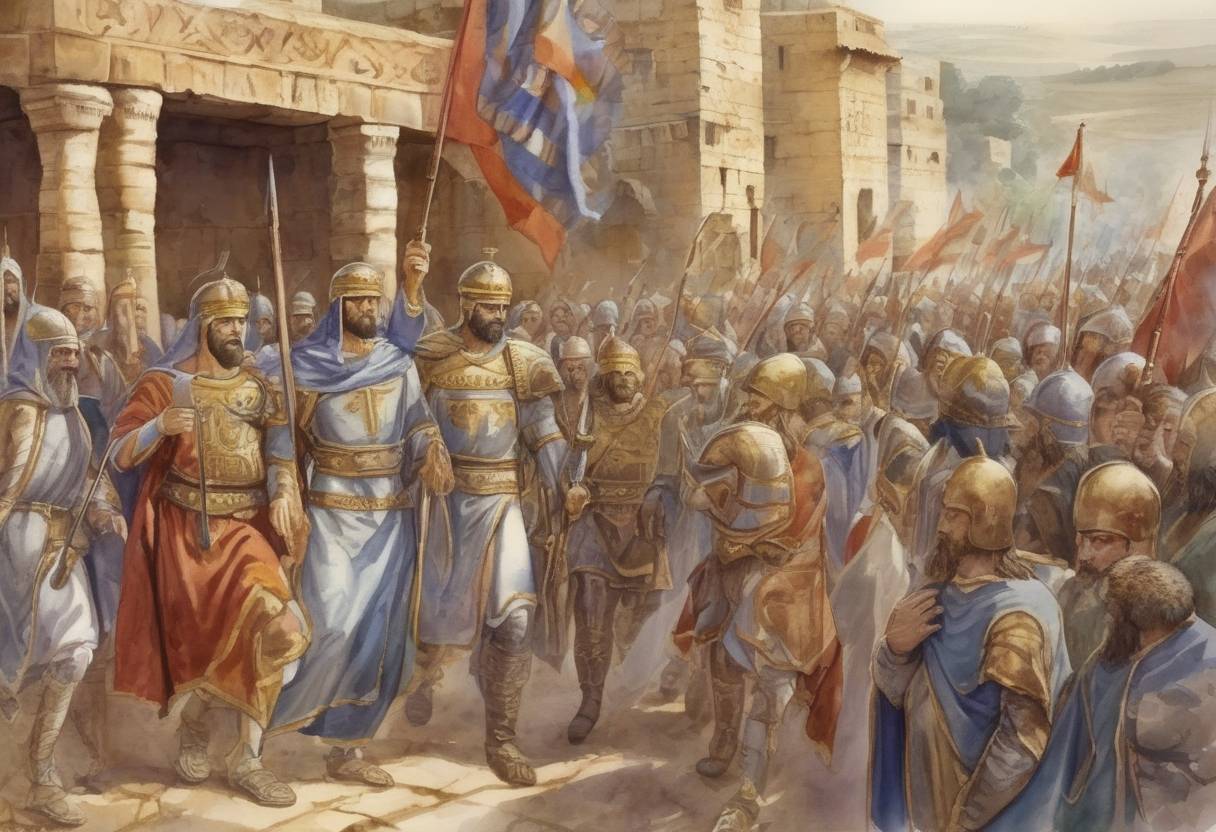
On December 10, 969, Byzantine Emperor John I Tzimiskes entered the city of Antioch, marking a pivotal moment in the Byzantine-Arab Wars. This event was part of the Byzantine Empire’s efforts to reclaim territories lost to Arab conquests in the 7th century and to reassert its influence in the region.
Byzantine-Arab Wars: These conflicts were a series of military engagements between the Byzantine Empire and various Arab caliphates, primarily the Umayyad and Abbasid Caliphates, spanning several centuries. The wars were characterized by territorial disputes, religious differences, and the struggle for control over key regions in the Middle East.
John I Tzimiskes: Ascending to the throne in 969 after the assassination of his predecessor, Emperor Nikephoros II Phokas, John I Tzimiskes was a capable military leader. His reign was marked by efforts to consolidate Byzantine power and expand its borders.
Strategic Importance: Antioch was a major city in the eastern Mediterranean, serving as a crucial military and trade hub. Its capture was vital for the Byzantine Empire to secure its eastern frontier and project power into the Levant.
Military Campaign: The campaign to capture Antioch was meticulously planned and executed. Tzimiskes capitalized on internal strife within the Arab territories and employed both military prowess and diplomatic strategies to achieve his objectives.
Entry into Antioch: On December 10, 969, John I Tzimiskes entered Antioch, effectively bringing the city under Byzantine control. This victory was celebrated as a significant triumph, bolstering the morale of the Byzantine forces and enhancing the emperor’s reputation as a formidable leader.
Consolidation of Power: The capture of Antioch allowed the Byzantine Empire to strengthen its hold over the region, facilitating further military campaigns and territorial expansion.
Cultural and Economic Impact: The re-incorporation of Antioch into the Byzantine Empire had lasting cultural and economic implications. It became a center for trade and cultural exchange, contributing to the empire’s prosperity.
Legacy: The successful campaign against Antioch underscored the Byzantine Empire’s resilience and strategic acumen during a period of intense military and political challenges. It also set the stage for future confrontations and negotiations with neighboring powers.
In summary, the entry of John I Tzimiskes into Antioch on December 10, 969, was a landmark event in the Byzantine-Arab Wars, symbolizing a resurgence of Byzantine influence in the region and demonstrating the empire’s enduring strength and ambition.
Source: en.wikipedia.org