Xi Jinping's Election as President of the People's Republic of China
2013 · Beijing, China
Xi Jinping was formally elected as the President of the People's Republic of China by the National People's Congress, marking the beginning of his first term.
December 26, 2012
China opened the world's longest high-speed rail route, the Beijing-Guangzhou high-speed railway, stretching over 2,298 kilometers (1,428 miles).
Beijing, China | China Railway Corporation
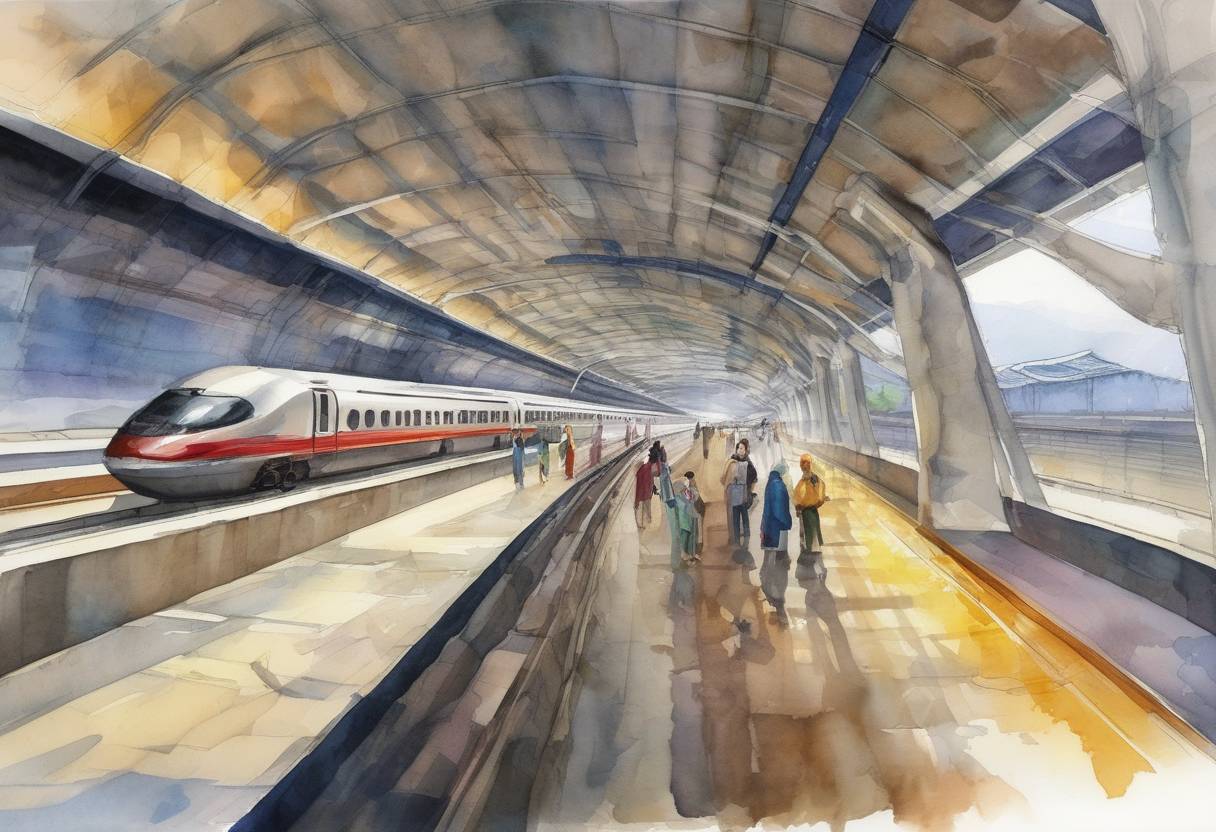
On December 26, 2012, China inaugurated the world’s longest high-speed rail route, the Beijing-Guangzhou high-speed railway. This monumental project stretches over 2,298 kilometers (1,428 miles), connecting the capital city of Beijing in the north to Guangzhou, a major port city in the south.
The development of high-speed rail in China is part of a broader strategy to modernize the country’s transportation infrastructure, reduce travel time, and promote economic integration across regions. The Beijing-Guangzhou line is a key component of China’s ambitious high-speed rail network expansion, which began in earnest in the early 2000s.
Length and Speed: The railway covers a distance of 2,298 kilometers, making it the longest high-speed rail line in the world at the time of its opening. Trains on this route can reach speeds of up to 300 kilometers per hour (186 miles per hour), significantly reducing travel time between the two cities from over 20 hours to approximately 8 hours.
Stations and Connectivity: The line includes 35 stations, connecting major cities such as Zhengzhou, Wuhan, and Changsha. This enhances connectivity between economically vibrant regions and facilitates the movement of people and goods.
Technological Advancements: The project showcases China’s advancements in high-speed rail technology, including the use of advanced engineering techniques to navigate diverse geographical terrains.
Economic Growth: The railway is expected to boost economic growth by improving access to markets, facilitating tourism, and encouraging regional development. It links the economic hubs of northern and southern China, fostering greater economic integration.
Environmental Benefits: By providing a fast and efficient alternative to air and road travel, the high-speed rail line helps reduce carbon emissions and alleviate congestion on traditional transportation routes.
Symbol of Progress: The successful completion of the Beijing-Guangzhou high-speed railway underscores China’s rapid technological and infrastructural advancements, positioning the country as a global leader in high-speed rail development.
Since its opening, the Beijing-Guangzhou high-speed railway has become a vital part of China’s transportation network, serving millions of passengers annually. It has set a precedent for future high-speed rail projects both within China and internationally, influencing global standards and practices in rail transport.
The line’s success has further propelled China’s commitment to expanding its high-speed rail network, with plans to extend connectivity to more regions and neighboring countries, thereby enhancing China’s role in global transportation infrastructure.
Source: en.wikipedia.org