Coronation of Henry VI of England
1429 · London, England
Henry VI of England was crowned King of England at Westminster Abbey.
September 3, 1189
Richard I of England, known as Richard the Lionheart, was crowned King of England at Westminster Abbey.
London, England | English Monarchy
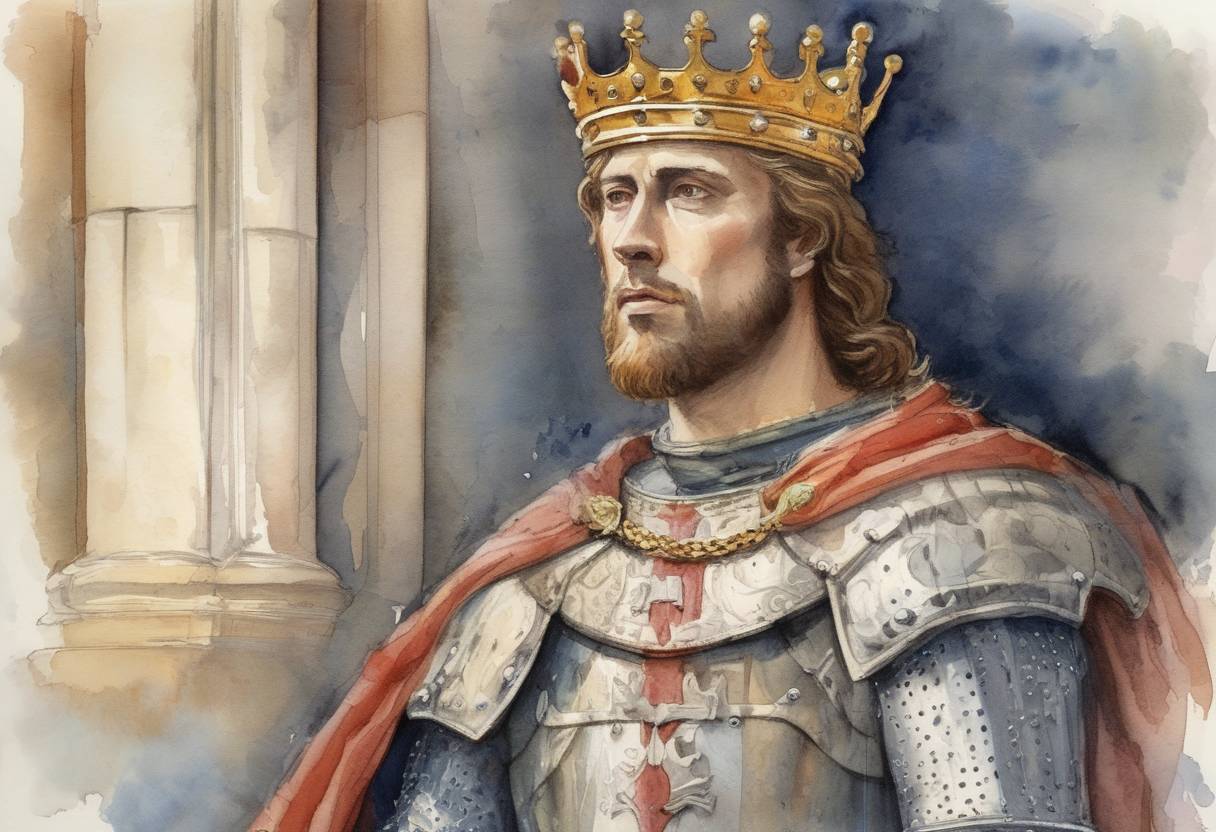
Richard I of England, famously known as Richard the Lionheart, was crowned King of England on September 3, 1189, at Westminster Abbey. His coronation marked the beginning of a reign that would be characterized by military campaigns and a focus on the Crusades.
Birth and Family: Richard was born on September 8, 1157, in Oxford, England, to King Henry II of England and Eleanor of Aquitaine. He was the third of five sons and was known for his military prowess from a young age.
Ascension to the Throne: Richard became the heir apparent following the death of his elder brother, Henry the Young King, in 1183. Upon the death of his father, Henry II, on July 6, 1189, Richard ascended to the throne.
Location: The coronation took place at Westminster Abbey, a traditional site for English coronations, symbolizing the continuity and legitimacy of the monarchy.
Ceremony Details: The ceremony was conducted with great pomp and splendor, attended by numerous nobles and clergy. It was a significant event, reinforcing Richard’s authority as the new king.
Controversy: The coronation was marred by anti-Semitic violence. Jewish leaders who came to present gifts were barred from the ceremony, leading to riots and attacks against Jewish communities in London and other parts of England.
Military Focus: Richard spent much of his reign abroad, particularly involved in the Third Crusade (1189–1192). His reputation as a military leader was solidified during this time, earning him the moniker “Lionheart.”
Absentee King: Richard’s focus on the Crusades and his subsequent capture and ransom by Duke Leopold V of Austria in 1192 meant he spent little time in England. His absence led to political instability and financial strain on the kingdom.
Death: Richard died on April 6, 1199, from an infected wound sustained during a siege in France. His death marked the end of a reign that, despite its brevity and his frequent absences, left a lasting impact on English and European history.
Crusader King: Richard’s participation in the Crusades exemplified the era’s religious fervor and the interconnectedness of European and Middle Eastern politics.
Cultural Legacy: Richard the Lionheart remains a legendary figure in English folklore and history, often romanticized as the epitome of chivalry and knightly valor.
Impact on England: His reign highlighted the challenges of absentee kingship and set precedents for the governance of England in the absence of its monarch.
Richard I’s coronation was a pivotal moment in English history, setting the stage for a reign that would be remembered for its military exploits and the enduring legend of the Lionheart.
Source: en.wikipedia.org